A VOICE RETURNED FROM SILENCE: THE LOST FILM THAT BROUGHT ELVIS PRESLEY BACK TO THE LIGHT
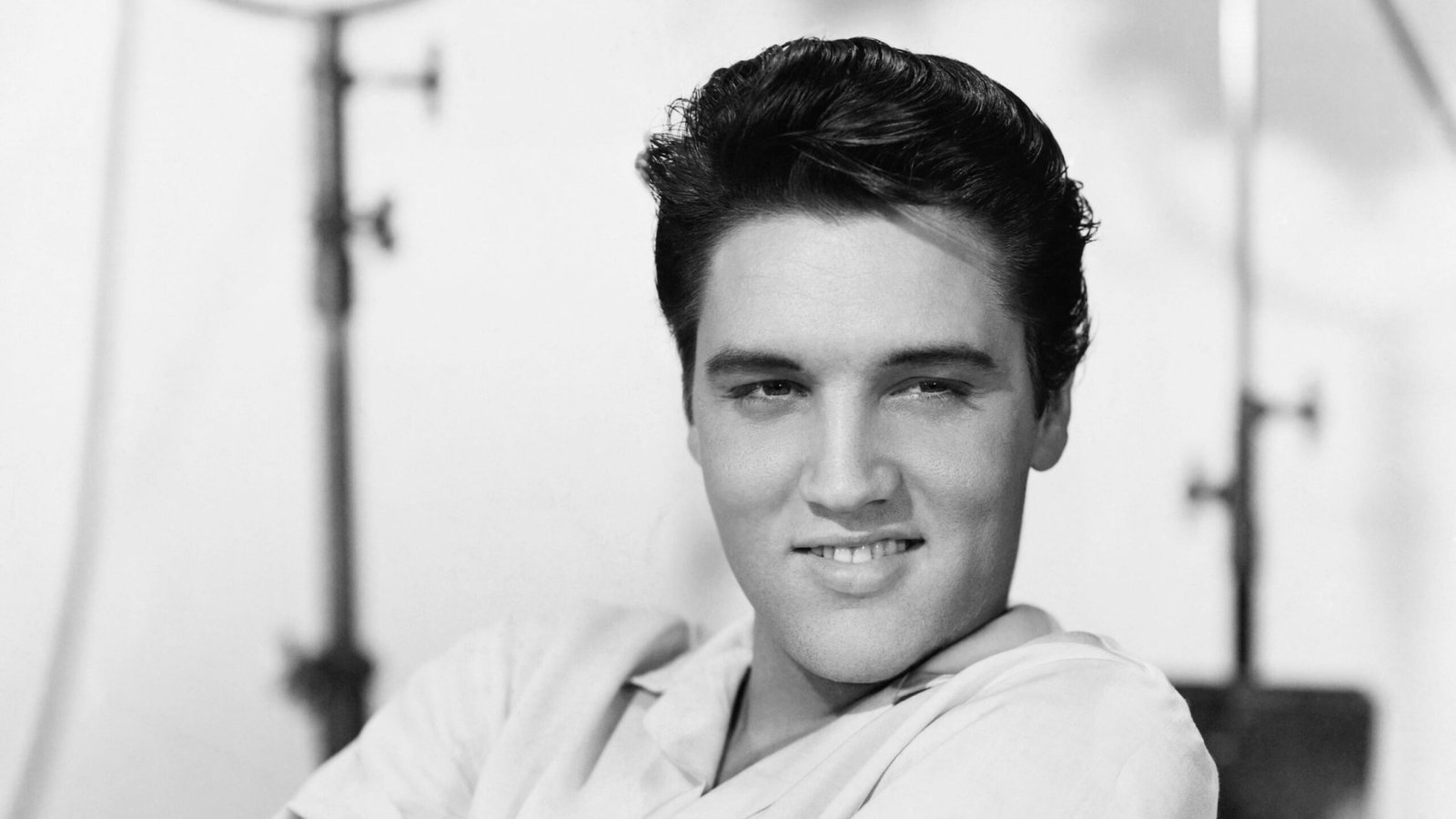
For many who grew up with his music echoing through radios and living rooms, the story of Elvis Presley has always felt complete—told, sealed, and carefully placed in history. His voice endured, his image endured, but the man himself seemed forever fixed in memory. That sense of closure has now been gently, almost reverently, disrupted. A remarkable discovery of long-forgotten film from the 1970s has reopened a chapter few believed could ever be revisited, allowing the world to see Elvis not as legend, but as a living presence once more.
After decades hidden from view, 68 reels of unseen footage were uncovered during an extensive archival search. These reels, thought to have been lost to time, capture Elvis during one of the most complex periods of his life. This is not the polished performer framed by stage lights and screaming crowds. Instead, the film reveals moments between performances—quiet reflections, unguarded expressions, and the weight carried by a man who bore the expectations of an entire generation.
The restoration of this material was approached with unusual restraint and respect. Rather than reshaping the footage to suit modern tastes, the goal was preservation. The grain of the film remains intact, the pauses remain uncut, and the silences speak as clearly as any song. What emerges is not a spectacle, but an encounter—an honest meeting with the human being behind the crown.
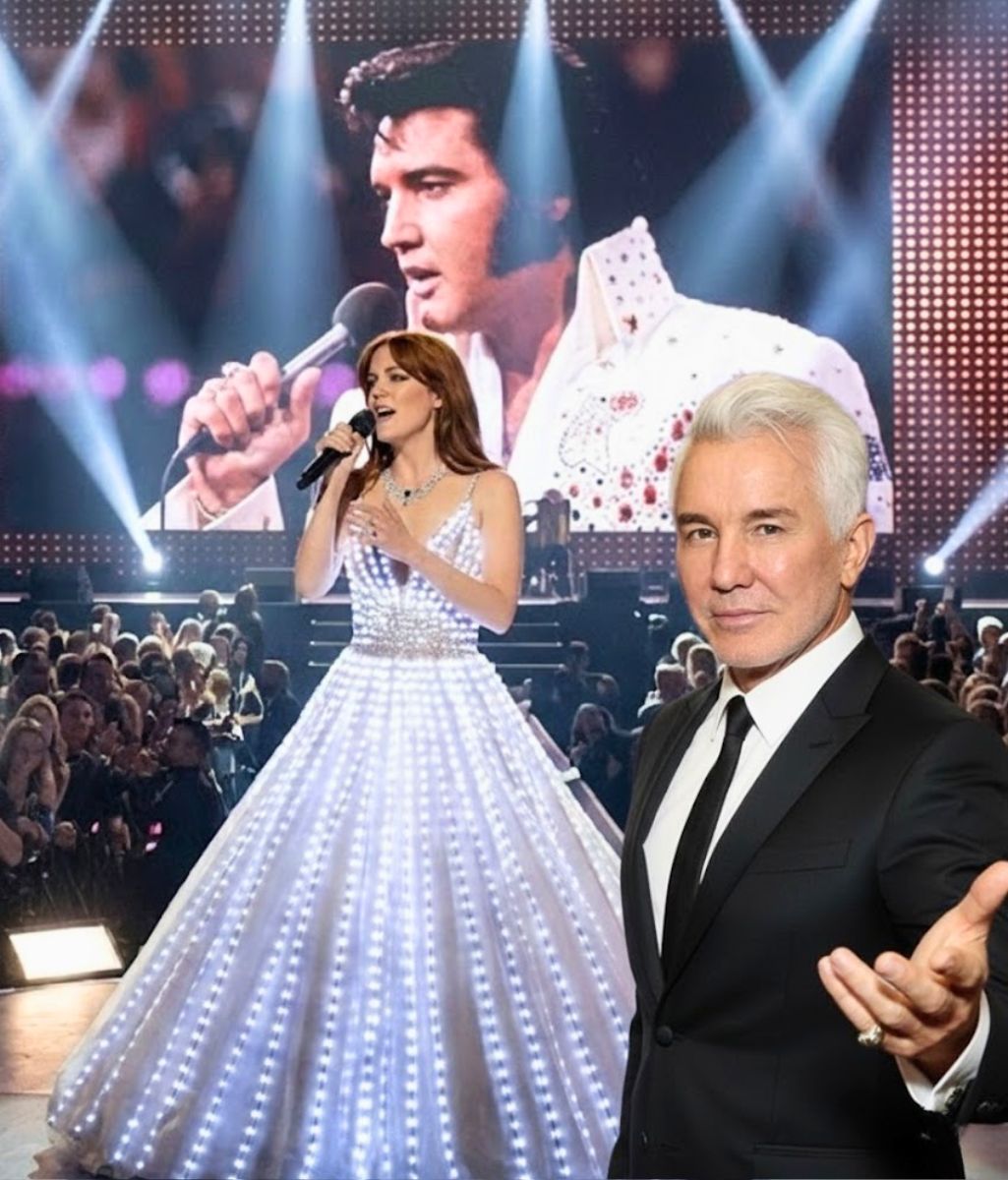
The first screening of this rediscovered footage did not take place before critics or cameras. It happened privately, in Los Angeles, among a small circle invited to witness history returning quietly to life. Among those present was Riley Keough, Elvis’s granddaughter. For her, the experience was not about cultural legacy or public memory. It was personal, intimate, and deeply moving.
As the film played, she watched her grandfather walk, speak, and simply exist in ways she had never seen before. Not as a monument, not as a symbol, but as a man navigating his own complicated reality. Those present described the room as hushed, heavy with emotion, as if time itself had slowed to allow something rare to unfold. In that moment, the distance between generations seemed to fade, replaced by a connection history had long denied.
What makes this discovery so powerful is not only what the footage shows, but what it avoids. There is no attempt to rewrite the past or soften its edges. The film does not hide fatigue, vulnerability, or the quiet cost of lifelong adoration. It allows viewers to witness Elvis as he was—brilliant, burdened, and unmistakably human.
For audiences who lived through the height of his fame, the footage feels like reopening an old photograph album, only to find the images moving and breathing. For younger generations, it offers a chance to understand why his presence mattered so deeply, and why his absence left such a lasting ache.
For Riley Keough, the experience carried an added weight. It offered something rare: a form of introduction across time. In watching the footage, she was not simply observing history. She was encountering family. The discovery restored a connection that had existed only in stories and fragments, transforming legacy into lived emotion.
As plans are quietly made for a broader release, those closest to the project emphasize that its true value lies beyond headlines or anticipation. This is not about reviving a myth. It is about honoring truth—allowing a voice once thought silenced to be heard again, not through illusion, but through authenticity.
Elvis Presley may belong to history, but history has now given something back. Through these forgotten reels, he steps once more into the light—not as an icon resurrected, but as a man remembered. And for one unforgettable evening in Los Angeles, the past felt close enough to reach out and touch.
Video