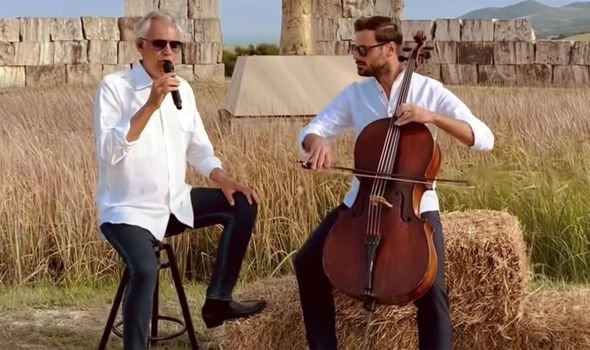
There are Christmas performances that sparkle, dazzle, and rush toward applause — and then there is this one. HAUSER steps into the frame not as a star eager to impress, but as someone carrying a quiet story inside him. The lights are soft, the camera moves slowly, and the cello rests against his chest like something deeply familiar, almost sacred. At first, it feels like we are simply watching another holiday performance. Then, slowly, the atmosphere changes.

HAUSER does not attack the music. He listens to it. He lets each note arrive as if it were a memory — fragile, hesitant, half-whispered. Instead of filling every second with sound, he leaves space. The silence becomes part of the composition, and in that silence, our own feelings begin to rise. It is no longer just a piece of music; it becomes a moment of reflection. The room feels smaller, the world quieter, and suddenly Christmas is not about lights and laughter, but about everything we have carried through the year.
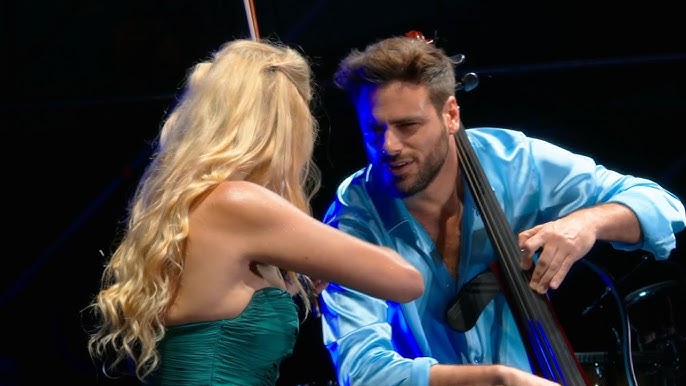
The performance unfolds like a gentle winter film, scene by scene. There is longing in the slower passages, warmth in the soft crescendos, and an unspoken confession woven somewhere in between. We are never told what it is. HAUSER doesn’t explain, doesn’t dramatize, and doesn’t try to impress. Instead, he invites us to stay with the music, to breathe with it, and to find our own stories inside the spaces he leaves open.
By the end, we understand something important: this performance was not designed to be loud or spectacular. It was meant to sit beside us the way a friend sits beside you on a quiet night — saying very little, yet meaning everything. In its restraint, it becomes powerful; in its simplicity, it becomes unforgettable. And perhaps that is the real spirit of Christmas — not the celebration itself, but the gentle, honest moments where we finally slow down enough to feel.
A