DAVID BOWIE & ROBERT SMITH TEAR INTO “QUICKSAND” IN RARE LIVE DUET THAT STILL SENDS SHIVERS THROUGH FANS

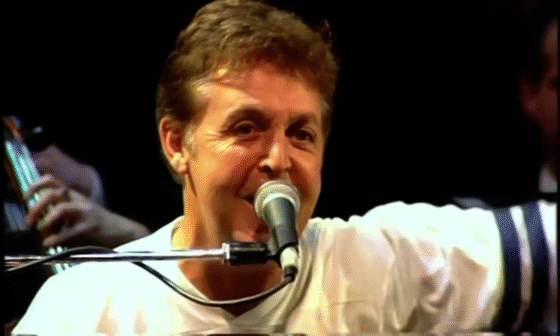
When David Bowie stepped onto the stage at Madison Square Garden in January 1997, the air already crackled with anticipation — but nothing prepared the crowd for the moment Robert Smith of The Cure joined him for a live performance of “Quicksand.” What seemed like a straightforward duet quickly turned into an unforgettable collision of icons, a meeting of musical minds that felt both intimate and monumental in equal measure.
From the first reverberating chord, Bowie’s voice and Smith’s signature baritone wove together like two threads of the same tapestry, lifting Bowie’s haunting folk-rock classic into new emotional territory. There was a chemistry there that went beyond setlists and rehearsals — it was a conversation between two artists who had spent their lives bending genres and defying expectation. Together, they reimagined “Quicksand” not just as a song, but as a statement of shared vulnerability and creative communion.

The performance was electric but subtle — Smith’s presence never overshadowed Bowie’s, and Bowie never upstaged the delicate intensity Smith brought to the stage. Instead, the two found an effortless equilibrium, each respecting the other’s space while bringing out the best in the classic track. For fans lucky enough to witness it live, the moment felt like a once-in-a-lifetime collision of legends.
But even for those who experienced the duet through video later, the impact was profound. Here were two of rock’s most enigmatic figures, stripped of pretense and playing not for spectacle but for sheer musical truth. The audience’s roar was more than applause — it was collective recognition that they had witnessed something rare, something that transcended the ordinary boundaries of a concert performance.
What made the night remarkable wasn’t just the star power onstage but the seamless way Bowie and Smith tuned into each other’s energy, making a song originally rooted in introspection feel like a shared revelation. Halfway through, it wasn’t just about harmony — it was about connection, trust and a mutual understanding that music can articulate what words often cannot.
For Bowie, whose career was a masterclass in reinvention, this duet offered yet another chapter in his continual evolution. For Smith, a figure synonymous with post-punk melancholy and emotional depth, it showcased an adaptability that reminded fans why he remains so influential. Together, they turned “Quicksand” into more than a performance — it became a moment that captured the enduring power of collaboration.
Years later, those who cherish that night still speak of it in reverent tones, recalling how a song written decades earlier could be reborn with fresh resonance through the voices of two giants. And while neither artist could have predicted how that performance would ripple through time, the memory of it endures as a beautiful testament to artistic risk, mutual respect and the magic that happens when legends meet on a stage.