How One Bass Solo Quietly Changed Music Forever — Inside “A Portrait of Tracy,” the Moment Jaco Pastorius Made the Bass Guitar Learn How to Sing
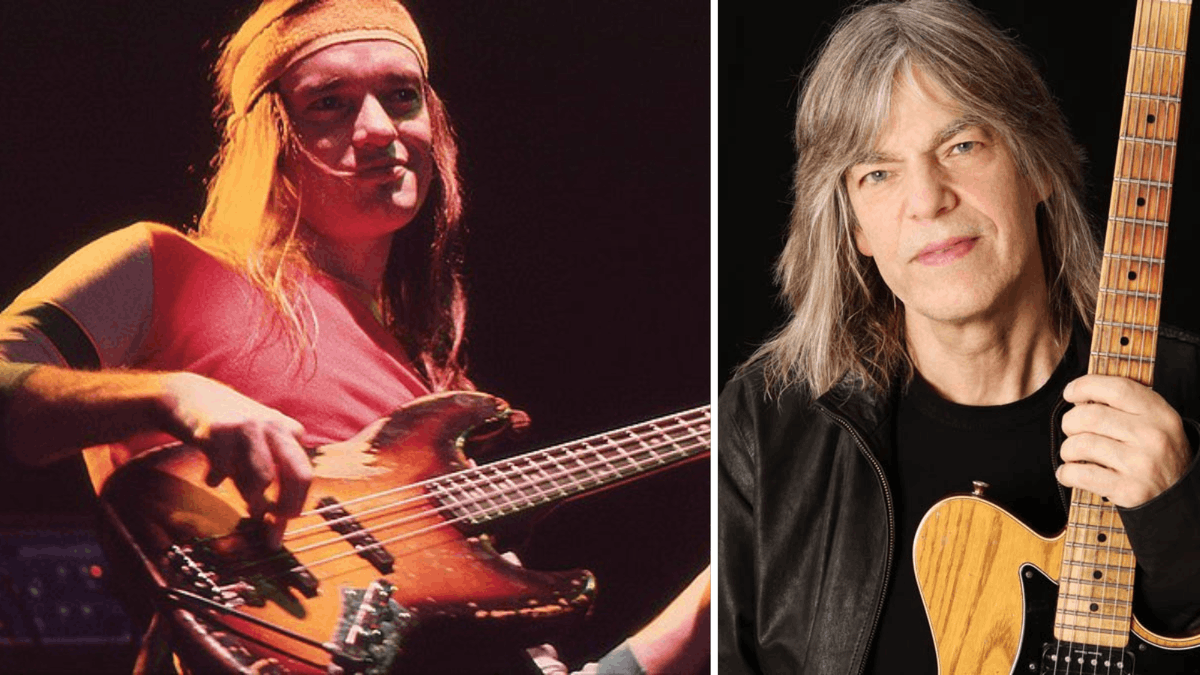
There are songs that announce themselves loudly — and then there are moments that arrive almost unnoticed, only to reshape everything that follows. “A Portrait of Tracy” belongs firmly to the second kind. When Jaco Pastorius first played it, there was no band behind him, no dramatic build, no obvious virtuoso display. Just a man, a fretless bass, and a sound so delicate it felt like it might disappear if you breathed too hard.
What listeners heard didn’t sound like a bass at all.
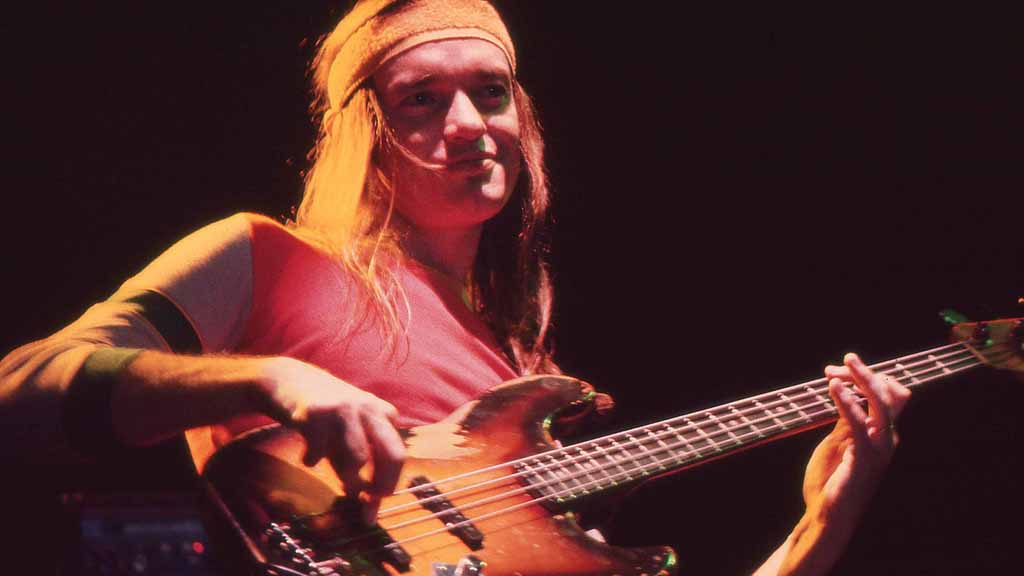
Bell-like tones floated into the air, shimmering and fragile, as if someone had discovered a hidden instrument inside the strings. Pastorius wasn’t laying down rhythm or supporting harmony — he was painting, using harmonics to create melody, atmosphere, and emotion where most players only saw limitation. The bass stopped being the background. It stepped forward and spoke.
The piece was written as a deeply personal tribute, and you can feel that intimacy in every note. There’s no rush, no excess. Each harmonic blooms, lingers, and fades, leaving space behind it. It feels less like a performance and more like a quiet confession — the kind meant for one person, somehow overheard by the world.
What made “A Portrait of Tracy” so revolutionary wasn’t speed or volume, but restraint. Jaco trusted silence. He trusted tone. He trusted that the listener would lean in. In doing so, he shattered the unspoken rule that the bass guitar existed only to support others. Here, it carried the entire emotional weight alone.
For musicians hearing it for the first time, the effect was seismic. Suddenly, the bass wasn’t just capable of melody — it could be poetic. Students still spend years trying to master the harmonics in this piece, but technique alone isn’t enough. What they chase is the feeling: that balance of precision and vulnerability that Pastorius made sound effortless.
Decades later, “A Portrait of Tracy” still feels suspended in time. It hasn’t aged because it was never tied to trend or fashion. It exists in its own quiet space, untouched, waiting for each new listener to discover it fresh — just as astonishing, just as disarming.
Jaco Pastorius didn’t raise his voice to make history with this piece.
He whispered.
And the music world leaned in — and never quite heard the bass the same way again.
VIDEO BELOW