Still the Wild Card on Stage: How Stewart Copeland Turned “Can’t Stand Losing You” Into a Living, Breathing Story
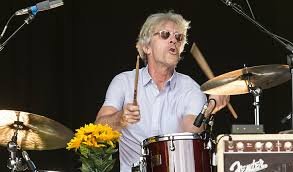
It happened onstage, years after The Police were supposed to feel like history, during a performance of “Can’t Stand Losing You” that reminded everyone why Stewart Copeland has never fit neatly into the role of “drummer.” The lights were hot, the crowd already on its feet, but something shifted the moment Copeland settled behind his kit. This wasn’t nostalgia. This was presence.
From the first seconds, it was clear Copeland wasn’t interested in replaying the song the way people remembered it. His hi-hat crackled with nervous energy, the snare snapped with impatience, and the rhythm leaned just far enough off-center to keep everyone alert. The groove didn’t sit still. It paced. And suddenly, a song fans thought they knew by heart felt unpredictable again.
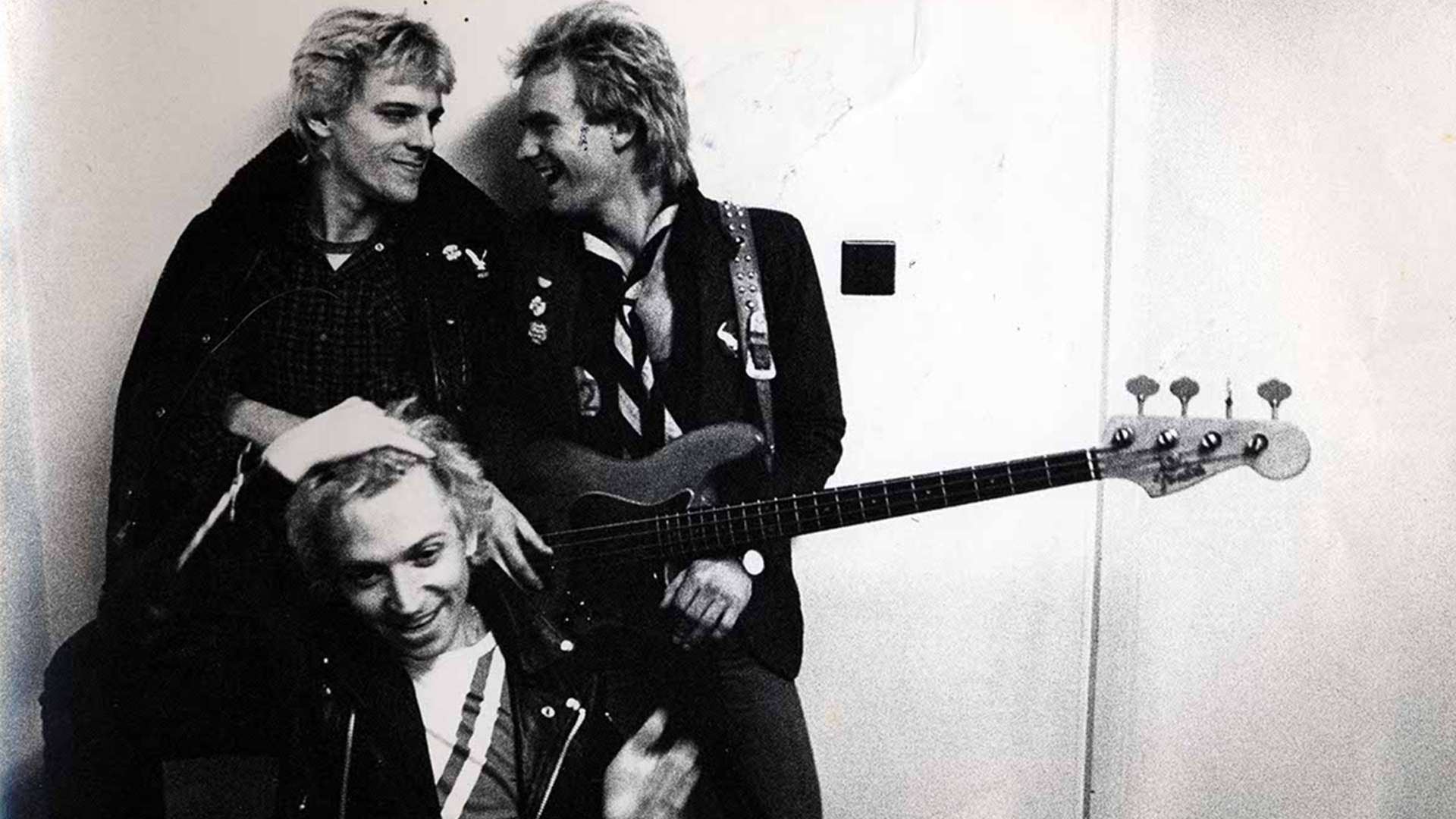
That’s always been Copeland’s gift. With The Police, he never played beneath the song — he played against it, creating tension that made the music feel alive. On “Can’t Stand Losing You,” that tension is everything. The reggae pulse hints at calm, but Copeland refuses to let it relax. His fills arrive early. His accents land where they “shouldn’t.” It’s controlled chaos, executed by someone who understands timing so well that he can afford to bend it.
You could see it onstage. Sting glanced back, that familiar half-smile crossing his face — the look of someone who knows the song is about to be pushed somewhere new, whether he likes it or not. That exchange said more than words ever could. Copeland was never just the drummer. He was the friction. The spark. The reason the music always felt like it might tip over — and never did.

What makes the moment resonate now is age. Or rather, what age has not done to him. Copeland hasn’t softened. He’s refined. Where younger drummers might fill every gap, he now lets silence work for him. He leaves space, waits, then strikes with absolute precision. The result isn’t louder — it’s sharper. Like a fine wine, his playing has gained depth, not polish.
Fans watching that night weren’t cheering for flash. They were reacting to instinct. To decades of experience distilled into every hit. Copeland wasn’t proving he could still play. He was proving he still listens — to the band, to the room, to the moment.
That’s why people still call him a beast. Not because of brute force, but because of fearlessness. Stewart Copeland doesn’t coast on legacy. He challenges it. Every time he sits behind the drums, he treats the song like a living thing — something that can still surprise you.
And as “Can’t Stand Losing You” came to a close, it was clear the audience wasn’t just applauding a performance. They were responding to a reminder: some musicians don’t age quietly. They evolve in public — and dare you to keep up.