
THE LAST BEATLE STANDING — PAUL McCARTNEY’S HEARTBREAKING LIFE OF LOSS, LOVE, AND LEGACY

THE BEGINNING: WHEN THE SONG ENDS BUT THE SILENCE STAYS
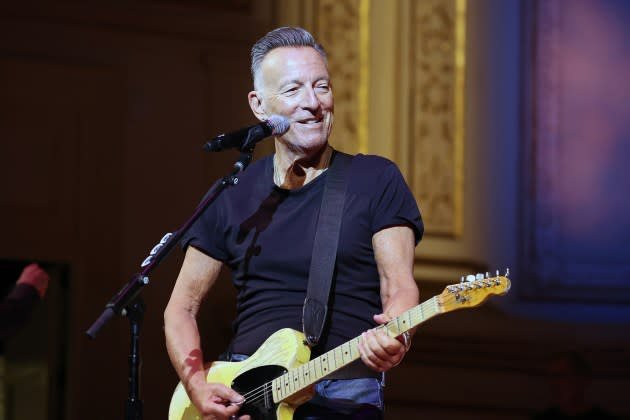
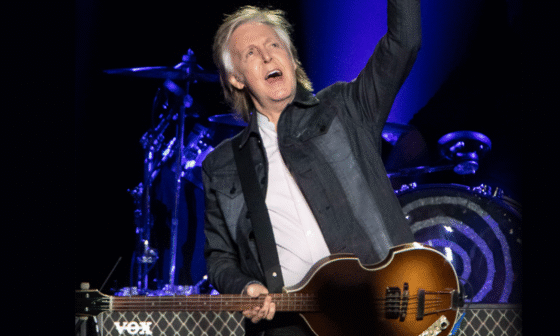
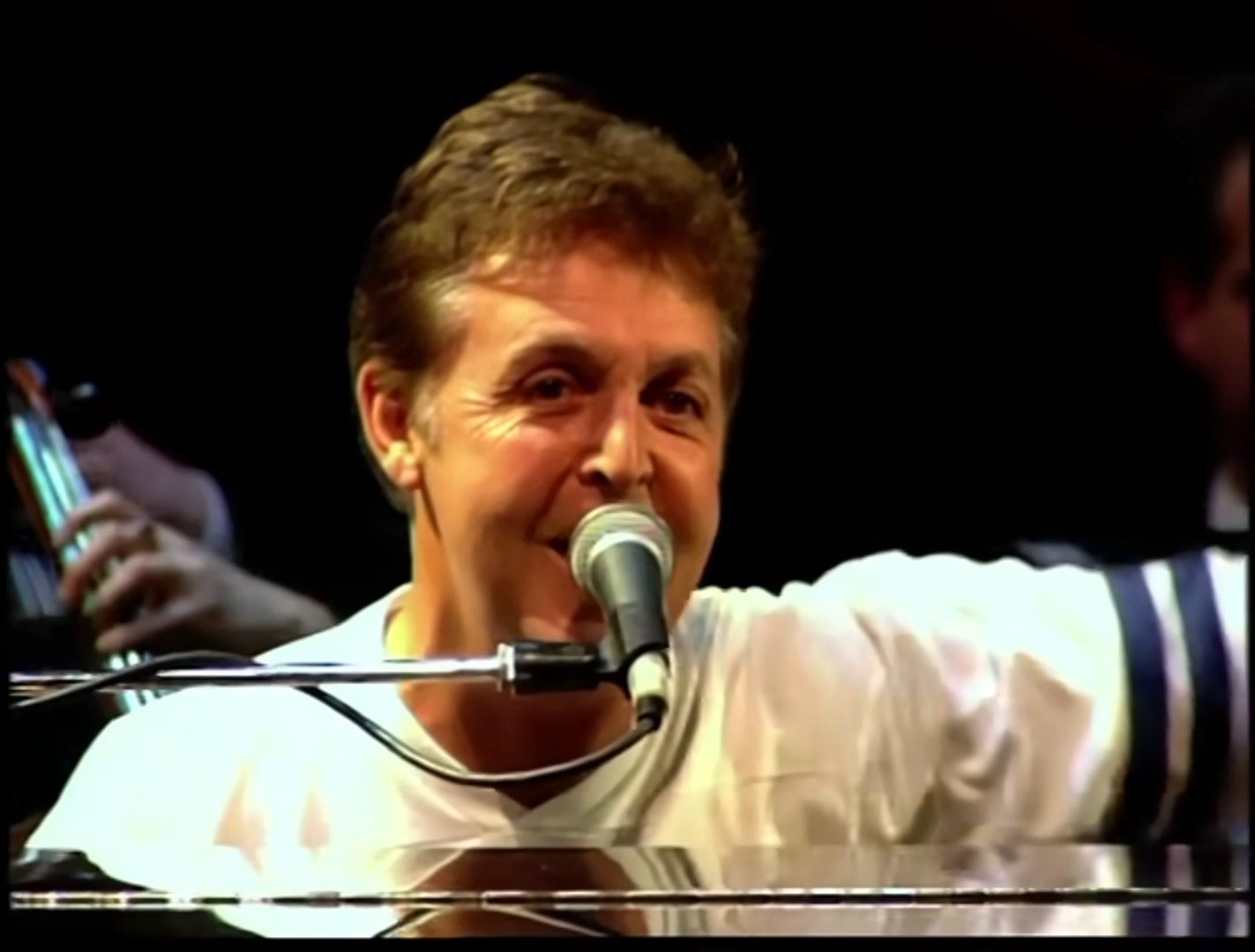
There’s a particular kind of loneliness that comes only after the applause has faded — the silence that follows a life lived in front of the world. For Paul McCartney, that silence has become a companion as familiar as any melody he ever wrote. In photographs, he still looks like the man who once turned pop music into something bright, tender, and eternal. But behind the smile is a truth that has sharpened with time: he has outlived the people who defined his youth, his heartbreaks, and his greatest chapters. John Lennon is gone. George Harrison is gone. And Linda McCartney — his anchor, his home, the love that steadied him through fame — is gone too. Paul is not simply a legend still touring. He is the last Beatle standing, carrying an era’s emotional weight long after the world decided it was only history.
THE CONTEXT: THE MYTH THE WORLD LOVES — AND THE MAN WHO HAD TO LIVE IT
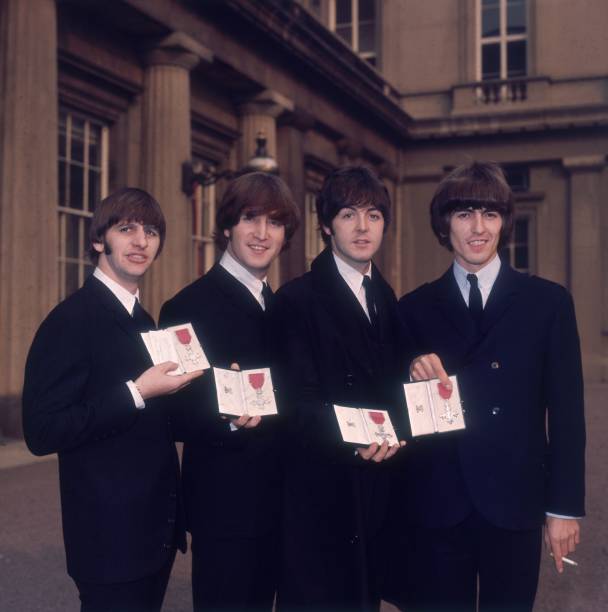
The Beatles are not just a band; they are a cultural language. Their songs live inside weddings, funerals, road trips, breakups, and late-night memories. And Paul, perhaps more than anyone, has had to live with the paradox of being both human and myth. The public prefers its icons frozen at their most luminous: youthful faces, sharp suits, the clean optimism of a world that still believed in miracles. But time refuses to cooperate with nostalgia. Paul has spent decades being asked to represent a past that everyone wants to revisit — while privately enduring the present.
His story is often told in triumphs: the songwriting genius, the stadium tours, the endless reinvention. Yet there’s another narrative running beneath it — quieter, less marketable, more human. It’s the story of love and loss repeating in different forms, and of a man choosing, again and again, to keep making music not because it’s easy, but because it’s the only language vast enough to hold what he has survived.
THE MOMENT: LOSSES THAT DIDN’T JUST HURT — THEY REWROTE HIM
If John Lennon’s death felt like a cosmic rupture, it’s because it was. One moment the world still believed the Beatles’ story had more pages. The next, a final chapter was forced into existence. Paul didn’t just lose a bandmate; he lost a mirror — someone who challenged him, competed with him, provoked him into greatness. Their relationship was a storm of love, ego, brilliance, and creative tension. And storms, even when they destroy you, shape the landscape forever.
Then came George’s passing — a loss that carried a different kind of ache: the slow realization that time was closing its grip around a generation. George wasn’t just the “quiet Beatle.” He was the spiritual counterweight, the man who searched for meaning beyond fame. When he left, something unspoken in Paul’s world shifted again — another door closing, another voice gone.
But the loss that hit differently, the one that did not arrive with headlines or myth but with devastating intimacy, was Linda. She was not just Paul’s wife. She was his normal life. She was laughter at the breakfast table, the unglamorous truth behind the famous name, the partner who didn’t need the world’s applause to recognize him. When she died, it wasn’t only grief. It was the collapse of the private universe that had protected him from becoming a museum version of himself.
Yet even after those losses, Paul did something that seems almost impossible: he continued. He kept writing. Kept showing up. Kept singing songs that were born in a different century but still felt like they belonged to whoever needed them today.
THE REFLECTION: WHY THE LAST BEATLE STANDING IS NOT A TITLE — IT’S A WEIGHT
There is a reason “the last Beatle standing” lands like a heavy sentence. It sounds heroic, but it isn’t. It’s a kind of emotional inheritance. Paul isn’t only carrying his own life; he’s carrying everyone’s memories of the Beatles — the collective dream that four young men once made the world feel lighter.
And here’s the twist people rarely acknowledge: Paul has had to mourn in public. Every anniversary, every documentary, every tribute, every replayed clip pulls old wounds into daylight. Even when he’s not thinking about loss, the world reminds him. He is asked to return to the beginning, to translate the past for new generations, to smile through questions that reopen histories most people are allowed to grieve privately.
But perhaps this is why his music still matters: because he understands, with painful clarity, what it means to lose. He knows love is fragile. He knows time is merciless. And yet, he insists on melody. He insists on hope. His songs don’t pretend sadness doesn’t exist — they simply refuse to let sadness have the final word.
That’s what makes his endurance feel almost spiritual. It’s not just longevity. It’s resilience with an open heart. It’s the act of continuing to give beauty to the world even after beauty has been taken from you.

THE ECHO: THE LEGACY ISN’T JUST WHAT HE MADE — IT’S WHAT HE STILL GIVES
Today, Paul McCartney can walk onto a stage and watch tens of thousands sing words he wrote decades ago as if they were written for this exact moment. That isn’t normal fame. That is a living legacy — and it comes with a cost. Because when you become the soundtrack to people’s lives, they begin to believe you exist outside human limits.
But Paul is human. He has known grief. He has known endings. And still, he returns to the microphone with a kind of quiet bravery. Not loud. Not performative. Just steady — the way someone walks forward when stopping would mean being swallowed by the silence.
Maybe that is the real reason his story feels like a gentle ballad: it rises from sorrow, but it doesn’t drown in it. It turns pain into harmony. It turns absence into art. And as the final Beatle still here, Paul doesn’t simply represent the past.
He reminds us of something deeper — that love outlives loss, and that music can carry what words cannot.
Because some legends don’t just endure.
They carry the heart of an era alone — and somehow still find a way to sing.