Inside the Performance That Had Fans Calling It One of the Most Thrilling Moments of Rock & Roll Hall of Fame 2025

Every now and then, a performance comes along that rewires a song in your memory — a version so compelling that it feels as if you’re hearing it for the very first time. That’s exactly what happened when Twenty One Pilots took the stage at the Rock & Roll Hall of Fame 2025 Induction Ceremony with their cover of The White Stripes’ iconic “Seven Nation Army.”
The original track is nearly impossible to separate from its instantly recognizable riff — the anthem riff that’s become a stadium staple, a chant at sporting events, and a defining sound of the early 2000s. But on this night in Cleveland, Twenty One Pilots didn’t just play the song. They reinterpreted it.
From the moment it began, the performance felt electric — not because it mimicked the original, but because it expanded it. What could have been a straightforward tribute became a creative fusion that honored the past while shaping the present.
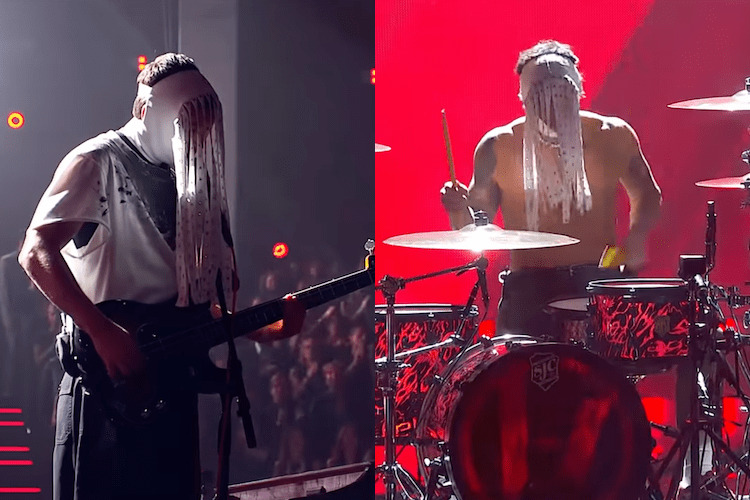
Twenty One Pilots opened with a rhythmic tension that felt both familiar and brand-new. The guitar line — that riff known around the world — came through first not as pure distortion, but as a sonic echo that teased what was coming next. Then came the beat, layered with an unpredictable energy that felt almost like a heartbeat driving the song forward.
Lead vocalist Tyler Joseph didn’t try to replicate Jack White’s gritty delivery. Instead, he approached the lyrics with a fresh emotional urgency — a blend of reverence and reinvention that transformed the narrative without losing its edge. The result was haunting, powerful, and surprisingly intimate for such a massive stage.
Behind him, Josh Dun’s drumming fused precision with explosion — each strike pushing the song somewhere new, somewhere alive. There was an electricity in the room, the kind that feels like collective breath held and released all at once. The audience wasn’t just listening. They were present.
For fans in attendance and millions watching online, reactions were instantaneous. Social media lit up with clips, gifs, and comments like “They just made it feel brand new,” and “That’s a cover that feels like a revelation.” Many longtime Twenty One Pilots supporters admitted they weren’t prepared for just how powerful the band’s take on the song would feel.
Critics were equally taken. Reviews noted that the performance managed the rare feat of paying homage without imitation — keeping the soul of Seven Nation Army while giving it a new heartbeat. The song felt like a bridge between eras: the White Stripes’ raw garage rock energy meeting Twenty One Pilots’ genre-blurring modernity.
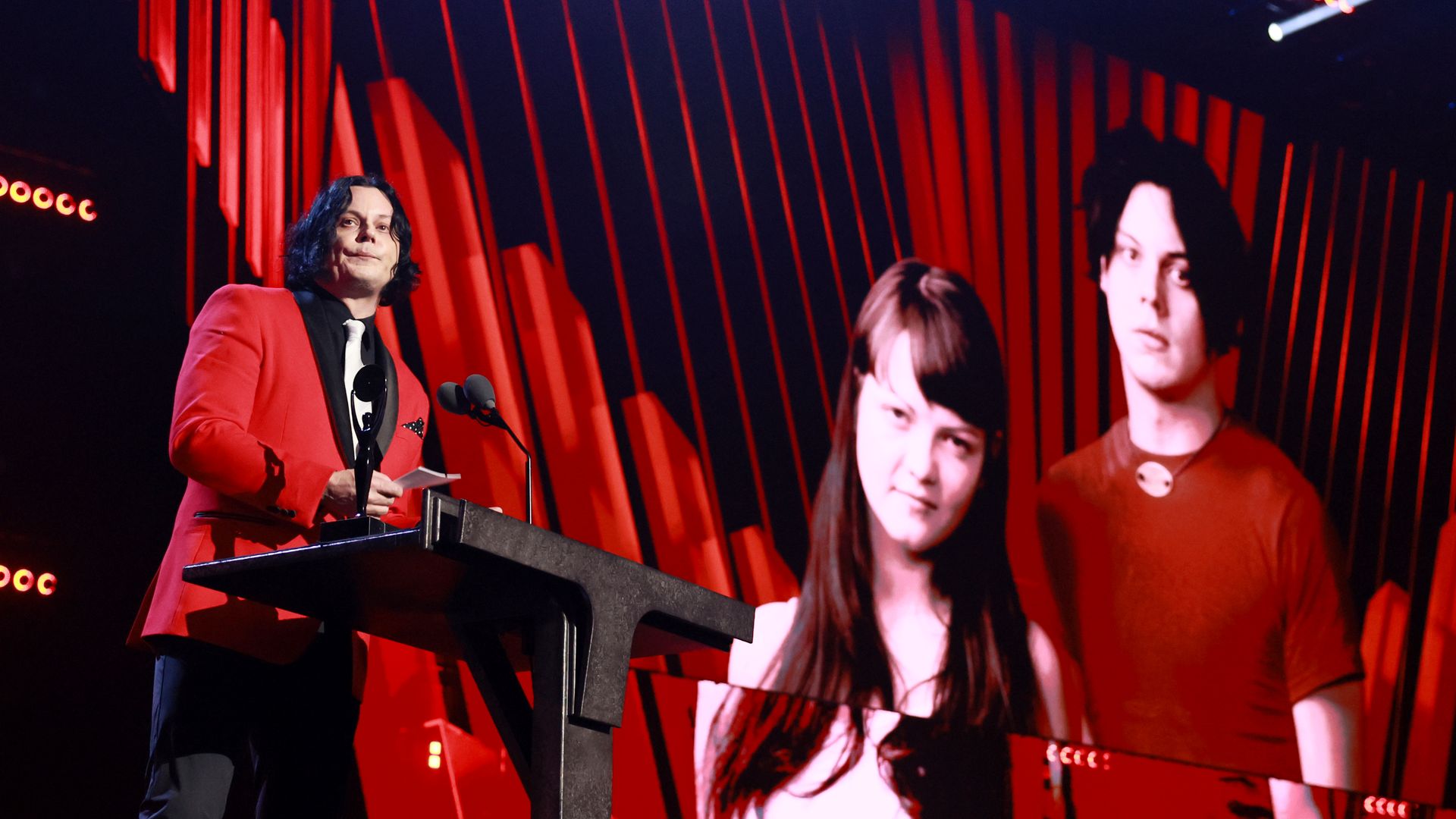
But what made the moment truly resonate wasn’t simply the technical execution. It was the symbolic gesture behind it. The Rock & Roll Hall of Fame induction is meant to honor legacy — but this performance did something rarer. It extended it, proving that iconic songs aren’t museum pieces to be revered from a distance. They’re living, evolving works of art, ready to be reshaped by voices that still have something fresh to say.
By the time the performance reached its close, the room was on its feet. Not out of obligation, but out of recognition — that they had just witnessed something unforgettable. The applause didn’t simply celebrate what had been played. It celebrated what had been felt.

Because Twenty One Pilots didn’t just cover Seven Nation Army.
They re-imagined it.
They reminded audiences that great songs don’t stay static. They bend. They transform. They find new life in new hands.
And on that Rock Hall stage, a song that once defined a generation found a new voice — one that feels ready to carry it into the next.