
Introduction
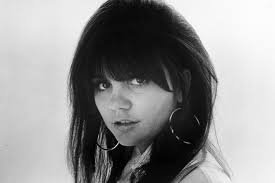
In 1976, at the height of her fame, Linda Ronstadt stepped onto the stage and delivered one of the most emotionally unsettling performances of her career: “Willin’.” Originally written by Lowell George of Little Feat, the song tells the raw story of a road-worn soul surviving on risk, loneliness, and reckless freedom. But in Ronstadt’s hands, it became something darker, more intimate—and far more dangerous.
From the first line, the atmosphere feels stripped bare. No flashy theatrics. No grand gestures. Just Ronstadt, standing under stage lights, singing as if every word cost her something personal. Her voice—controlled yet fragile—doesn’t romanticize the outlaw life. Instead, it exposes the quiet exhaustion behind it. This is not a singer performing a song. This is a woman confessing in public.
What makes the 1976 live performance so shocking is the emotional contradiction. Linda Ronstadt was then one of the biggest stars in America—album covers, sold-out tours, radio dominance. Yet here she is, singing about drugs, endless highways, and spiritual emptiness with unsettling sincerity. When she sings “And I’ve been from Tucson to Tucumcari,” her voice carries the weight of someone who has truly been everywhere—and found nothing permanent waiting at the end.
There’s no smile. No attempt to soften the lyrics. Her eyes often seem distant, as if she’s reliving memories rather than entertaining an audience. Each pause between lines feels intentional, almost heavy. The band follows her quietly, never overpowering her voice, as if they know the moment belongs entirely to her truth.
Many fans believe this performance revealed a side of Ronstadt rarely seen. Known for her power and precision, here she allows vulnerability to take the lead. The phrasing is loose, almost conversational. At times her voice sounds dangerously close to breaking—and that’s exactly what makes it unforgettable. You don’t feel like you’re watching history. You feel like you’re intruding on something private.
In retrospect, “Willin’” in 1976 feels like a warning hidden in plain sight. It captures the emotional cost of constant motion, of fame without rest, of living fast while quietly burning out. Ronstadt doesn’t judge the song’s narrator—she understands them. And by the final note, the audience realizes they’ve just witnessed something rare: honesty without protection.
Nearly five decades later, this performance still stuns. Not because of volume or power—but because Linda Ronstadt dared to stand still and let the truth speak for itself.
Video