A Dream in the Middle of a Breakdown: How Paul McCartney Turned His Late Mother’s Words Into “Let It Be”

In the most fragile season of The Beatles’ story, when studio time felt less like magic and more like survival, Paul McCartney walked in carrying something unexpected: not a clever chord change, not a new arrangement idea—just a sentence.
It didn’t come from a notebook.
It came from a dream.
A storm inside the studio
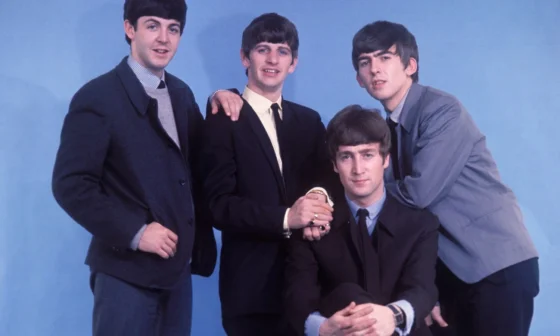
By the late 1960s, the band’s unity was cracking. Pressure, resentment, and creative friction turned the Let It Be era into one of the tensest chapters in Beatles history. Paul—often the one trying to keep the machine moving—was feeling the weight of it all.
And then, in 1968, something deeply personal resurfaced.
The dream that became a lifeline
Paul dreamed of his mother, Mary McCartney, who had died of cancer when he was only fourteen. In the dream, she didn’t deliver a speech or offer complicated advice. She simply reassured him with a calm, steady message:
“It will be all right, let it be.”
For Paul, those words weren’t just comforting—they were clarifying. In a time when everything felt loud, messy, and unfixable, the dream offered a rare kind of peace: the permission to stop fighting reality for a moment and breathe.
Turning grief into melody
He carried that message into a song. “Let It Be” became more than a track on an album—it became a bridge between private loss and public hope. You can hear the grief underneath it, but you can also hear something stronger: acceptance, resilience, the quiet wisdom of someone learning how to live with what can’t be changed.
That’s why it lands with so many people. The song never pretends pain is easy. It simply offers a hand in the dark.
A comforting anthem, born from chaos
Released in 1970, “Let It Be” quickly grew into a universal comfort song—played at funerals, sung in hard seasons, returned to whenever life gets too heavy. And knowing its origin makes it even more haunting: one of the world’s most soothing anthems was written at a moment when its creator needed soothing most.
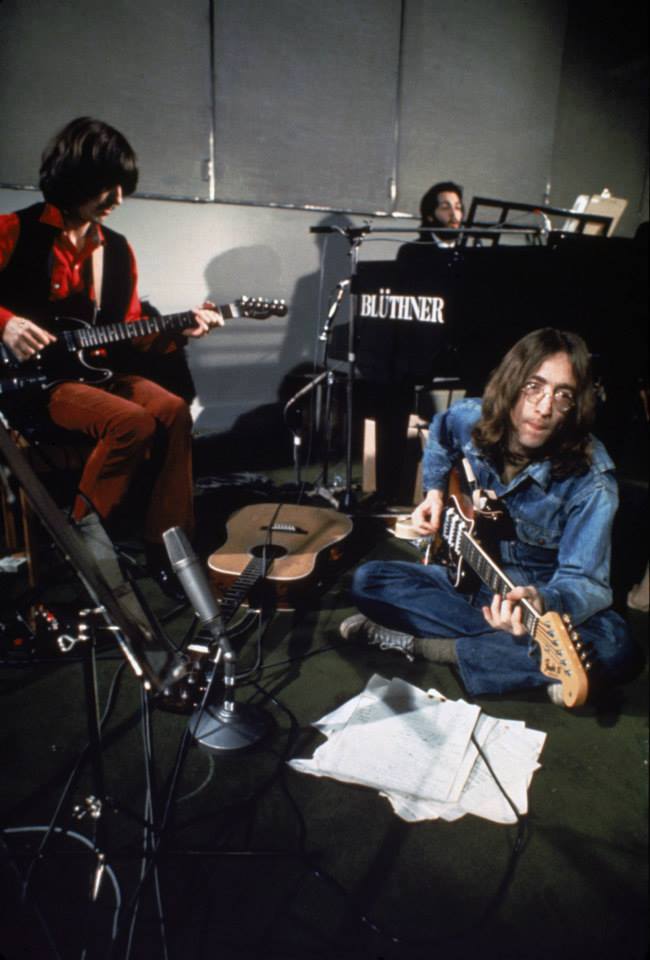
In the end, the story of “Let It Be” is the story of art doing what it does best: taking a single human moment—love, loss, and a need for reassurance—and turning it into something millions can hold onto.
A dream. A mother’s voice. A simple line.
And a song that still whispers, decades later: it will be all right.