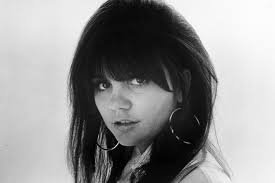
Linda Ronstadt – Desperado | Live at Capitol Theatre (1975)

Linda Ronstadt

Introduction

In 1975, at the historic Capitol Theatre, Linda Ronstadt delivered a performance that still sends chills through music lovers nearly five decades later. Her live rendition of “Desperado” was not just a cover of an Eagles classic—it was a raw emotional confession laid bare under stage lights, redefining the song’s meaning forever.

That night, Ronstadt didn’t rely on theatrics or vocal acrobatics. She stood almost still, letting silence, restraint, and heartbreak do the heavy lifting. From the first fragile line, her voice trembled with vulnerability—soft, wounded, and dangerously honest. Unlike the outlaw bravado often associated with the song, Ronstadt’s Desperado felt like a plea from someone who had lived the pain, not just observed it.

What made this performance so shocking was its emotional nakedness. In an era dominated by loud rock excess and swagger, Ronstadt chose quiet devastation. Each lyric sounded like a personal letter addressed to someone she loved—and possibly lost. As she sang “You better let somebody love you,” the words landed like a warning and a confession at the same time.

The Capitol Theatre audience sensed it instantly. You can hear it in the hush between notes, the collective breath held as if the room itself feared breaking the spell. Ronstadt’s voice, crystal-clear yet aching, wrapped the song in loneliness and longing. This wasn’t just a woman singing about a desperado—it was a woman confronting emotional isolation head-on.

Critics later said that Ronstadt owned the song that night, and it’s hard to disagree. Many fans believe her version exposed emotional layers even the original never fully reached. She transformed Desperado from a narrative ballad into a deeply personal reckoning—one that resonated especially with women who saw themselves reflected in her quiet strength and vulnerability.

Looking back, this performance now feels prophetic. It captured Linda Ronstadt at a peak moment—fearless, emotionally transparent, and unwilling to hide behind bravado. Long before conversations about emotional honesty became mainstream, she stood on that stage and showed the cost of loving too deeply—and the courage it takes to keep singing anyway.

Nearly 50 years later, Desperado (Live at Capitol Theatre, 1975) remains one of the most haunting moments of Ronstadt’s career. It is not remembered for volume or spectacle, but for something far rarer: the sound of a heart breaking in real time—and daring the world to listen.

Video


0 Shares:
Leave a Reply

Your email address will not be published. Required fields are marked *

You May Also Like

24 YEARS OF SILENCE ENDED WITH ONE AWKWARD, MAGNIFICENT HUG. Roger Waters and David Gilmour—the two biggest egos in Rock—had sworn never to share a stage again. Lawsuits, public insults, and a silence that stretched for over two decades. The world believed Pink Floyd was dead and buried. But at Live 8, the impossible became reality. All four members stood together once more. They were older now. The hair was grey, the waistlines a bit softer. But the moment the guitar solo of “Comfortably Numb” rang out, the old magic returned instantly. Yet, the moment that brought millions to tears wasn’t the music. It was when Roger grabbed the microphone and said: “I want to do this for everyone… and for Syd.” Syd Barrett—the band’s original “madcap genius”—couldn’t be there. And then, Roger waved David over. It was a group hug—clumsy, hesitant, and awkward—but it carried the weight of a lifetime of forgiveness. Backstage that night, Roger said one thing to David that made 20 years of hatred vanish as if it had never existed…

July 2, 2005. Hyde Park, London. The air was thick with the heat of summer and the buzzing energy…
michael
Read More

This Day in 1965 — The Birth of The Monkees On September 11, 1965, two small ads appeared in Daily Variety and The Hollywood Reporter, calling for “madness folk & roll musicians” to audition for a brand-new television project. The response was overwhelming — 437 hopeful young men lined up, chasing a chance at stardom. British actor-singer Davy Jones had already been chosen, and soon three more faces would join him to create something no one had seen before: The Monkees, the world’s first manufactured boy band. A year later, on September 12, 1966, the show premiered — and a pop culture phenomenon was born.

THIS DAY IN 1965 — HOW A NEWSPAPER AD GAVE BIRTH TO THE MONKEES AND A POP CULTURE PHENOMENON On September…
gewni-blake
Read More

‘THIS ONE FEELS DIFFERENT’ — BLAKE SHELTON AND GWEN STEFANI’S NEW SONG JUST DROPPED, AND THE FAN REACTION WAS IMMEDIATE AND INTENSE From the very first notes, it was clear this wasn’t meant to be background music. As Blake Shelton and Gwen Stefani blend their voices, the song unfolds slowly, deliberately — built on restrained instrumentation that leaves room for every lyric to land. The words lean into love tested by time, choosing each other again after storms, with lines that feel lived-in rather than polished. Blake’s grounded, weathered tone anchors the track, while Gwen’s voice lifts it with warmth and vulnerability, especially in the chorus where their harmonies briefly overlap and then pull apart. Fans noticed it instantly. Comments poured in within minutes, many saying the song felt “too personal” to ignore. Some praised the honesty in the lyrics, others admitted it caught them off guard emotionally — not because it was dramatic, but because it was quiet and sincere. Listeners pointed out how the performance sounded less like a duet and more like a conversation, one the couple wasn’t trying to dress up. By the final refrain, the reaction was clear: this wasn’t just a collaboration — it felt like a chapter of their story set to music, and fans felt invited into something real.

BLAKE & GWEN JUST SET THE INTERNET ON FIRE — BUT THE REAL SHOCK WAS IN THE FRONT…