The Beatles’ final ACT — when Paul McCartney tried to DRAG the band to the finish line, John Lennon ‘checked out’… and a month of TWICKENHAM tension ended in a 42-minute rooftop blast London will NEVER forget

- PAUL the “cheerleader”: With cameras rolling and deadlines looming, Paul McCartney pushed relentlessly to get songs finished — a drive that only sharpened the friction.
- JOHN the wild card: Accounts of the January 1969 sessions describe John Lennon arriving short on new material and seeming disengaged at points — leaving Paul to steer.
- GEORGE WALKS: On 10 January 1969, George Harrison quit mid-project — a jaw-dropping walkout that exposed how brittle the band had become.
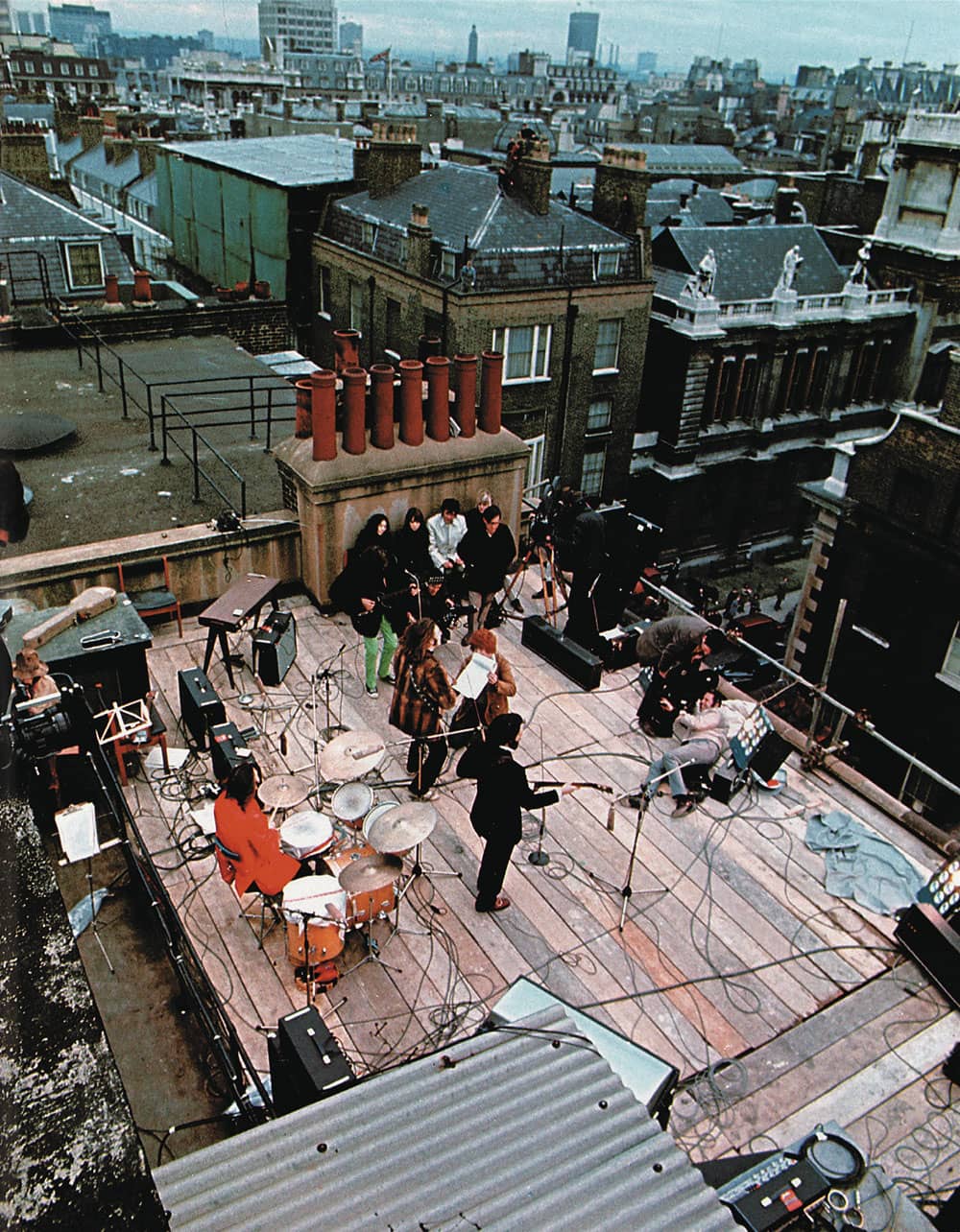
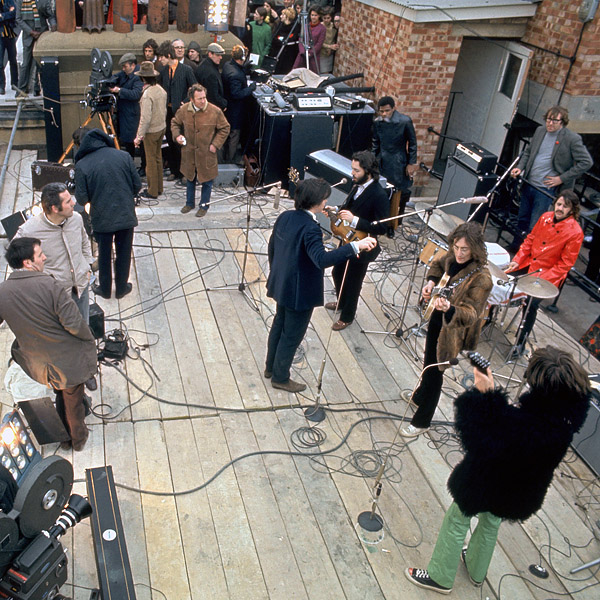
- THE ROOFTOP RESCUE: They regrouped at Apple’s Savile Row HQ and delivered a 42-minute rooftop set on 30 January 1969, stopped only after police arrived over the volume.
For years, fans argued about who broke The Beatles.
Then Peter Jackson’s The Beatles: Get Back arrived — and suddenly the breakup wasn’t a mystery at all. It was a slow, painfully human unraveling, captured in real time over 21 days of January 1969.
The shock wasn’t that they fought.
It was that they kept trying to work through it — even when they were clearly pulling in different directions.
The pressure-cooker plan that sounded brilliant… until it wasn’t

The idea was simple on paper: return “back to basics”, write new songs fast, rehearse them, film everything, then end with a triumphant live performance.
But the reality was harsh: early rehearsals at Twickenham Film Studios felt cold, early-morning, and relentlessly observed — the kind of environment where every sigh feels like an insult.
That’s where the fault line widened into a crack you could drive a tour bus through.
Paul the pusher… John the drifter
By multiple accounts of the sessions, Paul became the engine — the man trying to keep the project upright.
John, meanwhile, is described as arriving short on new material and at times seeming checked out — a dynamic even mainstream retrospectives have noted, with Paul’s “cheerleader” energy beginning to backfire.
It wasn’t simply “bossy vs lazy”. It was two instincts colliding:
- One Beatle desperate to finish.
- Another Beatle craving the old magic of letting songs happen.
And when one man pushes harder, the other often pulls away harder — not out of hatred, but out of self-defence.
Then George did what nobody expected: he quit
On 10 January 1969, George Harrison walked out.
Not metaphorically. Not dramatically. He simply left — unable to tolerate the tension any longer, as documented in day-by-day session histories.
For a band once sold as four lads with one mind, it was a public crack in the myth.
And it forced the others to face something terrifying: this might actually be the end.
The frantic “save the band” pivot
The compromise that brought George back was also a quiet admission that Twickenham had poisoned the mood.
The group agreed to relocate to Apple’s basement studio at 3 Savile Row — a condition tied directly to Harrison’s return.
The vibe lifted. The music sharpened. And crucially, the band gained something they badly needed: space.
Then Billy Preston arrived as a guest and, according to many Beatles chroniclers, acted like a social circuit-breaker — when an outsider is watching, people behave better.
The private John-and-Paul chat that said everything
One of the most dissected moments in the entire saga is a private conversation between John and Paul about the band’s future — surfaced to modern audiences through Get Back.
It’s not a screaming match. That’s what makes it worse.
It’s the sound of two men negotiating what’s left of something they can no longer fully control.
The rooftop: 42 minutes of defiance… and one last grin
And then, because history has a twisted sense of humour, the month of strain produced an ending so iconic it feels scripted.
On 30 January 1969, The Beatles climbed onto the roof of Apple Corps, 3 Savile Row, and played an unannounced lunchtime set — 42 minutes, with Billy Preston, until police arrived and told them to turn it down.
Critics later wrote that as John and Paul grinned at each other, the outside world disappeared — “there is only the four of them.”
It was messy. Loud. Brilliant.
And it was the last time they’d ever perform in public as The Beatles.
Sidebar: Why the world can’t stop rewatching Get Back
- The series runs nearly eight hours and covers 21 days of studio time — turning old rumours into visible reality.
- It became a social-media event: Twitter/X memes and reactions exploded, with outlets compiling the funniest and most revealing moments (including jokes about Paul’s intense work ethic).
- Paul himself later said watching Get Back helped him “forgive” himself — a striking admission from a man long painted as the “bossy” Beatle.
In the end, the real scandal isn’t that Paul pushed.
It’s that he pushed because he could feel the band slipping — and John drifted because he could feel it too.
Same fear. Different reactions. And a legend cracking under the weight of its own history.
VIDEO BELOW