“Desperado”inAtlanta, 1977sounds like a plea delivered with velvet authority—an invitation for the lonely to stop posing as tough and finally come in from the cold.
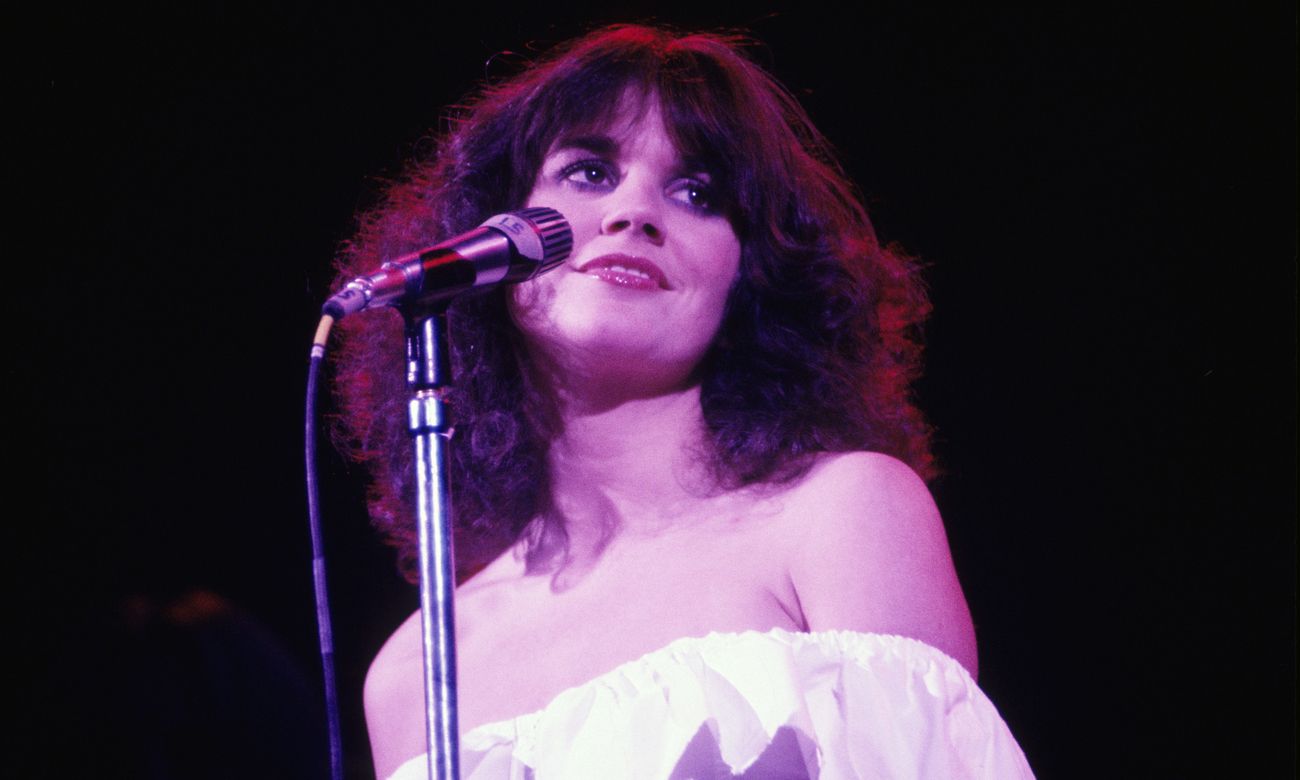
On December 1, 1977, at the Fox Theatre in Atlanta, Linda Ronstadt placed “Desperado” right where it could do the most emotional work. It was near the show’s center, as song 11 in a set that moved from swagger to tenderness in real time. In that moment, “Desperado” wasn’t a nostalgic classic yet. Instead, it was a living piece of the 1970s bloodstream, still carried by radio mood and concert hush, still capable of quieting a room without raising its voice.
The song’s origin, of course, belongs to the Eagles. “Desperado” was written by Glenn Frey and Don Henley and released on the band’s second album Desperado on April 17, 1973. Notably, it was never released as a single. This was a rare case where an album track grew into a defining anthem by sheer emotional gravity and repeated listening. That detail matters because it explains why Ronstadt’s live performance feels so natural. “Desperado” has always behaved like a song people inherit, not one they’re “sold.”
And Ronstadt had already adopted it early, long before the Atlanta cameras and applause. She recorded “Desperado” for her album Don’t Cry Now, released October 1, 1973, placing it among songs that helped define the California country-rock conversation of the era. That means the 1977 Atlanta performance is not a casual cover tossed into a set for variety. It’s a song she had lived with for years, reshaped by stage miles, and refined into something she could deliver with almost frightening calm.
There’s also a small, telling cultural footnote that elevates her role. Don Henley has explicitly credited Linda Ronstadt’s version as helping make the song famous. When the songwriter himself points to a cover as a catalyst, it confirms what listeners often feel instinctively. Ronstadt didn’t merely sing “Desperado.” She helped carry it into the public heart.
What is “Desperado,” really, beneath the cowboy costume? It’s a portrait of emotional isolation dressed as outlaw romance. The narrator addresses someone who has mistaken loneliness for independence—someone “playing” life like a high-stakes card game, refusing the risks of intimacy, choosing control over comfort. The brilliance of the lyric is that it doesn’t ridicule him. It understands him. It speaks to the weary pride that makes people sit in the corner of their own lives. And then it offers the gentlest ultimatum. You can keep pretending you don’t need anyone, or you can finally let love happen before time takes the choice away.
That’s where Linda Ronstadt becomes the perfect messenger, especially live. In Atlanta, the song lands not as a lecture, but as a human appeal. Her voice, by 1977, had that rare combination of steel and warmth. It was powerful enough to cut through noise and tender enough to make the listener feel personally addressed. Onstage, she doesn’t have to over-act the sorrow. She lets the melody do its slow, persuasive work—line by line, breath by breath—until the song feels less like a Western ballad and more like a late-night truth spoken plainly.
The setlist context sharpens the emotional contrast. According to the documented Fox Theatre, Atlanta set, “Desperado” follows “Poor Poor Pitiful Me” and precedes “Love Me Tender.” That sequencing is almost cinematic. First comes the bitter laugh of a bruised confession, then the lonely wisdom of “Desperado,” and finally a soft classic of unconditional tenderness. In the middle of that trio, Ronstadt uses “Desperado” as the turning key, taking the crowd from irony to sincerity, from jokes as armor to vulnerability as relief.
And that is the deeper meaning of “Desperado (Live in Atlanta, 1977)”. It’s not merely a great vocal moment. It’s a piece of emotional guidance. The song asks the hardest question with the kindest tone.
how long will you keep choosing distance?
Ronstadt doesn’t force the answer. She simply stands there and makes the choice of closeness sound dignified, even beautiful. She makes surrender feel less like defeat and more like wisdom.
Years later, “Desperado” is often treated like a standard—almost inevitable. But Atlanta, 1977 reminds you it wasn’t inevitable at all. It had to be sung into permanence by voices that believed in its quiet drama. That night at the Fox Theatre, Linda Ronstadt didn’t just cover an Eagles song. She held up a mirror to the lonely parts in everyone and made the simple act of letting someone in sound like the bravest thing in the world.
Video