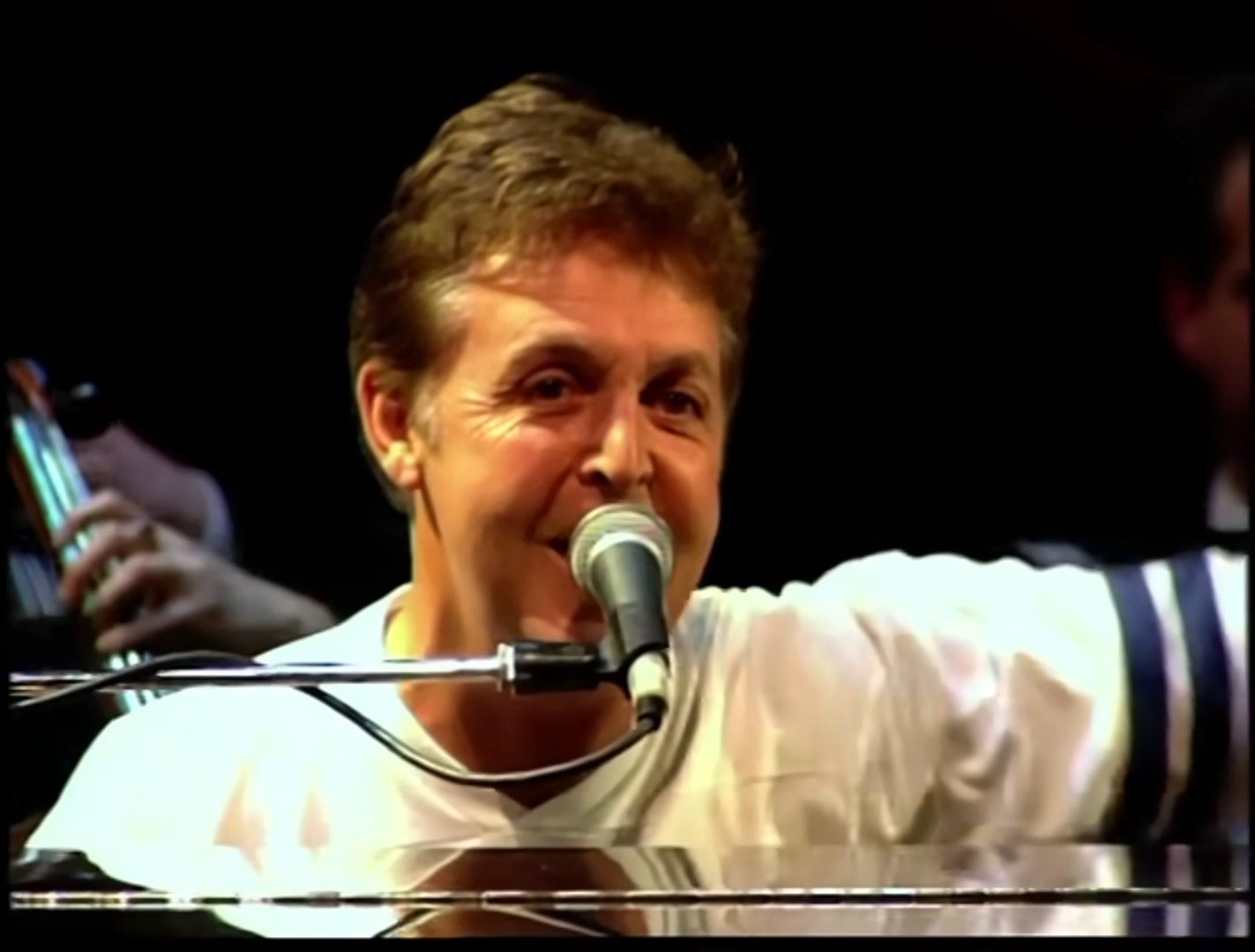
Paul McCartney returns to the moment he had to reinvent himself after The Beatles. Man on the Run doesn’t focus on stadium triumphs — it takes audiences back to the early 1970s, when doubt, pressure, and the weight of the Beatles legacy pushed Paul to the edge… and ultimately led to Band on the Run, the album that redefined his post-Beatles career. Featuring rare archival footage and an intimate perspective, the film reveals a Paul McCartney who was more vulnerable, more daring — and more creatively alive than ever.

paul

Paul McCartney: Man on the Run Brings the Band on the Run Era to Theaters
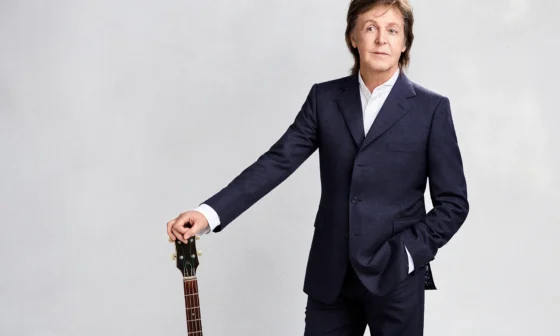
ID 185785973 © Fabio Diena | Dreamstime.com

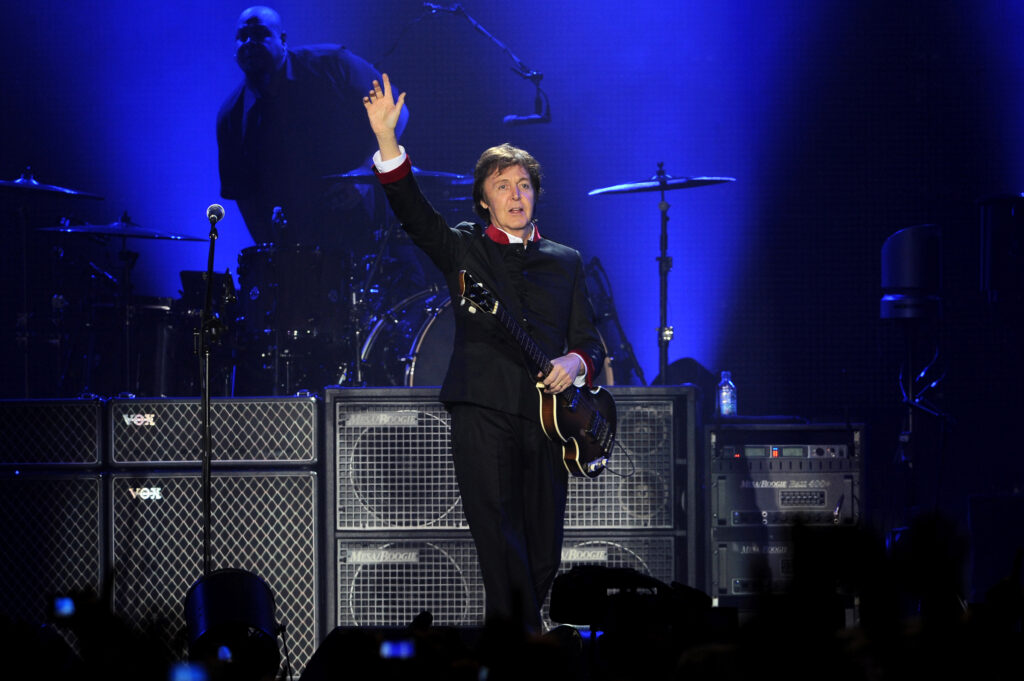
Paul McCartney is taking audiences back to one of the most pivotal chapters of his post-Beatles career with Paul McCartney: Man on the Run, a new feature documentary that shines a spotlight on the rise of Wings and the creation of the landmark album Band on the Run.

The film, directed by Academy Award winner Morgan Neville, examines McCartney’s creative rebirth in the early 1970s as he rebuilt his musical identity following the breakup of The Beatles. Rather than focusing on stadium performances or later career retrospectives, Man on the Run zeroes in on a period of uncertainty, experimentation, and eventual triumph that reshaped McCartney’s legacy.

A Limited Theatrical Run
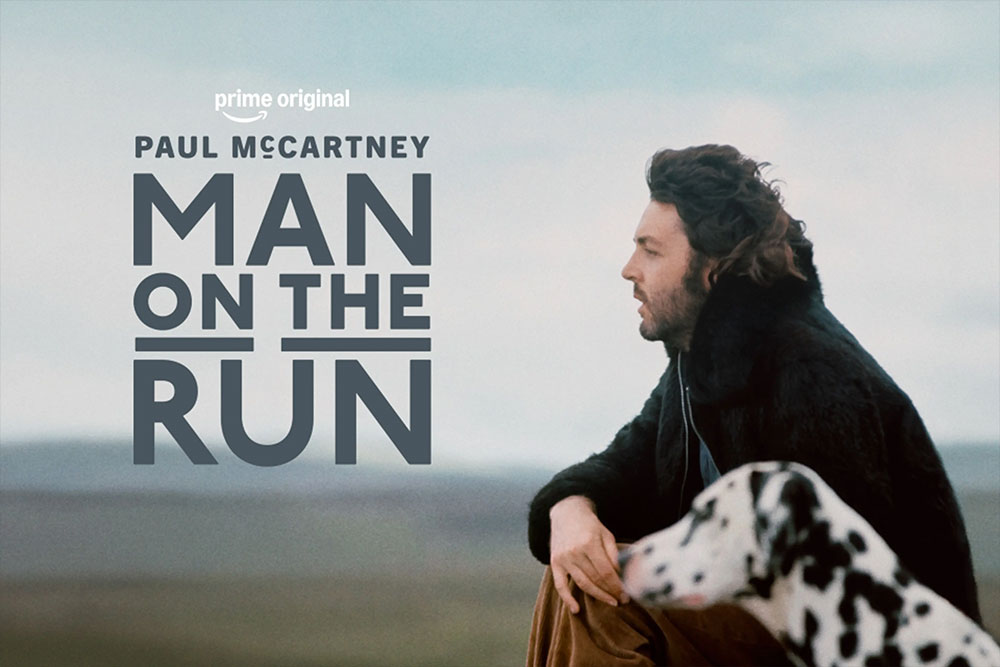
Paul McCartney: Man On The Run' Documentary To Be Released In Theaters

Paul McCartney: Man on the Run premiered at the Telluride Film Festival in August 2025 before rolling out as a limited theatrical release. The decision to bring the documentary to cinemas ahead of its streaming debut reflects the growing trend of positioning major music documentaries as theatrical events, particularly those tied to culturally significant albums and artists.

For fans, the theatrical run offers a rare opportunity to experience McCartney’s story and music on the big screen, with restored archival footage and immersive sound that emphasizes the scale of Wings’ ambition during the era.

From Wings’ Formation to a Breakthrough Album

The documentary traces McCartney’s journey from the immediate aftermath of The Beatles’ dissolution to the formation of Wings, a band that initially struggled for acceptance but ultimately became one of the most successful acts of the decade.

Central to the film is the story behind Band on the Run, recorded under difficult and often chaotic circumstances. The album went on to become a global success and is widely regarded as McCartney’s definitive post-Beatles statement. Through interviews and rare footage, Man on the Run explores how the album’s themes of escape, reinvention, and resilience mirrored McCartney’s own state of mind at the time.

A Personal Portrait of Reinvention

Rather than presenting a conventional career overview, Man on the Run offers a deeply personal look at McCartney’s emotional and creative struggles during the 1970s. The film includes reflections on his relationship with John Lennon, the pressure of living up to his Beatles legacy, and the doubts that accompanied his early years with Wings.

The documentary also highlights the role of family and collaboration in McCartney’s recovery as an artist, portraying Wings not just as a band but as a vehicle for experimentation and freedom.

Streaming Release to Follow

Paul McCartney: Man On The Run' Wings documentary to hit cinemas for one night only

Following its theatrical engagement, Paul McCartney: Man on the Run is scheduled to debut globally on Amazon Prime Video in late February 2026. The release coincides with a broader celebration of McCartney’s Wings era, including books and archival projects that revisit one of the most creatively fertile periods of his career.

For longtime fans and newcomers alike, the theatrical release of Man on the Run positions Band on the Run not just as a classic album, but as the turning point that redefined Paul McCartney’s place in rock history.

VIDEO BELOW

0 Shares:
Leave a Reply

Your email address will not be published. Required fields are marked *

You May Also Like
Paul McCartney
Read More

The lights of Rockshow flared and suddenly Paul McCartney and Wings launched into “Silly Love Songs,” and what should have been a simple pop tune erupted into an anthem of joy that shook the arena like an earthquake of happiness; McCartney’s bass throbbed like a heartbeat, his voice teasing the audience as if daring them not to sing along, and soon thousands were swaying, shouting the chorus until it felt like the walls themselves were smiling; critics once sneered that the world had no use for silly love songs, but in that moment it was impossible to deny — people needed them more than ever; couples kissed through tears, strangers held hands, and fans swore they felt the weight of cynicism fall away; social media later lit up with clips calling it “the night McCartney turned doubt into celebration,” and as the final refrain rang out, one truth shimmered brighter than the spotlights — love songs might be silly, but they can still save the world.

Paul McCartney Turns “Silly Love Songs” Into Rockshow’s Unlikely Anthem of Joy The lights of Rockshow flared, and in an…
carrie
Read More

“YEAR 13 — AND SUNDAY NIGHT FOOTBALL STILL BELONGS TO CARRIE.” Carrie Underwood is officially back. And the 2025 Sunday Night Football opener proved it in seconds. The lights hit. The beat kicked in. Glitter caught the camera just right. “Waiting All Day for Sunday Night” filled the screen like it always does. Fireworks. Fast cuts. That familiar rush. It didn’t feel new — it felt right. Year 13, and she still flips the switch for an entire season. Fans didn’t overthink it. They just said what everyone felt. “It’s not football season until Carrie sings.” Sometimes tradition isn’t about nostalgia. It’s about knowing exactly when something begins.

Carrie Underwood is back—and football fans across the country couldn’t be more excited. The country music superstar officially…
BRIAN
Read More

At a commemorative concert in London, Brian May stepped out, his signature white curls glowing, clutching his weathered Red Special guitar. By his side stood Roger Taylor. But the true center of attention was a haunting void in the middle of the stage—a lone, upright microphone stand with no one behind it. The music began. “Love of My Life.” Brian plucked the strings, the notes ringing out with heartbreaking sorrow. He didn’t sing. Instead, he let 80,000 fans fill the silence, singing Freddie Mercury’s part for him. Brian closed his eyes, tilting his head toward the heavens as if communing with an old friend. For a moment, it felt like Freddie was really there—right beside him, draped in his royal cape, conducting this colossal choir. When the song faded, Brian walked slowly toward that empty microphone and made a gesture that moved even the toughest men to tears…

In the world of rock and roll, silence is usually the enemy. Concerts are built on noise—the roar…