Bruce Springsteen’s Streets of Minneapolis Becomes More Than a Song — It Becomes a Political Flashpoint
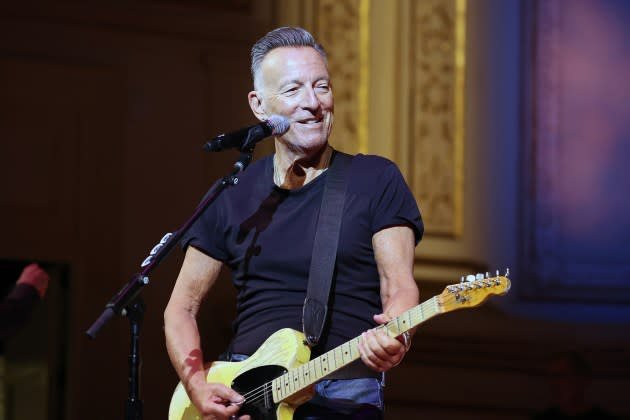
Rock legend Bruce Springsteen has released a highly charged protest anthem titled Streets of Minneapolis, a song written in direct response to recent deadly federal immigration enforcement actions in Minneapolis that left Alex Pretti and Renée Good dead. The track has quickly become one of the most talked-about cultural and political moments of the year.
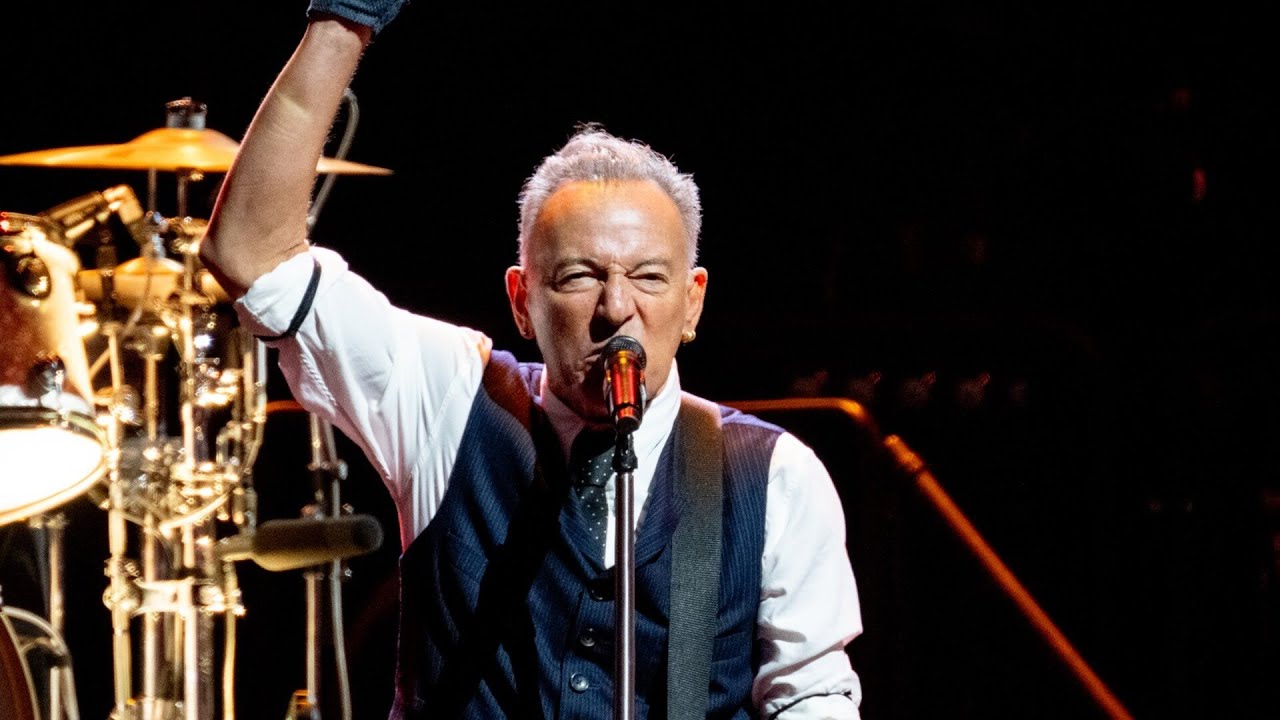
Recorded and released in late January 2026, Streets of Minneapolis departs from Springsteen’s more metaphor-driven catalog, choosing instead to name victims and criticize federal agencies and political figures by name — including referring to federal immigration enforcement as “state terror” and describing U.S. agencies like ICE and the Department of Homeland Security as what he elsewhere called “King Trump’s private army.”
The lyrics powerfully reference deaths in Minneapolis and the broader unrest surrounding Operation Metro Surge, the federal immigration operation that sparked protests and intense public reactions in the city. In the chorus, images of the city “singing through the bloody mist” and repeated mentions of Minneapolis streets memorialize those lost and build Streets of Minneapolis as an anthem of resistance and remembrance.
Why the Song Is So Politically Charged

Springsteen’s approach is unusually direct for mainstream music. Rather than using veiled references or purely metaphorical language, the song explicitly calls out political leadership and law enforcement tactics. That directness makes Streets of Minneapolis feel less like background entertainment and more like a public political statement through art, one tapped into intense national conversations about federal authority, civil liberties, and government accountability in crisis.
White House and Presidential Reaction
The political response has been immediate and pointed. According to multiple reports, the White House dismissed the song as “irrelevant” and defended federal enforcement actions, framing the song’s criticism as factually incorrect and detached from government perspectives on immigrant law enforcement. Administration spokespeople emphasised ongoing enforcement objectives and rejected Springsteen’s characterisation of policy and personnel.
Another report described the White House response as unusually heated, with official spokespeople and loyal commentators using personal attacks and dismissive language — a rare level of public criticism directed at a cultural figure by the executive branch.
Cultural and Public Response
The song has resonated widely beyond just political circles. Fans and commentators have described the release as one of Springsteen’s most urgent works in decades, linking it to moments like “Streets of Philadelphia” and other protest music traditions. Its rapid online dissemination and trending status suggest a deep emotional impact on listeners, particularly in Minnesota and among communities affected by federal enforcement operations.

Meanwhile, debate continues in Minneapolis itself, where residents and protesters have rallied against ICE actions and federal deployments — with the song serving as a backdrop for local activism and public mourning.
What Streets of Minneapolis Represents
For supporters, Springsteen’s song is more than music — it is art as public witness. It memorialises those who died while demanding accountability through lyrical storytelling and cultural influence. For critics, particularly within the current administration, it is seen as partisan commentary that oversteps the traditional boundaries between art and political advocacy.
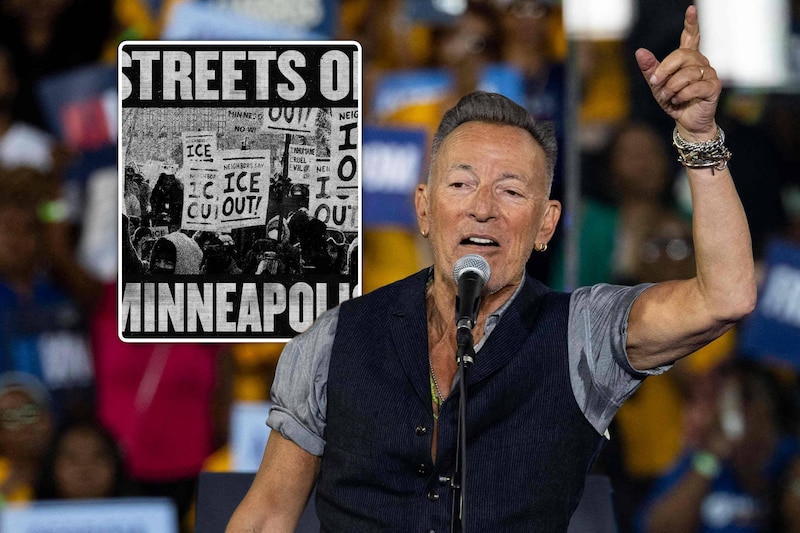
Either way, Streets of Minneapolis marks a clear moment where music, politics, and public grief have intersected — reminding listeners that even decades into his career, Springsteen continues to use his platform to confront social issues head-on.