Paul McCartney’s Private Jet Isn’t a Flying Palace — It’s a Quiet Love Letter Written at 40,000 Feet

When rumors first surfaced that Paul McCartney had quietly purchased a private jet, the internet reacted the way it always does with rock legends and luxury: disbelief, speculation, and a rush to imagine excess. After all, this is a man whose name is stitched into the fabric of modern music — a Beatle, a knight, a billionaire, a living monument to pop history. Surely, fans assumed, his aircraft would be a flying palace: gold-trimmed interiors, a piano bolted to the floor, indulgence in the clouds.
But that assumption missed the point entirely.
Because what stunned people wasn’t the jet itself — it was what wasn’t there.
No gaudy branding. No flashy symbols of wealth. No attempt to compete with the myth-making excess of rock culture. Instead, tucked quietly inside the aircraft, near the staircase where every journey begins, was a simple line of text. No lights. No plaque. Just words — almost easy to miss.
“For the love that carried me through every song.”
No name followed. None was needed.
As the detail spread, the reaction shifted. Shock softened into silence. And then, almost collectively, the world seemed to exhale.
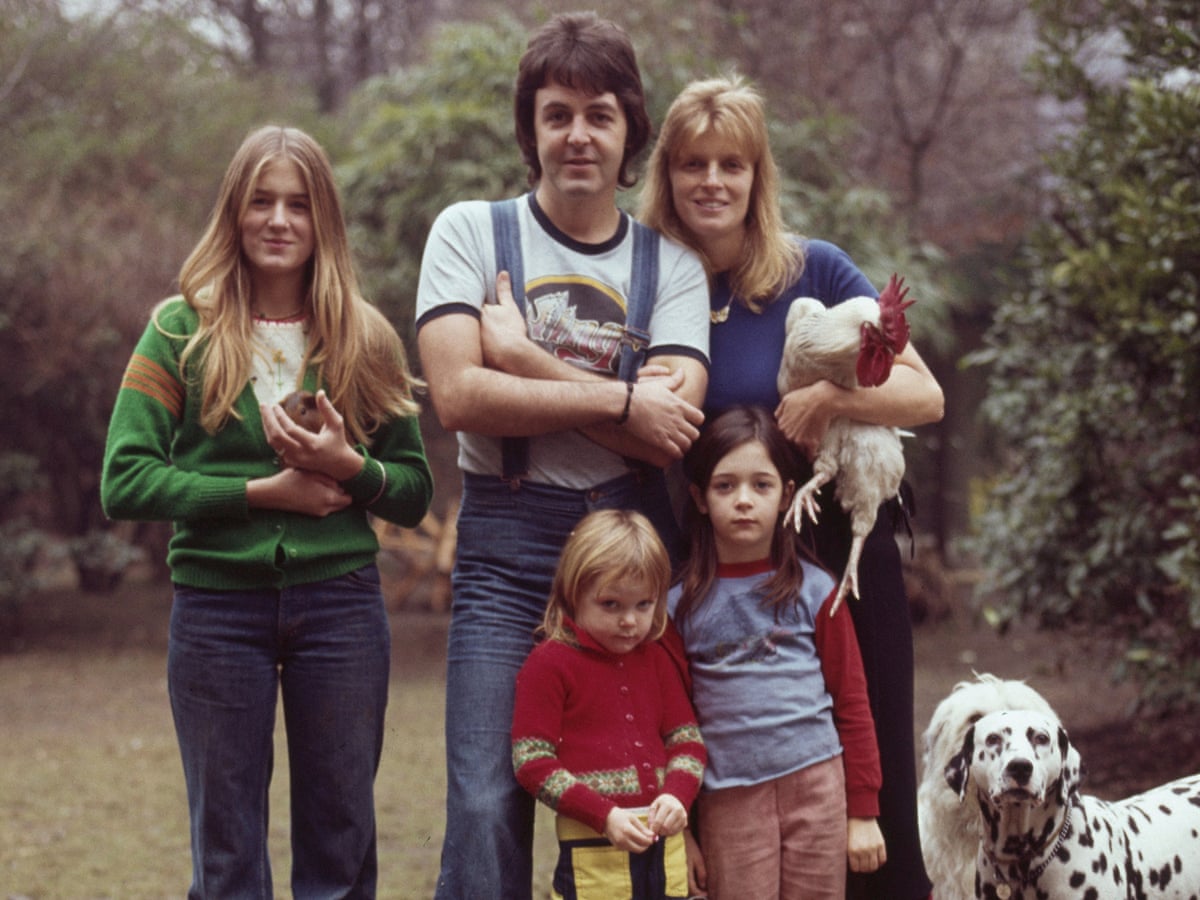
For decades, Paul McCartney has existed as something of a paradox. He is one of the most famous men on Earth, yet often the least interested in reminding anyone of it. While rock mythology tends to celebrate chaos, ego, and spectacle, McCartney has always leaned toward something quieter — melody over noise, devotion over destruction, love over legend.
And that is exactly what this jet represents.
Those close to the singer say the aircraft was never meant as a status symbol. It was a practical decision, yes — touring, travel, age — but also something more personal. The inscription, according to sources, is a private tribute to the woman who shaped his life offstage as deeply as he shaped music on it. A reminder carried from city to city, mile to mile, that every song, every success, every surviving moment was never truly a solo act.
In an era where celebrity luxury is often designed to be photographed, this detail was not meant to be seen at all.
And that’s why it mattered so much when it was.

Fans online were quick to notice the contrast. “Other rock stars build monuments to themselves,” one wrote. “Paul built one to love.” Another added, “He didn’t buy a jet. He built a memory that moves.” The comments didn’t explode — they hushed. The kind of reaction that comes not from envy, but recognition.
It also reframed how people view McCartney’s legacy at this stage of his life. While others chase relevance through spectacle, he seems intent on something else entirely: preservation. Of feeling. Of gratitude. Of the human story behind the music.
The jet doesn’t scream freedom or rebellion. It whispers continuity. It says that even at 40,000 feet, surrounded by clouds and distance, there are still people we carry with us — even when they’re no longer beside us.
And perhaps that’s the most radical thing of all.
Rock history is full of excess, of burning fast and loud. But Paul McCartney has always played a longer game. One built on harmony, partnership, and emotional memory. This aircraft, modest in presentation but heavy with meaning, feels like the final evolution of that philosophy.
If other rock icons use the sky to prove how high they can fly, McCartney uses it to prove something else entirely.
That love, once written into a life, doesn’t fade with time — it simply travels.