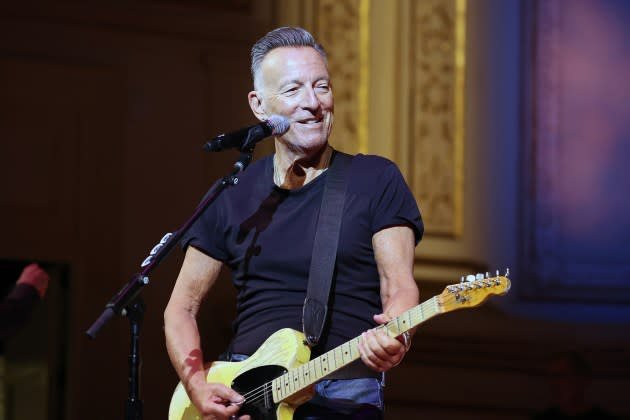
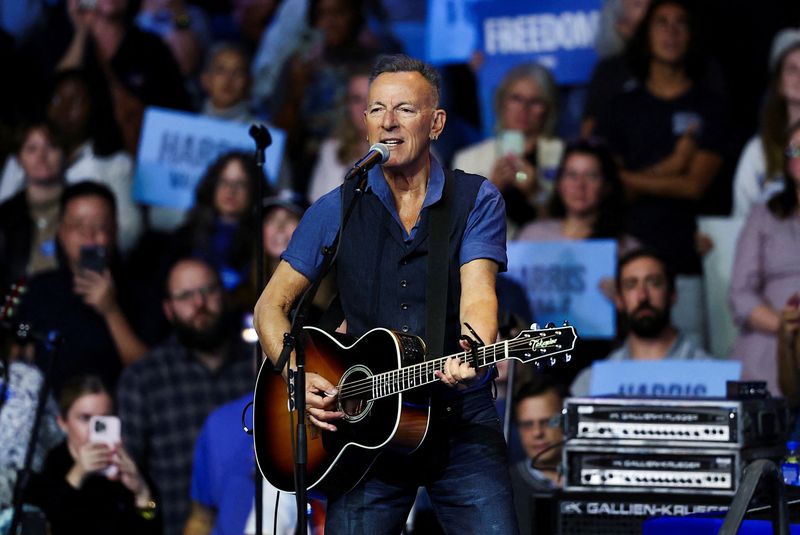
Bruce Springsteen has once again used his music to confront a moment of national pain, releasing a fiery new protest song in direct response to the deadly events unfolding in Minneapolis this month. Titled Streets of Minneapolis, the track was unveiled on January 28, 2026, just days after the deaths of Alex Pretti and Renee Good — two Minneapolis residents killed during federal immigration enforcement operations — and it quickly became one of the most talked-about musical statements of the year.
At 76 years old, Springsteen showed no signs of slowing down. With Streets of Minneapolis, he channels decades of political engagement into a forceful piece of protest folk rock that stands alongside some of his most socially conscious work. Springsteen has said he wrote the song within days of the killings, recording and releasing it almost immediately to make sure his reaction was timely and relevant to what people were experiencing on the ground.
:max_bytes(150000):strip_icc():focal(495x271:497x273)/streets-of-minneapolis-bruce-springsteen-012826-3d04d5868502416a9f7909af58e2a7d6.jpg)
The song doesn’t shy away from raw emotion or explicit critique. Its lyrics call out what Springsteen and many others view as aggressive federal tactics in Minneapolis, painting a vivid picture of civil unrest and injustice. Rather than employing vague metaphors, Springsteen names political figures associated with immigration policy and federal leadership, including referring to President Donald Trump’s administration and its officials in uncompromising terms.
Central to the song’s refrain is a chant of “ICE out!” which has become something of a rallying cry among protesters and activists. The line reflects the growing anger over the role of U.S. Immigration and Customs Enforcement (ICE) and its reported involvement in lethal actions during protests and enforcement operations in the city. Springsteen’s use of that chant — and the fact that he chose to make it a unifying chorus — signals that the song is meant to be more than a comment: it’s designed as a participatory anthem for those calling for change.

The way Streets of Minneapolis was received shows how deeply it resonated with parts of the public. On the day of its release, the song climbed to the top of trending charts, particularly on YouTube, where it gathered millions of views within hours. Many listeners praised Springsteen for lending his voice to a city in mourning and for using his stature to shine a spotlight on issues that extend beyond Minneapolis.
But the song also sparked controversy. The White House responded quickly and critically, dismissing the track as “irrelevant” and disputing some of the perspectives expressed in its lyrics. Government officials defended the immigration actions and stressed that the administration’s priority was law enforcement and public safety — not artistic statements.

Springsteen’s longtime willingness to blend music with social and political commentary dates back to earlier work like American Skin (41 Shots) and Born in the U.S.A., both of which tackled themes of violence, justice, and the American experience. Streets of Minneapolis continues that tradition, using melody and storytelling as tools for activism and remembrance.
As protests continue and debates over federal action unfold, Springsteen’s protest song stands as both an artistic expression and a historical marker — capturing a moment in time when music intersected with public grief, political tension, and calls for change in one of the nation’s most polarizing issues.