The Night the Loudest Room Learned to Listen
On a warm summer evening in Nashville, the crowd expected noise.
The club was small but famous, a place where young singers tried to prove themselves with volume and bravado. The neon sign outside buzzed like an insect, and inside, laughter mixed with the clink of glasses. It was the kind of room where music had to fight to be heard.
That night, an unassuming man walked onto the stage.
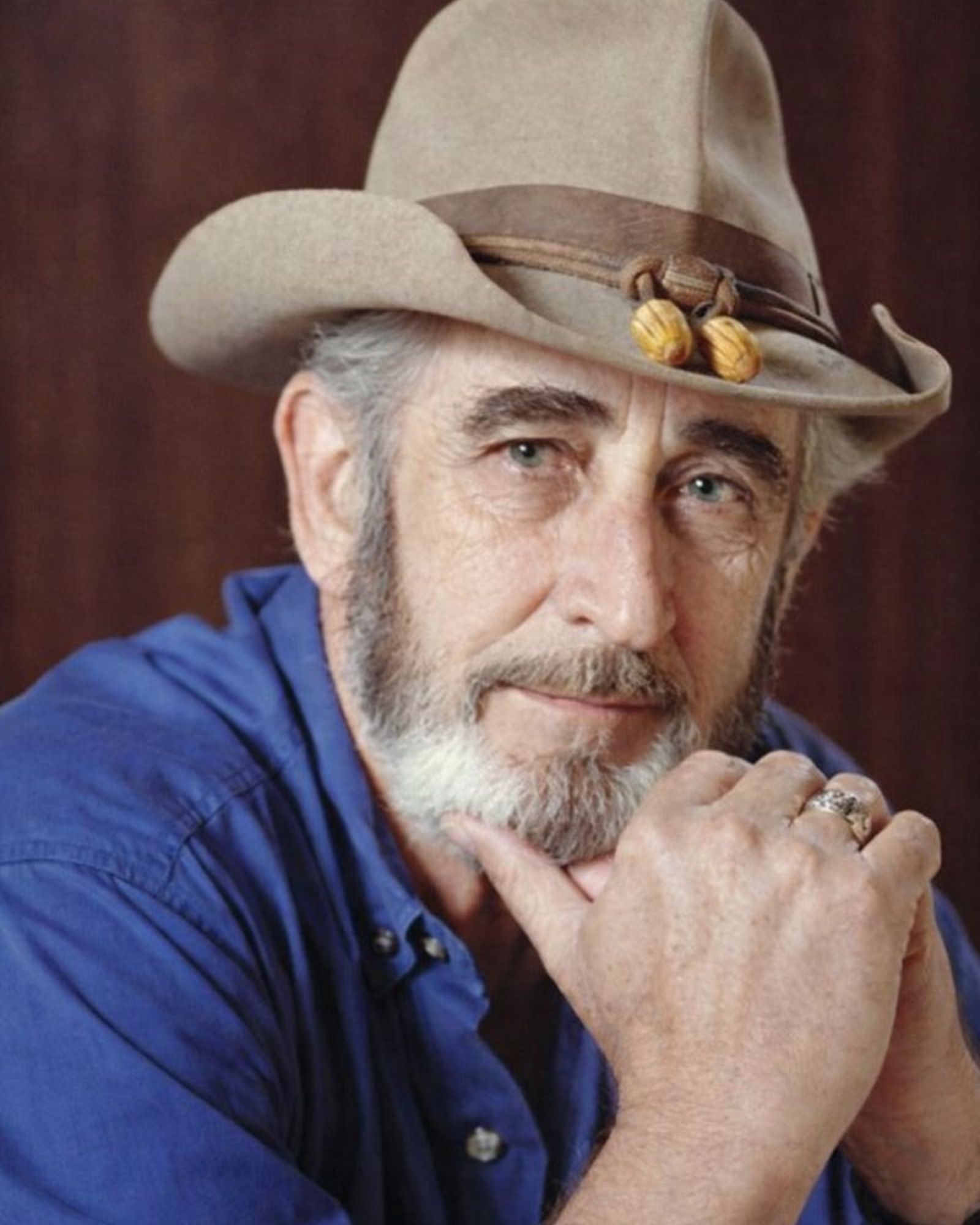
He wasn’t dressed like a star. No glitter. No leather. No dramatic entrance. He adjusted the microphone, nodded politely to the band, and waited for the chatter to fade. His name was Don Williams.
Many in the audience didn’t recognize him at first. But within minutes, the room began to change.
A Voice That Didn’t Compete
Don Williams had never been the loudest singer in country music. In fact, people often said the opposite. They called him “The Gentle Giant.” At six feet tall with a deep baritone voice, he looked imposing but sang with remarkable calm.
He didn’t push his notes.
He didn’t rush his words.
He let the silence work for him.
As he began to sing “Good Ole Boys Like Me,” the sound of conversations slowly died. Glasses stopped clinking. Chairs stopped scraping the floor. It wasn’t because he demanded attention. It was because his voice didn’t compete with the room — it invited it to listen.
There was something about the way he sang that felt personal. Not dramatic. Not theatrical. Just honest.
The Songs That Felt Like Letters
Don Williams’ greatest songs — “Tulsa Time,” “I Believe in You,” “Lord, I Hope This Day Is Good” — were never built for spectacle. They sounded like letters someone had written but never mailed.
When he sang about love, it wasn’t reckless.
It was steady.
When he sang about heartbreak, it wasn’t bitter.
It was patient.
The stories in his songs felt lived-in, like old houses that still held warmth. And that night, as he moved through his setlist, something unexpected happened. People leaned forward instead of back. They stopped filming and started listening.
In a world addicted to volume, his quiet confidence felt rare.
The Man Behind the Voice
In real life, Don Williams was known for avoiding the spotlight. He disliked heavy touring schedules. He preferred fishing to fame. He once stepped away from the industry at the height of his success, choosing peace over pressure.
That decision shaped his music.
While others chased trends, Don Williams stayed rooted in simplicity. He sang about ordinary people and ordinary emotions — the kind that don’t scream but stay with you for years.
His voice didn’t sound young.
It sounded wise.
And wisdom carries a different kind of power.
A Fictional Ending with a Real Meaning
In the story of that small Nashville club, Don Williams ended the night with “I Believe in You.” He stepped away from the microphone and let the final line float into the room without help.
For a few seconds, no one clapped.
Not because they didn’t like it — but because no one wanted to break the feeling.
Then applause came, slow and steady, rising like a tide instead of crashing like a wave.
That moment never appeared in history books. It may not have happened exactly that way. But it captured something true about Don Williams: he didn’t conquer rooms. He calmed them.
Why His Voice Still Matters
Don Williams passed away in 2017, but his songs continue to travel through radios, playlists, and memories. His legacy is not about chart positions alone. It is about restraint. About choosing gentleness in a loud world.
He proved that power does not always come from force.
Sometimes, it comes from stillness.
Don Williams was never flashy.
He was never urgent.
He was human.
And sometimes, a soft voice is the one that stays with you the longest.
Video