This moment is being resurfaced again in New York — showing John Lennon standing quietly outside The Dakota, looking so ordinary you’d swear it was just another afternoon. The name linked to the shutter click is Paul Goresh — a fan with a camera who often waited outside the building, never imagining he might capture a moment that many would later call Lennon’s “last.” No spotlight. No stage. Just a split-second of stillness… and then night fell — and the world changed forever.

John Lennon

The HAUNTING ‘ORDINARY’ MOMENT before tragedy struck… as a grainy ‘LAST’ snapshot of John Lennon resurfaces online — and the chilling detail that’s making fans SHIVER
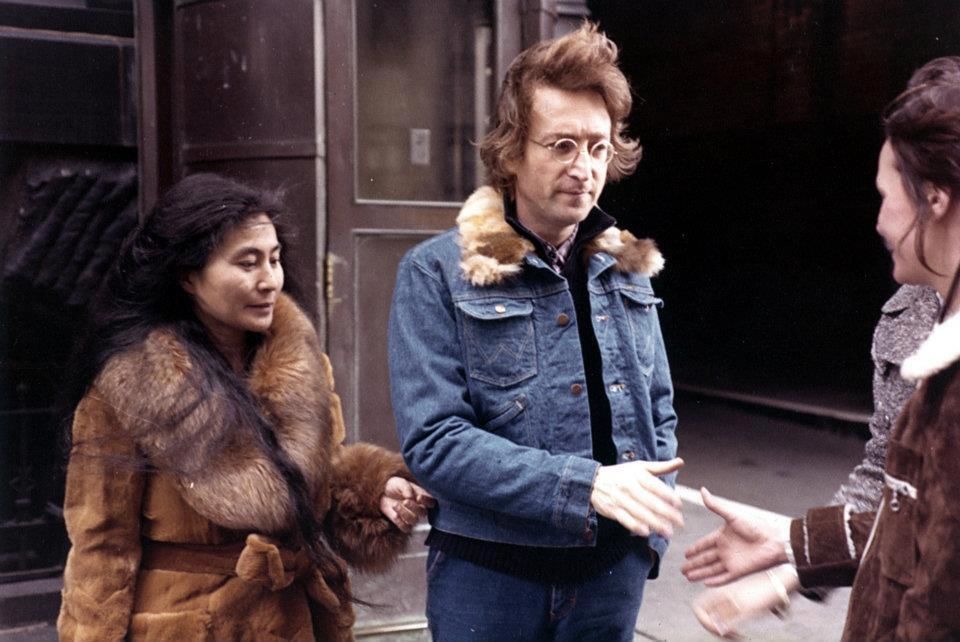
John Lennon & Yoko Ono outside the Dakota apartments in Dec of 1980 ...

  • A dark, grainy image claimed to be one of the last photos of John Lennon alive is going viral again — because it looks like any other afternoon until you realise what happened hours later.
  • HIGHLIGHTS: The photo is widely linked to Paul Goresh, a young fan-turned-amateur photographer who often waited outside The Dakota and photographed Lennon on 8 December 1980.
  • HIGHLIGHTS: Lennon was shot outside The Dakota later that night, returning home with Yoko Ono at around 10:50pm, and was pronounced dead at 11:15pm.
  • The “last photo” claim is a recurring internet obsession — and experts note Lennon’s final day included other documented final images and moments, adding to the debate over what “last” truly means.

It’s the sort of picture people scroll past without thinking — until the caption lands like a punch.

A dim, almost ghostly-looking image being shared across Facebook pages and photo-history accounts is once again being billed as John Lennon’s “final photograph” — taken outside The Dakota on the afternoon of 8 December 1980.

And the reason it’s exploding now is brutally simple: it doesn’t look dramatic.

No stage lights. No screaming crowds. No “this is the end” warning siren.

Just a man in profile, wrapped in a coat, mid-thought — the kind of moment that feels painfully normal… right up until you remember he would be dead hours later.

The viral claim — and why it hits so hard

The Assassination of John Lennon (December 8, 1980) | COVE

Online posts have described the image as the “last photo” taken by Paul Goresh, a young Beatles superfan who became a familiar face outside Lennon’s home and sometimes photographed him coming and going.

Goresh’s name is not random internet folklore. Contemporary reporting after the murder described him as the amateur photographer who captured Lennon earlier that day — including the infamous scene in which Lennon signs an album for Mark David Chapman, the man who would later shoot him.

The detail that keeps resurfacing in re-shares is the image’s murky, underlit quality — often blamed in retellings on a flash misfire — which only makes the moment feel more “real”, more like an accidental goodbye than a staged photograph.

What actually happened on Lennon’s last day

John Lennon - 1980.11.02 The First Time In Five Years That Lennon Had ...

Lennon’s final day in New York was packed — creative, domestic, and completely ordinary on the surface.

By late evening, Lennon and Yoko Ono had been working at the Record Plant on Ono’s track Walking On Thin Ice, and left the studio at around 10:30pm, heading back to The Dakota.

They arrived home around 10:50pm. Lennon walked toward the archway entrance.

Chapman was waiting.

Lennon was shot and fatally wounded outside the building in Manhattan — a murder that shocked the world and remains one of the most notorious celebrity killings in modern history.

The “last photo” debate: why the internet can’t let it go

Here’s the uncomfortable truth: “last” depends on what you mean.

Some accounts focus on Goresh’s photos taken outside The Dakota earlier on 8 December.
Others point to the final professional photographs from Lennon’s last weeks as he re-emerged publicly in 1980.

That tension — between the last image taken, the last image published, and the last image that feels like a goodbye — is exactly why posts like this keep going viral.

Because it’s not really about photography.

It’s about the sickening idea that history can turn on a hinge so small you don’t even notice it closing.

Goresh wasn’t a paparazzo in the modern sense — he was a young fan with a camera who repeatedly stationed himself outside The Dakota, eventually becoming known for candid Lennon moments, including images taken on the day of the murder.

He later became permanently linked to Lennon’s final hours — a connection that, as later reflections have noted, carried a heavy emotional toll and a strange kind of fame.

0 Shares:
Leave a Reply

Your email address will not be published. Required fields are marked *

You May Also Like
OZZY
Read More

He Didn’t Just Play Ozzy He Became Him. In a night that no one will ever forget, 12-year-old guitar prodigy Olly Pearson took the stage and delivered a “Crazy Train” performance so raw, explosive, and eerily powerful that fans swore they could feel the spirit of Ozzy Osbourne rise again.🔥 What began as a simple tribute turned into a supernatural moment of pure rock resurrection — a blend of youth, passion, and the unbreakable fire of heavy metal itself. By the final note, the crowd wasn’t just cheering… they were trembling.

When Olly Pearson steps on stage, even at age 11, there’s an electric promise: not simply to play…
Read More

Paul McCartney’s Surprise SNL Performance Left the Entire Studio Frozen in NostalgiaFew artists can walk onto a stage and instantly change the emotional temperature of an entire room quite like Paul McCartney. During the Season 51 finale of Saturday Night Live, that rare kind of magic unfolded in real time when the former Beatle made an unexpected appearance that no one in the audience seemed fully prepared for. The surprise reveal alone was enough to send the studio into a frenzy. Audience members erupted with cheers the moment McCartney stepped into view, realizing they were witnessing one of music’s most legendary figures appear live on one of television’s most iconic stages. But while the excitement initially filled the room, the atmosphere shifted dramatically once the performance began. As the first notes rang out, the energy transformed from shock to reflection. McCartney chose a song that carried an unmistakable emotional weight, instantly transporting fans back through decades of memories tied to his music. For longtime Beatles listeners and generations raised on his songwriting, the performance felt less like a television segment and more like a shared moment in music history unfolding live before their eyes. What stood out most was the silence that settled over the studio. In a setting usually built around loud laughter, applause, and rapid transitions, the room became noticeably still as McCartney performed. Audience clips circulating online captured fans standing motionless, many singing quietly along while others simply watched in disbelief. Backstage reactions painted a similar picture, with cast members and crew appearing equally stunned by the unexpected emotional impact of the performance. Social media quickly lit up once footage from the finale began spreading online. Fans described the moment as deeply nostalgic, with many saying it felt like “time stopped” inside the studio. Others commented on how rare it is for a live television performance to create such a unified emotional response from both the audience and viewers watching from home. Part of that reaction comes from McCartney’s unique place in music history. Few living artists carry the same connection to multiple generations of listeners. His songs have existed through changing eras, technologies, and musical trends, yet performances like this remind audiences why his work continues to resonate so strongly decades later. There was also something unusually intimate about the way the performance unfolded. Despite appearing on a massive television platform, McCartney’s delivery felt personal and understated. Rather than relying on spectacle or elaborate staging, the moment worked because of its sincerity. The simplicity allowed the emotion of the song — and the memories attached to it — to fully take over the room. For many viewers, the performance became the emotional centerpiece of the SNL finale. Even in a season packed with celebrity cameos, comedy sketches, and musical guests, McCartney’s appearance stood apart because it tapped into something deeper than surprise alone. It reminded audiences how powerfully music can reconnect people to different moments in their lives. By the end of the song, the applause felt less like a reaction to a celebrity cameo and more like gratitude for a moment that briefly brought an entire studio together through shared nostalgia. And judging by the millions of reactions flooding social media afterward, viewers at home felt it too.

Few artists can walk onto a stage and instantly change the emotional temperature of an entire room quite…