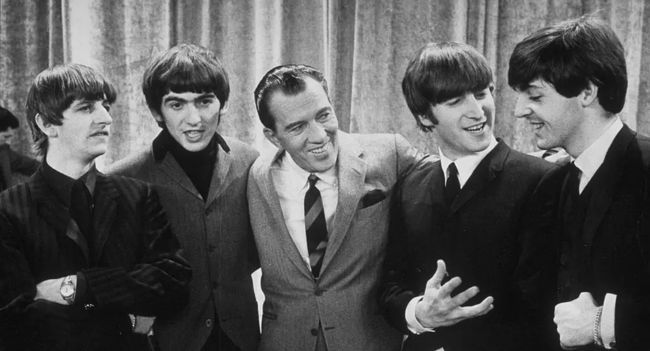
THE NIGHT THAT CHANGED AMERICA FOREVER: How 73 MILLION Viewers Watched The Beatles Ignite ‘Beatlemania’ on The Ed Sullivan Show — And Why That 1964 MOMENT Still Echoes 62 Years Later

- An astonishing 73 MILLION Americans tuned in on February 9, 1964 — nearly 40% of the US population at the time
- John Lennon, Paul McCartney, George Harrison and Ringo Starr performed five songs that rewrote pop culture overnight
- The broadcast is widely credited with launching the ‘British Invasion’ and transforming youth identity in the US
- Social media users are now revisiting the footage, calling it “the moment music went global”
It was just after 8 p.m. in New York when four mop-topped young men stepped onto a modest television stage — and within minutes, America would never sound the same again.
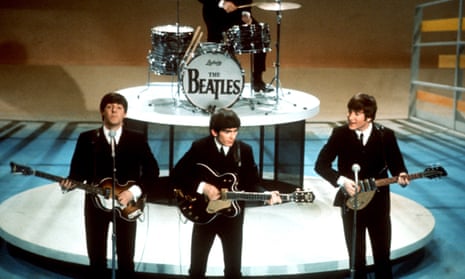
On February 9, 1964, The Beatles made their American television debut on The Ed Sullivan Show, triggering a cultural earthquake that historians still describe as one of the most pivotal moments in entertainment history.
An estimated 73 million viewers — roughly 40 per cent of the US population at the time — sat glued to their sets as John Lennon, Paul McCartney, George Harrison and Ringo Starr launched into All My Loving.
The screams were deafening.
The hysteria? Instant.
The impact? Permanent.
A Nation Ready for Escape
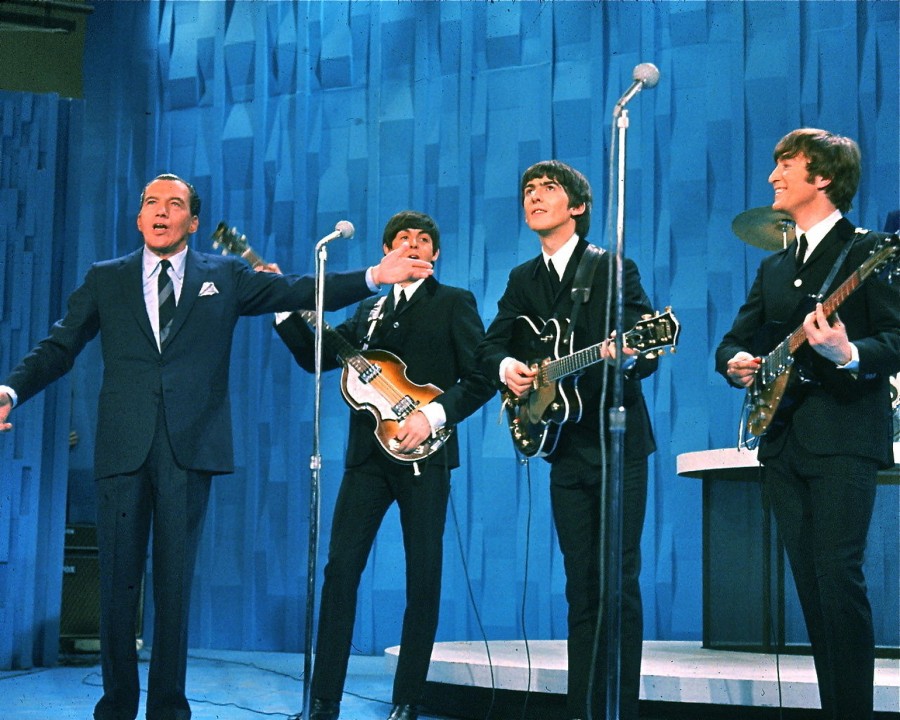
The timing was electric — and fragile.
America was still reeling from the assassination of President John F. Kennedy just months earlier in November 1963. The country was grieving, tense, uncertain.
Then came four cheeky young men from Liverpool with sharp suits, irreverent charm and a sound unlike anything US radio had embraced before.
As Sullivan famously introduced them — mispronouncing their hometown as “Liverpool” with theatrical flourish — teenage girls fainted, wept and shrieked in scenes that would later define the word Beatlemania.
The Performance That Rewrote the Rules
That night, the band performed:
- All My Loving
- Till There Was You
- She Loves You
- I Saw Her Standing There
- I Want to Hold Your Hand
The final number sealed it.
By the next morning, record shops were besieged. Radio playlists shifted. Hairstyles changed. Suits got slimmer. Attitudes got bolder.
Music critics now widely credit that single broadcast with igniting the British Invasion, paving the way for The Rolling Stones, The Who and countless others.
Sidebar: The Men Behind the Moment
John Lennon, 23 — the sharp-tongued rebel with a rhythm guitar.
Paul McCartney, 21 — the melodic charmer with movie-star looks.
George Harrison, 20 — the quiet craftsman.
Ringo Starr, 23 — the steady beat behind the chaos.
Their average age? Just 21.
Yet within weeks of that performance, they were the most recognisable faces in America.
The Cultural Shockwave
Television had never witnessed anything like it.
Ed Sullivan’s programme, already a Sunday-night staple, suddenly became the epicentre of a youth revolution. Parents were bewildered. Teenagers were electrified.
Fashion shifted towards bold cuts and longer hair. Pop music pivoted from safe crooners to rebellious guitar-driven anthems.
And the numbers still astonish: Nielsen ratings confirm that the episode remains one of the most-watched TV moments in US history.
Why It Still Matters in 2026
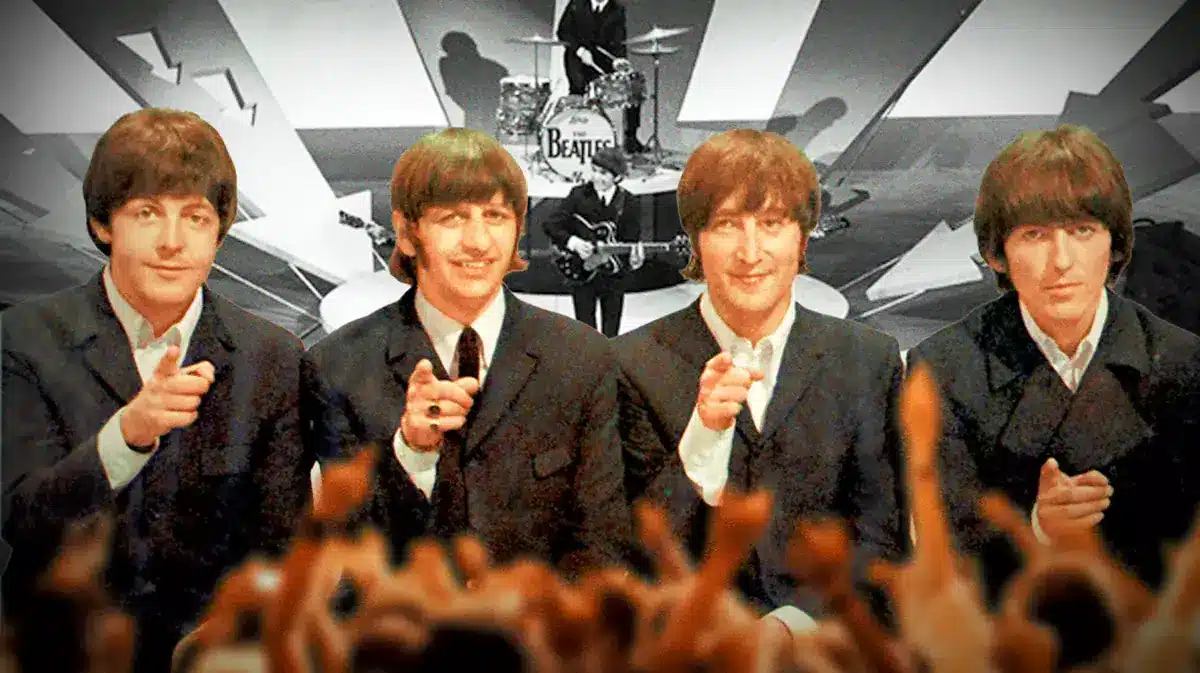
Now, 62 years later, clips of that historic broadcast are once again circulating across X and Instagram, with younger generations calling it “the original viral moment.”
Music historians argue that global pop culture — from stadium tours to fandom culture — can be traced back to those few breathless minutes in 1964.
Without that night, would modern pop superstardom even exist?
Would the global music industry look the same?
A Night That Echoes Through Time
What seemed like harmless teenage hysteria was, in fact, a seismic shift.
The Beatles didn’t just perform that night.
They redefined youth, reshaped radio, and proved that four boys from a working-class port city could conquer the most powerful media market in the world.
And it all happened live.
What do you think — was February 9, 1964 the most important night in music history? Let us know in the comments.