AFTER 73 MILLION WATCHED THEM ON ED SULLIVAN… WHERE DID THE BEATLES GO NEXT? Inside the SECRET New York Night Out That Sparked a Cultural Earthquake — And the Power Players Sitting Beside Paul McCartney
Highlights
-
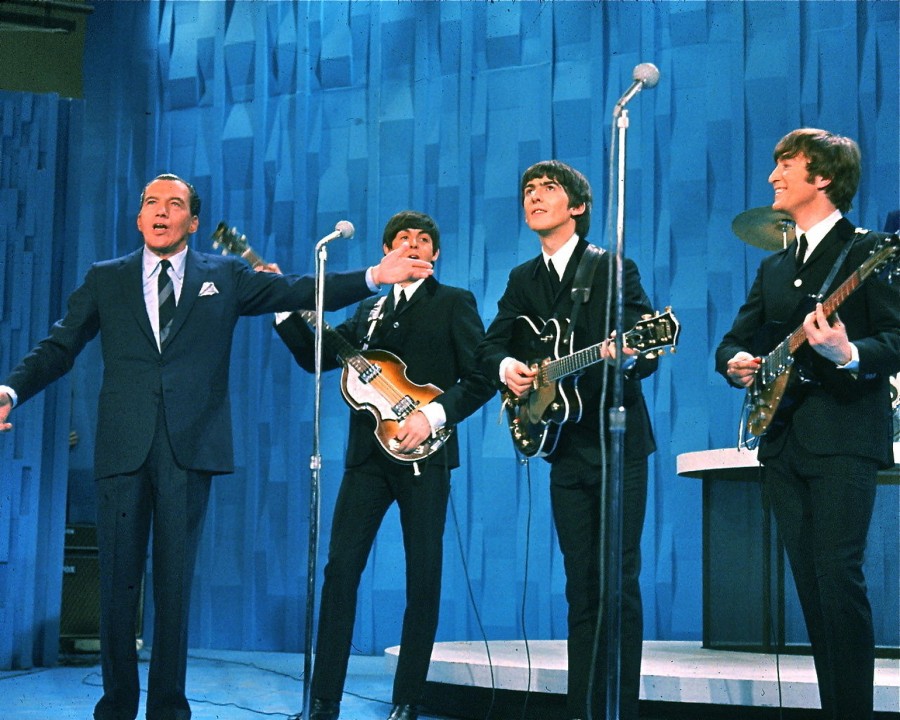
73 million viewers tuned in to The Beatles’ Ed Sullivan Show debut on February 9, 1964 — a U.S. television record at the time
-
Hours later, the Fab Four were photographed at New York’s Peppermint Lounge, not backstage — but in the heart of Manhattan nightlife
-
Paul McCartney was seated between Roy Gerber, a top booking executive, and press officer Brian Sommerville, revealing the machinery behind Beatlemania
-
George Harrison’s sister Louise Harrison was also in attendance — a little-known family link to the band’s American breakthrough
It was the night America changed.
On February 9, 1964, an astonishing 73 million viewers — nearly 40% of the U.S. population at the time — tuned in to watch four young men from Liverpool perform on The Ed Sullivan Show. Teenage girls screamed. Parents stared in disbelief. The British Invasion had begun.
But once the cameras stopped rolling, The Beatles didn’t retreat quietly to their hotel suites.
They went out.
And not just anywhere.
They headed straight into Manhattan’s buzzing nightlife scene — the legendary Peppermint Lounge, a hotspot synonymous with twist-era glamour, celebrities and music-industry dealmakers.
A now-iconic photograph taken by celebrated photojournalist Harry Benson captures the scene: Paul McCartney seated casually, dark suit crisp, expression relaxed — flanked not by fellow rockers, but by the men who were engineering the band’s American conquest.
On one side sat Roy Gerber, a key figure from the General Artists Corporation, the powerful booking agency responsible for placing the band in front of U.S. audiences. On the other, Brian Sommerville, the band’s sharp-minded press officer — the man tasked with shaping how America saw the mop-topped phenomenon.
It wasn’t just a party.
It was strategy.
The business behind the hysteria
While millions of fans were still buzzing from the television spectacle, conversations inside that lounge were likely far less innocent.
The Beatles’ appearance on Ed Sullivan wasn’t accidental. It followed months of careful orchestration by manager Brian Epstein, who had tirelessly negotiated U.S. exposure after Capitol Records initially hesitated to promote the band.
By February 1964, the dam had burst.
‘I Want to Hold Your Hand’ had already climbed to No. 1 on the Billboard charts. American radio stations were flooded with requests. And that Sunday night broadcast cemented their dominance.
The Peppermint Lounge outing suggests something more calculated than celebratory cocktails. It placed Paul — the band’s most media-savvy member — directly between the architects of their expansion.
Deals were being shaped.
Tours were being secured.
A movement was becoming an industry.
A family connection in the room

Adding a quieter, more intimate layer to the night was the presence of Louise Harrison, George Harrison’s older sister.
Long before the Ed Sullivan appearance, Louise had been living in Illinois and championing her brother’s band to American radio DJs — even sending records to stations in hopes of generating interest.
In many ways, she was an unsung early ambassador of Beatlemania in the States.
That she was present in the room that night feels symbolic — the culmination of a transatlantic push years in the making.
From television phenomenon to cultural takeover

Within weeks of that broadcast, The Beatles would occupy the top five spots on the Billboard Hot 100 simultaneously — a feat never replicated.
Historians often mark February 9, 1964, as the moment British pop culture officially infiltrated America.
But perhaps the more revealing moment came after the applause faded — when the band, instead of basking privately in triumph, embedded themselves at the centre of New York’s entertainment elite.
It was ambition, not accident.
The myth — and the machinery
To fans, it looked like four cheeky lads taking Manhattan by storm.
Behind the scenes, it was a carefully navigated ascent powered by relationships — between artist and manager, press and publicist, family and fame.
That image of Paul at Peppermint Lounge is more than a snapshot.
It’s a blueprint of how cultural revolutions are engineered.
Sixty years later, the question still lingers: was that night simply a celebration — or the quiet signing of rock ’n’ roll’s new world order?
What do you think — spontaneous glamour, or calculated conquest? Let us know in the comments below.