A Line That Reignited the World
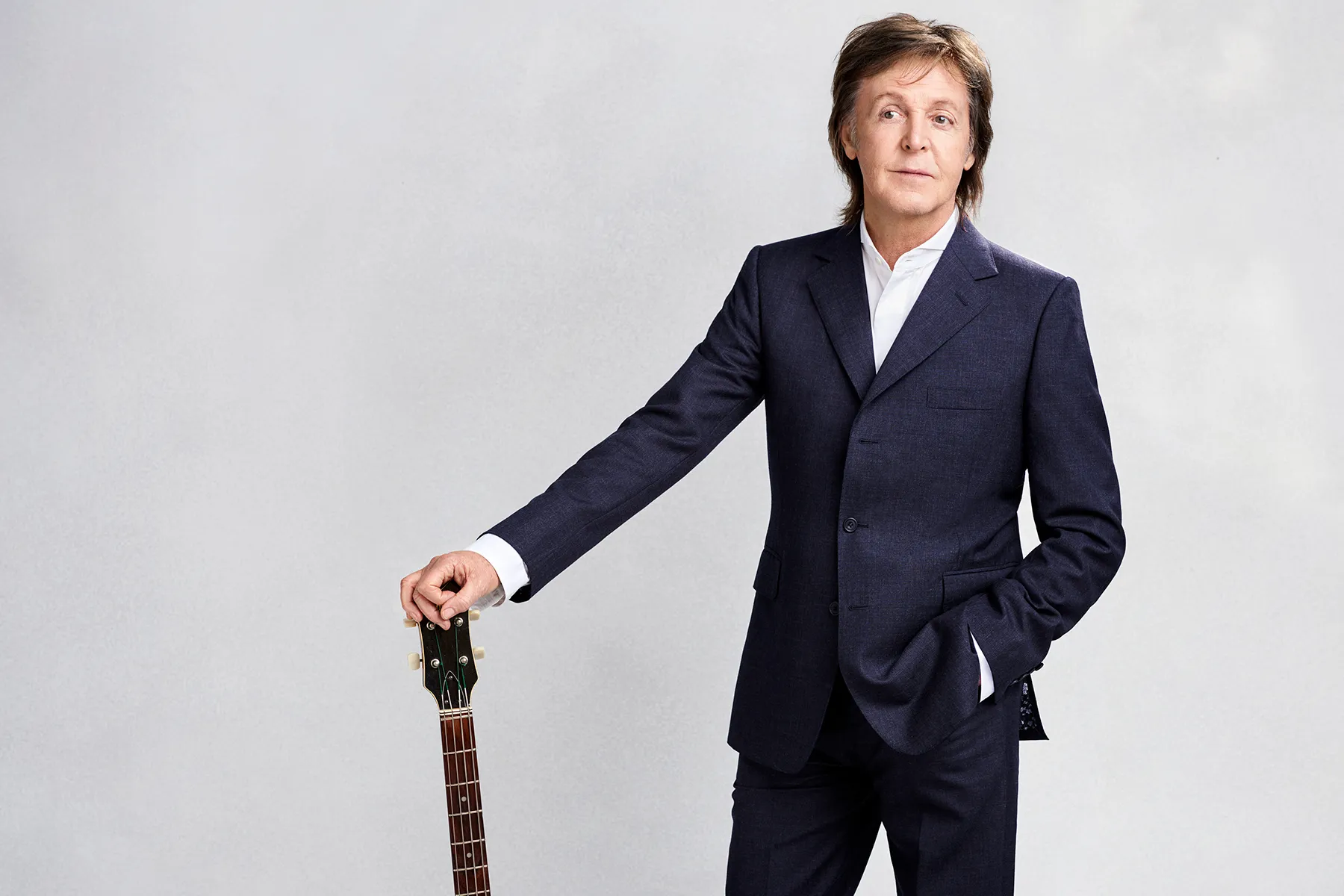
“I’m not done yet.” With that declaration, Paul McCartney reentered a conversation many believed had gently settled. At 83, after a lifetime of recording, touring, and shaping modern popular music, the assumption that he might slow into quiet reflection felt natural. The surprise announcement of a return to the stage disrupted that assumption instantly. Within minutes, fan communities around the world were alive with speculation, anticipation, and a familiar sense of awe.

The language surrounding the announcement suggested intention rather than spectacle. It did not frame the return as a farewell or a victory lap. It framed it as continuation.
A Career That Refuses to Settle
McCartney’s career has been defined by motion. From early years transforming songwriting and performance to decades of solo work and collaborations, he has consistently resisted settling into one identity. The return to the stage at 83 is less about defying age and more about remaining in dialogue with the present. Performance, for McCartney, has never been a chapter to close. It has been a practice of staying engaged.
That practice continues to resonate because it does not hinge on reinvention for novelty’s sake. McCartney’s presence on stage carries continuity. The songs evolve as he does, accumulating layers of meaning rather than being replaced.
Not Just Another Tour
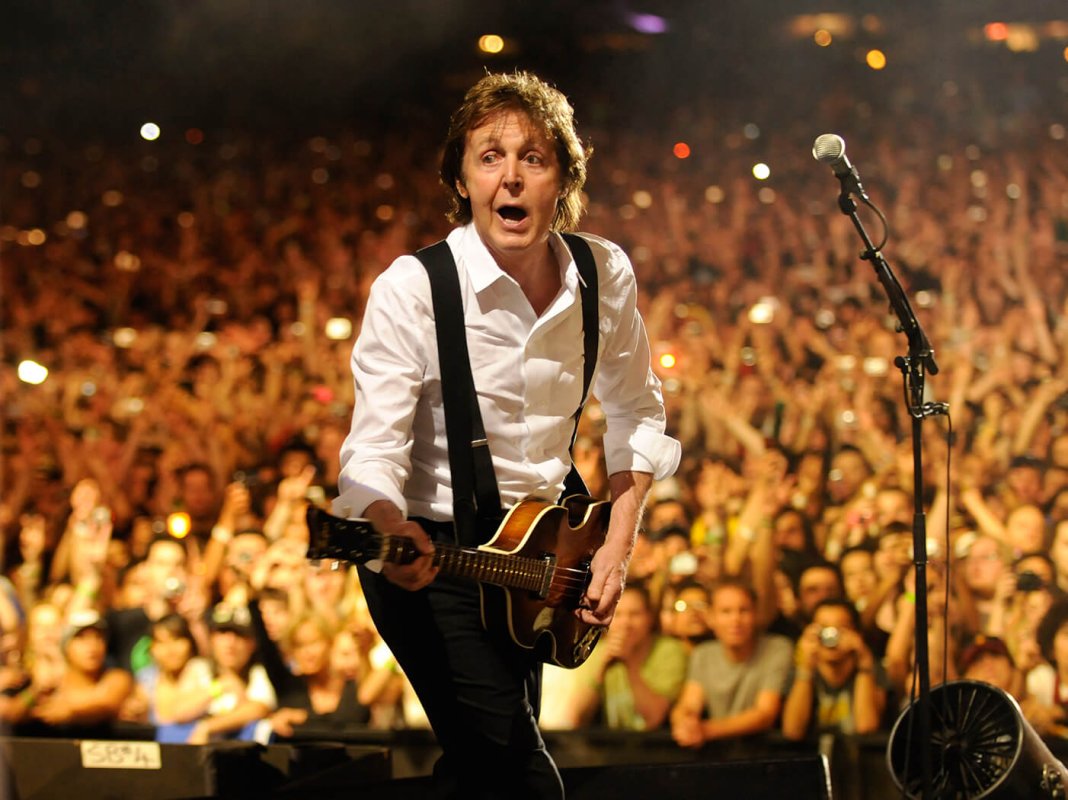
Those close to the production describe the upcoming performances as shaped by emotional arc rather than spectacle. The emphasis is expected to fall on clarity of sound, storytelling, and shared memory. Reimagined arrangements of familiar songs may offer subtle shifts in pacing and tone, allowing decades-old material to feel newly inhabited.
The return is framed as a chapter rather than a campaign. This framing allows the work to breathe without the pressure of finality. The absence of farewell language keeps the focus on presence rather than closure.
Fans Respond to the Possibility of Presence
The response from fans has been immediate and deeply personal. Social media filled with stories of first concerts attended, records inherited from parents, and songs that marked life milestones. The announcement of McCartney’s return activated these memories, reminding listeners of how intertwined his music is with their own timelines.
For many, the appeal lies not in novelty, but in continuity. The chance to hear familiar songs performed live again carries emotional weight because those songs have accompanied listeners across decades. The concert becomes a shared space where personal history meets collective memory.
Aging in Public Without Finality
McCartney’s return invites reflection on how artists age in public. Popular culture often frames later-life performance as either defiance or farewell. McCartney’s posture suggests neither. It suggests steadiness. He acknowledges the passage of time without allowing it to dictate retreat. This balance resonates with audiences navigating their own questions about how to continue with intention as seasons change.
![REVIEW] Paul McCartney Delivers a Monumental, Career-Spanning Show in Columbus - Cincinnati CityBeat](https://i0.wp.com/www.citybeat.com/wp-content/uploads/2025/11/paul-mccartney-nationwide-arena-columbus-ohio-2025-32.jpg?fit=2000%2C1333&ssl=1)
The framing of this chapter as “not done yet” does not promise endless touring. It promises engagement—an artist choosing to remain present with his work and his audience for as long as the work remains meaningful.
The Industry Watches the Signal
Within the industry, the return is read as a signal about the enduring power of live performance. Even in an era dominated by streaming and digital discovery, the communal experience of a concert retains its cultural force. McCartney’s return underscores that force. His presence draws attention not only because of his history, but because of what live performance still offers: shared attention in real time.
The announcement also highlights the value of long-term relationships between artists and audiences. McCartney’s career demonstrates that loyalty built over decades can still mobilize collective excitement.
What One More Chapter Can Offer

This chapter does not promise reinvention. It promises resonance. The songs will likely sound familiar, yet different in the way familiarity deepens with time. The performances may carry quieter energy, but that quiet can hold weight. For fans, the draw is not to witness something unprecedented, but to experience continuity—an artist choosing to remain in conversation with his own history.
When the Stage Lights Rise Again
As Paul McCartney steps back onto the stage, the moment carries both history and immediacy. The declaration “I’m not done yet” reads not as bravado, but as commitment: to the craft of songwriting, to the shared space of live performance, and to the ongoing relationship with listeners who have grown alongside his music.
In that commitment lies the power of one more chapter. Not a closing chapter, but a living one—written night by night, in rooms filled with people who recognize that some stories do not end. They continue, gathering meaning as they go.