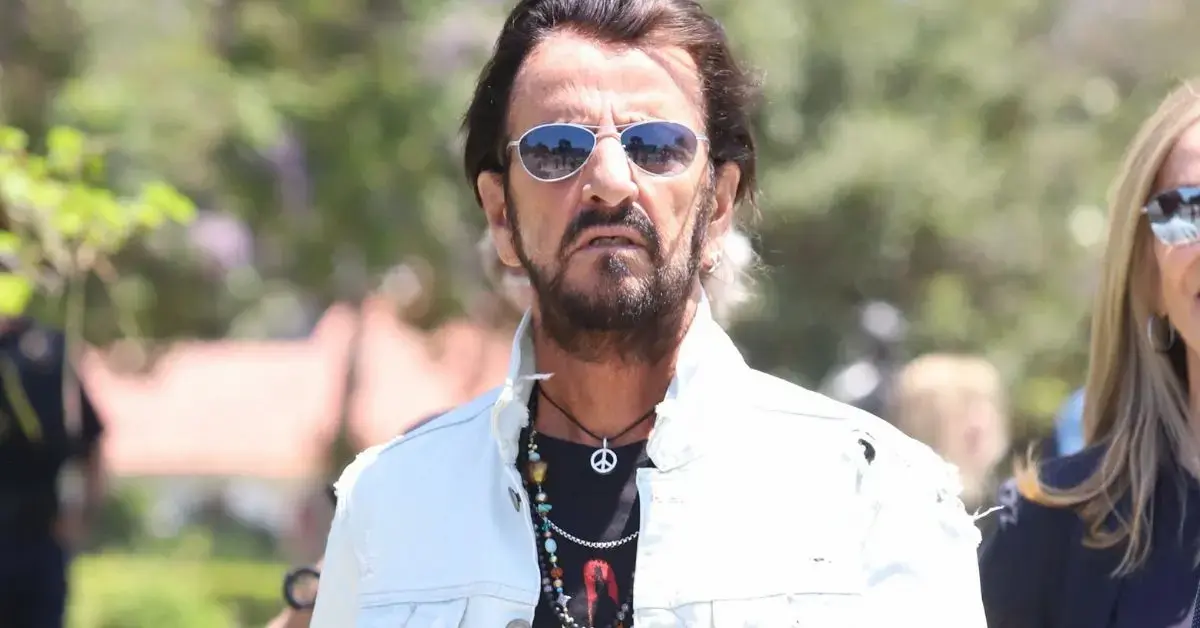
If relevance were measured in headlines, algorithms, or the speed of a viral clip, the conversation might look different. But if it is measured in rhythm — in the quiet endurance of melody and meaning — then Ringo Starr has never faded from view.
Listening to his music in 2026 does not feel like revisiting a museum piece. It feels present. There is something unforced about the way his songs settle into a room. They don’t compete with the moment; they accompany it. They don’t shout for attention; they earn it slowly.
From “With a Little Help from My Friends” to “Photograph” and “It Don’t Come Easy,” Ringo’s catalog has always leaned toward clarity over complexity. His voice is not theatrical. It carries warmth rather than bravado. When he sings, the emphasis is rarely on virtuosity. It is on feeling.
That distinction matters.

In the mythology surrounding The Beatles, discussions often orbit around songwriting duos and cultural upheaval. But Ringo’s contribution — both then and after — has been anchored in something steadier. He understood that music is not only about standing out. It is about holding together.
As a drummer, his instinct was famously song-first. He played to serve the melody, not to overshadow it. That same instinct shaped his solo work. The songs feel grounded, direct, human. They don’t chase complexity for its own sake. They lean into accessibility — not as compromise, but as connection.
In an era where trends shift overnight and entire genres seem to reinvent themselves every season, Ringo’s catalog remains oddly immune to expiration. The reason may be simple: it was never built around trend to begin with.
Listeners today are not pressing play solely for nostalgia. Nostalgia can reopen a door, but it cannot sustain it. What keeps these songs alive is their emotional architecture. The themes are uncomplicated — friendship, love, resilience, gratitude. Yet they are delivered without cynicism.
There is also something reassuring about consistency. Ringo has never positioned himself as a solitary genius towering above collaborators. Instead, he has spent decades reinforcing the value of togetherness. From the All Starr Band — where musicians share the spotlight rather than compete for it — to the messages embedded in his lyrics, the throughline has been clear: music thrives in community.
That philosophy translates across generations. Younger listeners encountering his work for the first time often respond not to historical significance, but to tone. There is an absence of irony in his delivery. An absence of detachment. The songs feel sincere without being sentimental.
In 2026, sincerity carries its own kind of power.
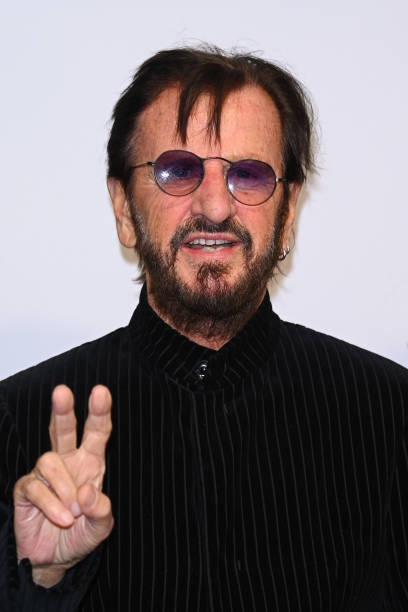
Relevance, when stripped of spectacle, becomes a matter of resonance. Does the music still feel true? Does it still hold emotional weight? Does it meet listeners where they are, rather than demanding they return to where they once were?
For Ringo Starr, the answer appears to be yes.
He does not compete with the speed of contemporary culture. He does not attempt to outpace it. Instead, he moves at the tempo that has defined him for decades — steady, grounded, rhythmic. And that steadiness has proven more durable than many louder approaches.
The idea that longevity equals repetition misses the point. Ringo’s staying power is not about replaying old moments. It is about the durability of tone — the sense that when his voice enters a room, it carries with it a certain calm. A certain openness.
In a world that rewards constant reinvention, there is something radical about remaining recognizable.
If the measure of relevance is melody and meaning — if it is warmth, honesty, and emotional clarity — then Ringo Starr has not merely endured. He has remained.
And sometimes, remaining is the most powerful statement of all.