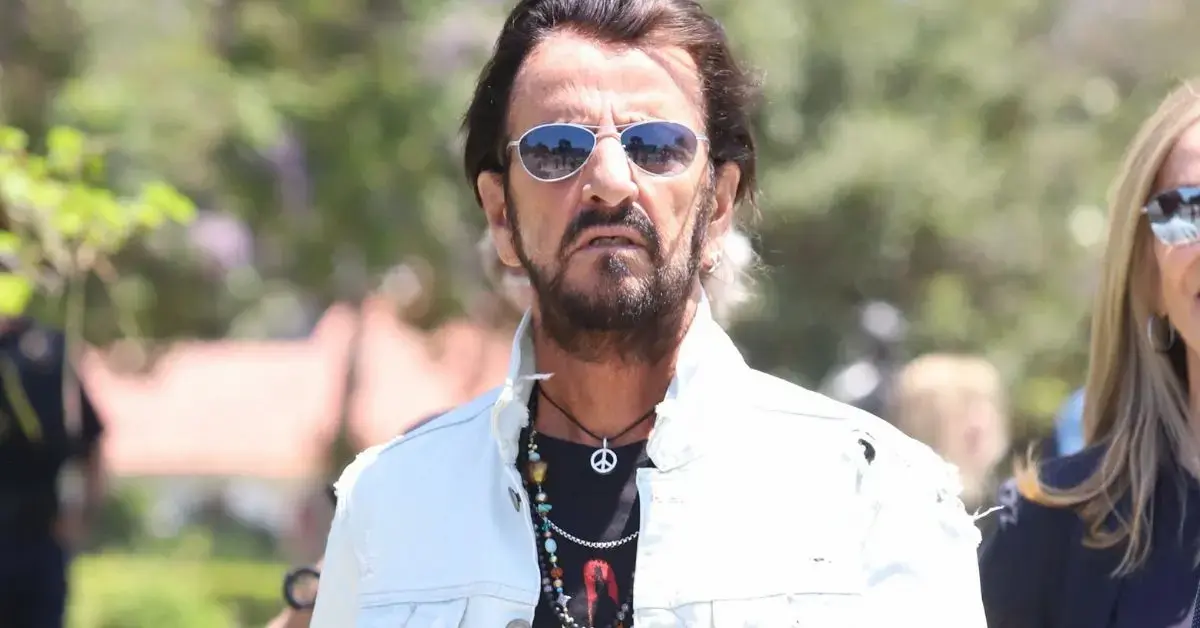
For decades, “With a Little Help from My Friends” has been heard as a warm chorus of reassurance — a melody people lean into at concerts, a line that feels almost instinctive to sing. But this week, the song stepped into a different space.
Ringo Starr has granted permission for the track to be used in a video addressing ICE-related immigration issues, and the decision has prompted both curiosity and conversation. The song, long associated with unity and shared experience, is now being placed alongside images and narratives tied to one of the most charged political debates in the country.
The pairing is deliberate.
“When I get by with a little help from my friends” has always suggested solidarity, but in this new context, it carries sharper edges. The video reframes the lyric as a broader question: who gets help, who is offered belonging, and who is left outside of it?
Ringo’s approval signals something familiar about his approach to public life. He has rarely positioned himself as a confrontational political voice, yet he has consistently aligned himself with themes of peace, compassion, and community. His music does not thunder. It invites.
That invitation now lands inside a contentious national moment.
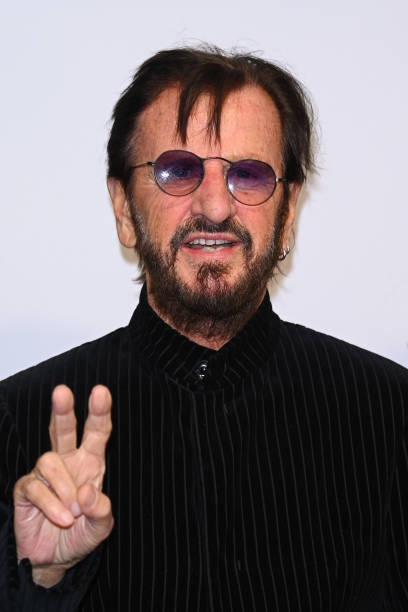
ICE-related policies and immigration enforcement have been a source of intense debate in recent years, dividing communities and shaping headlines. By allowing one of his most recognizable songs to accompany that conversation, Ringo is not rewriting its meaning — he is extending it.
The original spirit of the track was never about spectacle. It was about connection. Sung in a voice that felt conversational rather than commanding, the song framed support as essential rather than optional. In the context of immigration, that idea resonates differently. It asks whether the concept of “friends” can stretch beyond the familiar.
There is a quiet boldness in that choice.
Artists have long wrestled with how — or whether — to let their music enter political spaces. Some resist, wary of oversimplification. Others embrace it, believing that songs do not exist in isolation from the world that hears them. Ringo’s decision places him in the latter camp, though in a manner consistent with his understated style.
He has not delivered fiery speeches. He has not framed the move as defiance. Instead, the song itself does the work. Its melody remains unchanged. Its chorus still rises with warmth. But the images beneath it alter the emotional weight.
Decades after its release, the track demonstrates how meaning evolves. What once sounded like a simple affirmation of friendship can, in another era, echo as a commentary on inclusion and shared humanity. The shift does not erase the original sentiment. It amplifies it.

Reactions have been varied. Supporters view the choice as an extension of the song’s core message — that strength is communal. Critics question whether music so closely tied to nostalgia should enter modern political discourse. Yet the discussion itself underscores a truth about enduring art: it rarely stays confined to its first interpretation.
Ringo Starr’s voice has always carried a tone of gentle conviction. It does not demand attention; it holds it. In lending that voice to this moment, he reinforces a belief that has followed him from the earliest days of his career — that music can bridge where rhetoric divides.
In a debate defined by volume and urgency, the chorus lands with unexpected softness.
With a little help from my friends.
The line does not resolve policy. It does not simplify complexity. But it reframes the conversation in human terms.
And in times of tension, sometimes that shift is the beginning.