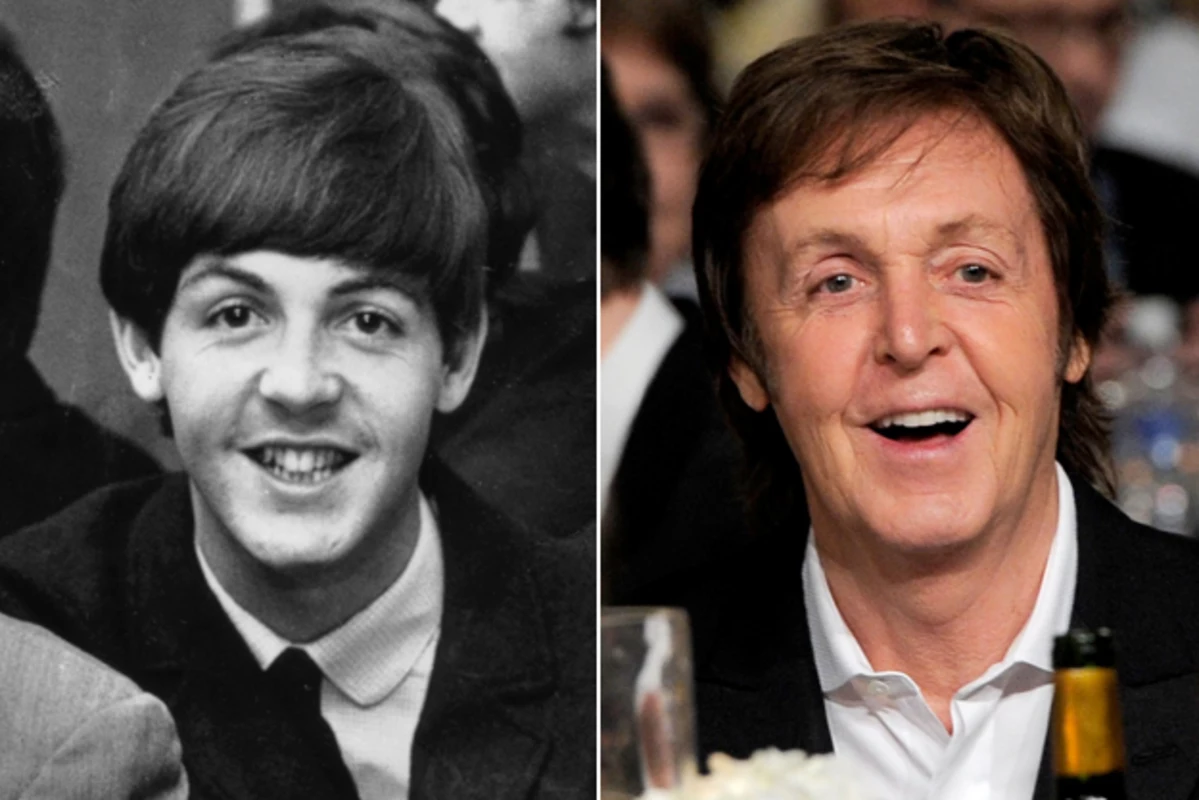
In an era where attention spans shrink and musical trends rotate at dizzying speed, the question surfaces with surprising frequency: who is still listening to Paul McCartney in 2026? The answer, it turns out, is more expansive than skeptics might expect.
Step into any arena he plays and the evidence is immediate. The audience is not confined to one generation. There are fans who bought Beatles records in the 1960s standing beside listeners who discovered him through streaming playlists decades later. The response is not polite nostalgia. It is active, loud, and deeply engaged.

What explains that endurance? Part of it lies in the architecture of his songwriting. McCartney’s melodies are structurally strong — built to last beyond the era that produced them. “Hey Jude” still triggers communal singing. “Let It Be” continues to function as a quiet anthem in uncertain times. “Maybe I’m Amazed” retains its emotional vulnerability without sounding dated. These songs are not frozen in history; they remain usable.
The modern music landscape rewards immediacy. Viral hooks. Algorithm-driven discovery. Rapid turnover. Yet McCartney’s catalog operates differently. It depends less on momentum and more on emotional permanence. Listeners return not because they are instructed to, but because the music still feels personal.
There is also the matter of performance. Even in his eighties, McCartney does not present himself as a relic revisiting former glory. He walks on stage with the same left-handed bass, the same direct posture, and trusts the material. That consistency sends a subtle message: relevance is not always about reinvention. Sometimes it is about reliability.
Critics occasionally frame legacy artists as symbolic rather than essential. But packed venues and sustained streaming numbers suggest something more tangible. People are not simply honoring history. They are choosing to engage with it. That distinction matters.

Perhaps the better question is not who is still listening — but why they are still listening. The answer seems rooted in connection. His songs address love, doubt, reconciliation, hope. Themes that do not expire. In a culture that moves quickly, music that offers stability can feel radical.
In 2026, Paul McCartney’s relevance is not measured by controversy or spectacle. It is measured by voices still singing along. By listeners pressing play without irony. By melodies that continue to circulate naturally through daily life.
And if that is the metric, he has never left the conversation.