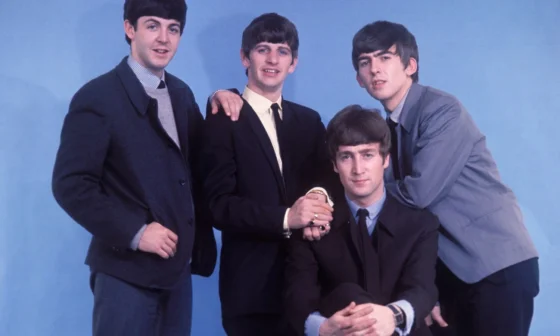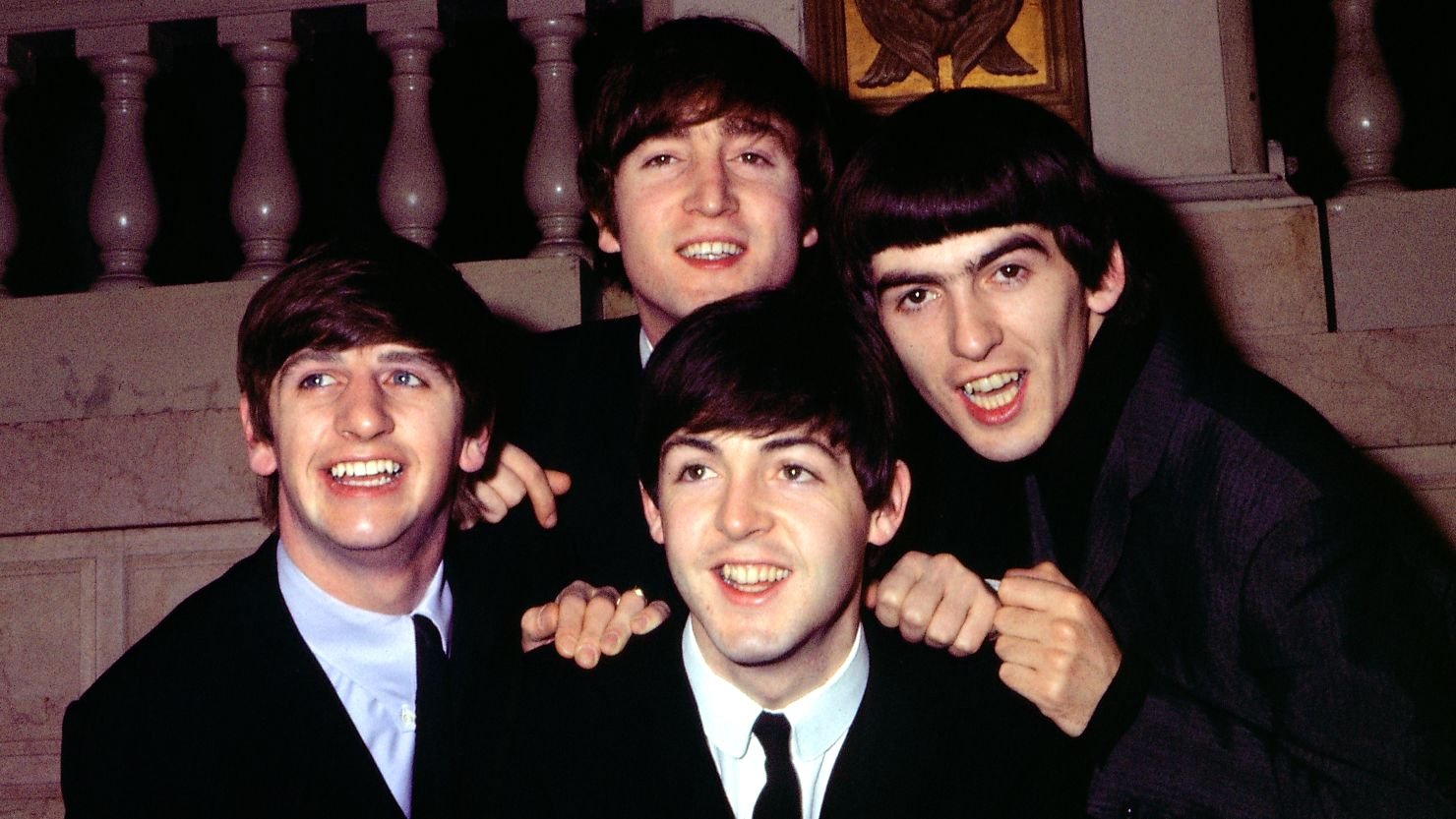
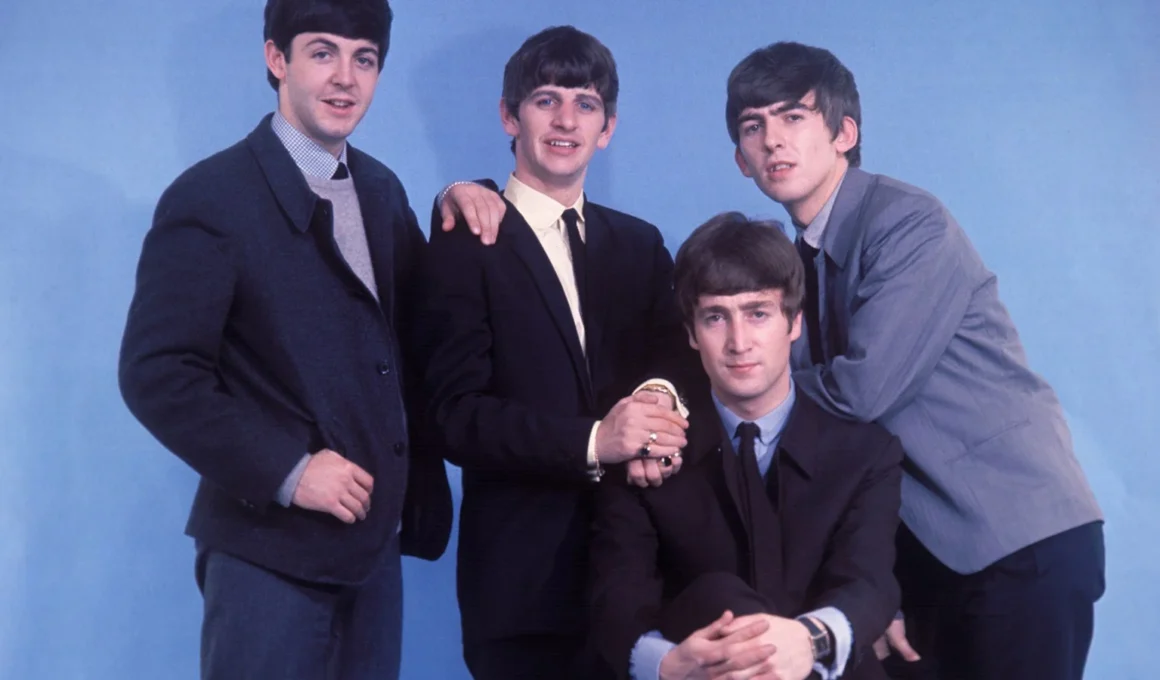
In 2026, The Beatles do not feel archived. They feel active.
Their music does not surface merely as background nostalgia or curated revival. It arrives in living rooms, in car radios, in streaming playlists not because people are revisiting youth, but because the songs still meet something current inside them. “Let It Be” continues to offer comfort that feels immediate rather than inherited. When “Hey Jude” builds toward its final chorus, strangers still find themselves singing together without irony. And when “Here Comes the Sun” begins, the opening notes still resemble light moving through shadow.
What separates endurance from memory is usefulness. The Beatles remain useful.

Their strength was never confined to record sales or cultural hysteria. It was rooted in songwriting — in the architecture of melody paired with meaning. Their compositions balanced accessibility with emotional precision. Lines that sounded simple carried layered resonance. Harmonies that felt effortless were carefully shaped to hold both intimacy and scale.
They evolved quickly, sometimes restlessly. From early pop structures to studio experimentation, from bright harmonies to introspective confession, they moved with curiosity rather than fear. Yet beneath those shifts, something human remained intact. The songs never detached from feeling. Even at their most ambitious, they retained warmth.
In an era where trends accelerate and attention fragments, that steadiness feels increasingly rare. Music now often competes for immediacy, engineered to capture seconds rather than sustain decades. The Beatles’ catalog moves differently. It does not rush to explain itself. It does not rely on novelty. It lingers.
Part of their ongoing presence lies in emotional universality. Themes of doubt, hope, reconciliation, longing, and resilience continue to cycle through generations. The details may change — the technologies, the social landscapes — but the core experiences remain familiar. The Beatles wrote about them with clarity rather than abstraction.
That clarity translates across time.

Younger listeners encounter the music not as historical artifact but as discovery. For them, the songs are not relics. They are new arrivals. The melodies feel unburdened by context; the emotions land without explanation. Meanwhile, older audiences return not simply to remember, but to reconnect.
There is also a communal quality embedded in their work. The final chorus of “Hey Jude” still transforms crowds into collective voices. “Let It Be” still invites reflection without prescribing it. The music allows space — for grief, for optimism, for quiet strength.
That space is why it persists.
Cultural relevance often depends on reinvention. The Beatles’ relevance depends on recognition. Listeners hear themselves in the songs. Not because the world hasn’t changed, but because certain truths have not.
In 2026, their presence is not maintained by marketing cycles or anniversary editions alone. It is maintained by resonance. By the way a melody still settles into the air as if it were written yesterday. By the way lyrics continue to feel personal, even when sung by millions.
Some music fades because it is tethered too tightly to its moment.
Theirs was anchored in something broader.
And so it remains — not as memory, but as companion.