More than half a century after they reshaped popular music, John Lennon and Paul McCartney continue to shape public conversation—this time not through melody, but through memory. A resurfacing of their reflections on class, conflict, and power has sparked renewed debate about how societies become divided and who ultimately benefits.
While Lennon was often the more overtly political of the two, the broader message they shared—sometimes in interviews, sometimes in lyrics—suggested a common concern: ordinary people are frequently turned against each other while larger systems remain intact.
Lennon’s Unfiltered Warnings
John Lennon never shied away from speaking plainly. Throughout the late 1960s and 1970s, he expressed frustration with what he saw as manipulation by political and economic elites. He argued that working people were often persuaded to fight wars, adopt partisan hostility, or accept economic hardship—while those at the top faced little personal cost.

His belief was simple but provocative: most individuals do not inherently desire conflict. Instead, narratives shaped by those in power can redirect fear and anger horizontally—toward neighbors, political opponents, or foreign populations—rather than upward toward institutions.
Lennon’s statements were controversial at the time. They remain so today.
McCartney’s Measured Perspective
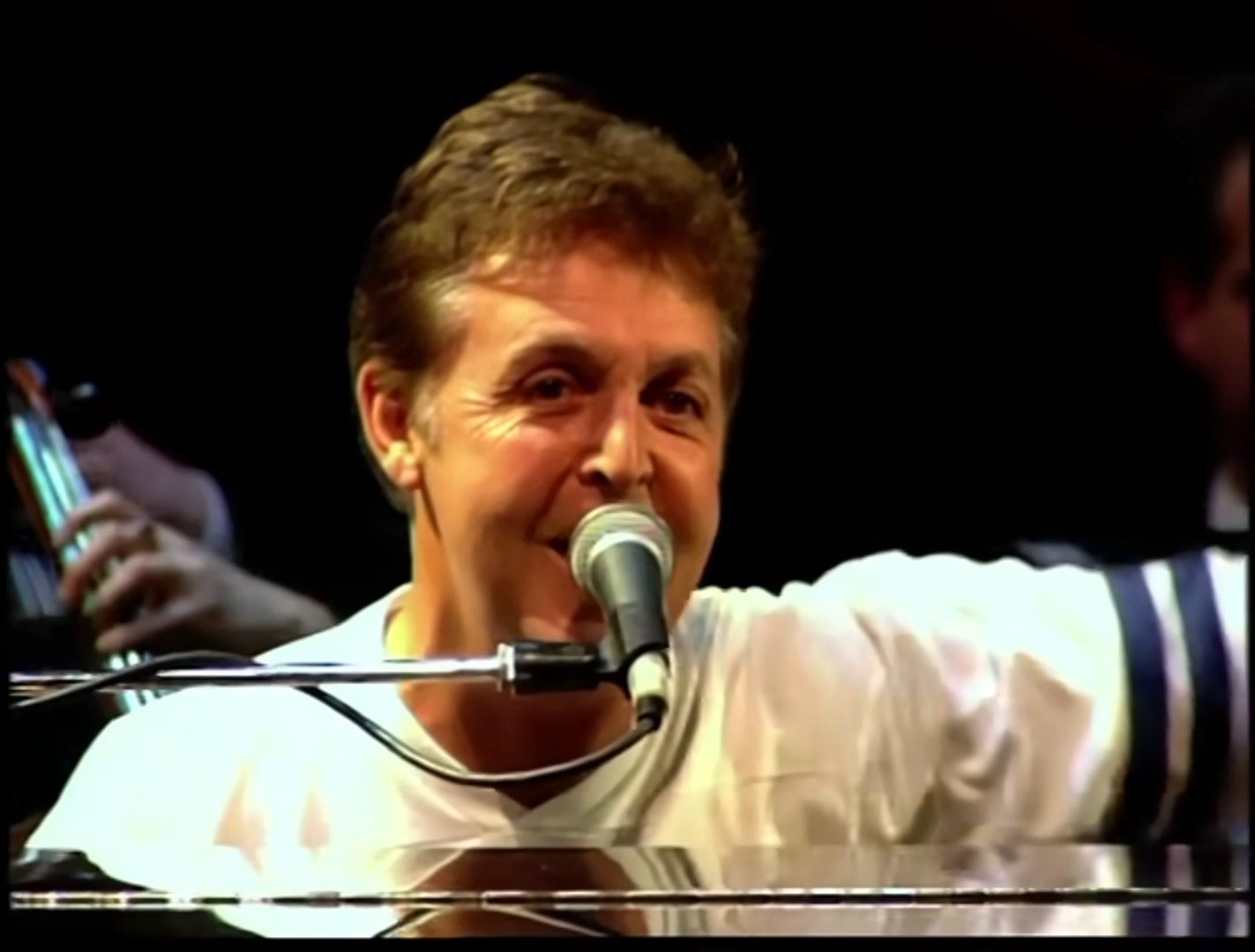
Paul McCartney approached social commentary differently. Less confrontational in tone, he often emphasized unity and empathy rather than direct critique. Yet in interviews over the decades, McCartney has also acknowledged concerns about widening class gaps and the erosion of common ground.
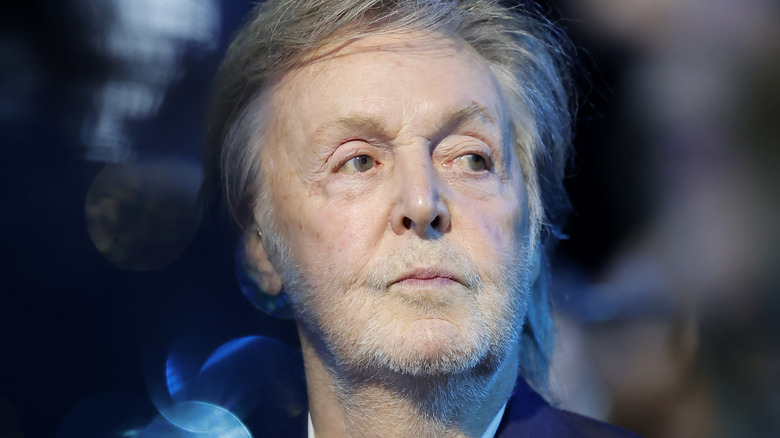
Rather than framing the issue as confrontation, McCartney has tended to focus on the cultural cost of division. He has spoken about the importance of shared humanity and the danger of losing sight of common interests in an atmosphere dominated by outrage.
Different voices. Different temperaments. But beneath the stylistic contrast lay a similar unease about systems that thrive on separation.
The Enduring Question of Manipulation
The idea that working populations are steered into conflict is not new. Political scientists and historians have long debated the ways economic inequality, media framing, and political rhetoric influence public behavior. Lennon’s perspective distilled that academic discourse into blunt, accessible language.
Today, in an era of algorithm-driven media and rapid information cycles, the question feels newly urgent. Social platforms amplify outrage at scale. Narratives travel instantly. The line between civic engagement and manufactured polarization can blur quickly.
Observers note that the dynamic Lennon described—anger directed laterally instead of vertically—remains a subject of contemporary analysis.
Why the Message Feels Current
In recent years, discussions about economic disparity, institutional trust, and political polarization have intensified across many democracies. Rising living costs, widening wealth gaps, and global tensions have heightened anxieties. In that climate, quotes from Lennon and reflections attributed to McCartney resurface with renewed relevance.
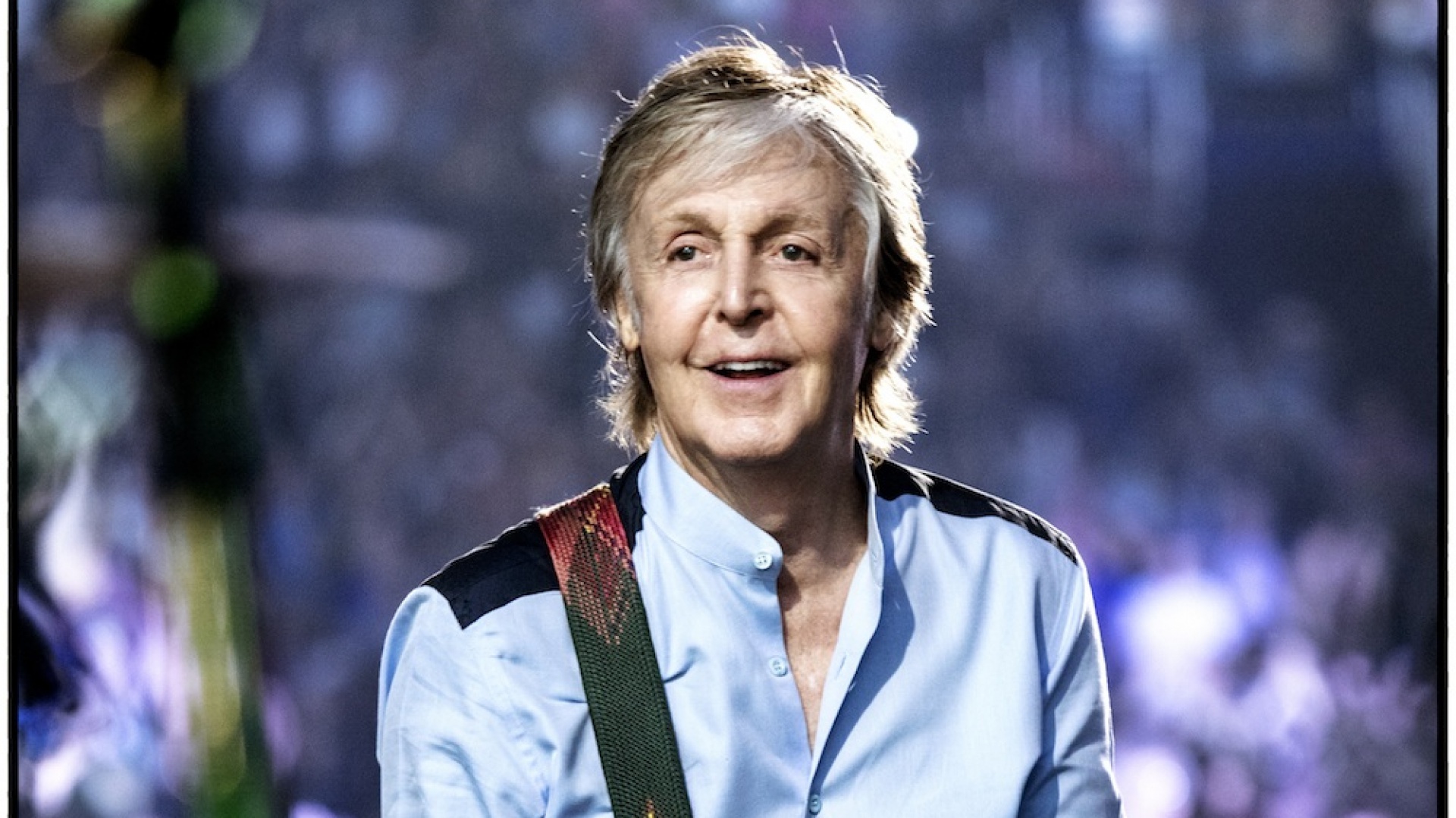
For some, their words serve as reminders to pause and examine who benefits from division. For others, they represent oversimplification of complex geopolitical realities. The divide in reaction mirrors the very tension their statements address.
Artists as Civic Voices
The broader conversation also touches on the role of artists in political discourse. Should musicians speak on governance and economic systems? Historically, many have done so—from protest folk singers to rock icons and contemporary pop stars.
Lennon and McCartney’s legacy complicates that question. As members of one of the most influential bands in modern history, their words carried unusual weight. When cultural figures of that magnitude express political views, the impact extends beyond entertainment.
Critics argue that celebrity commentary risks reducing nuanced debates to slogans. Supporters counter that artists are citizens with platforms, and that cultural influence has always intersected with political movements.
Solidarity or Simplification?
At the core of the resurfaced commentary lies a call for solidarity. The idea is not that disagreements should vanish, but that citizens should question whether they are being positioned against one another in ways that distract from systemic accountability.
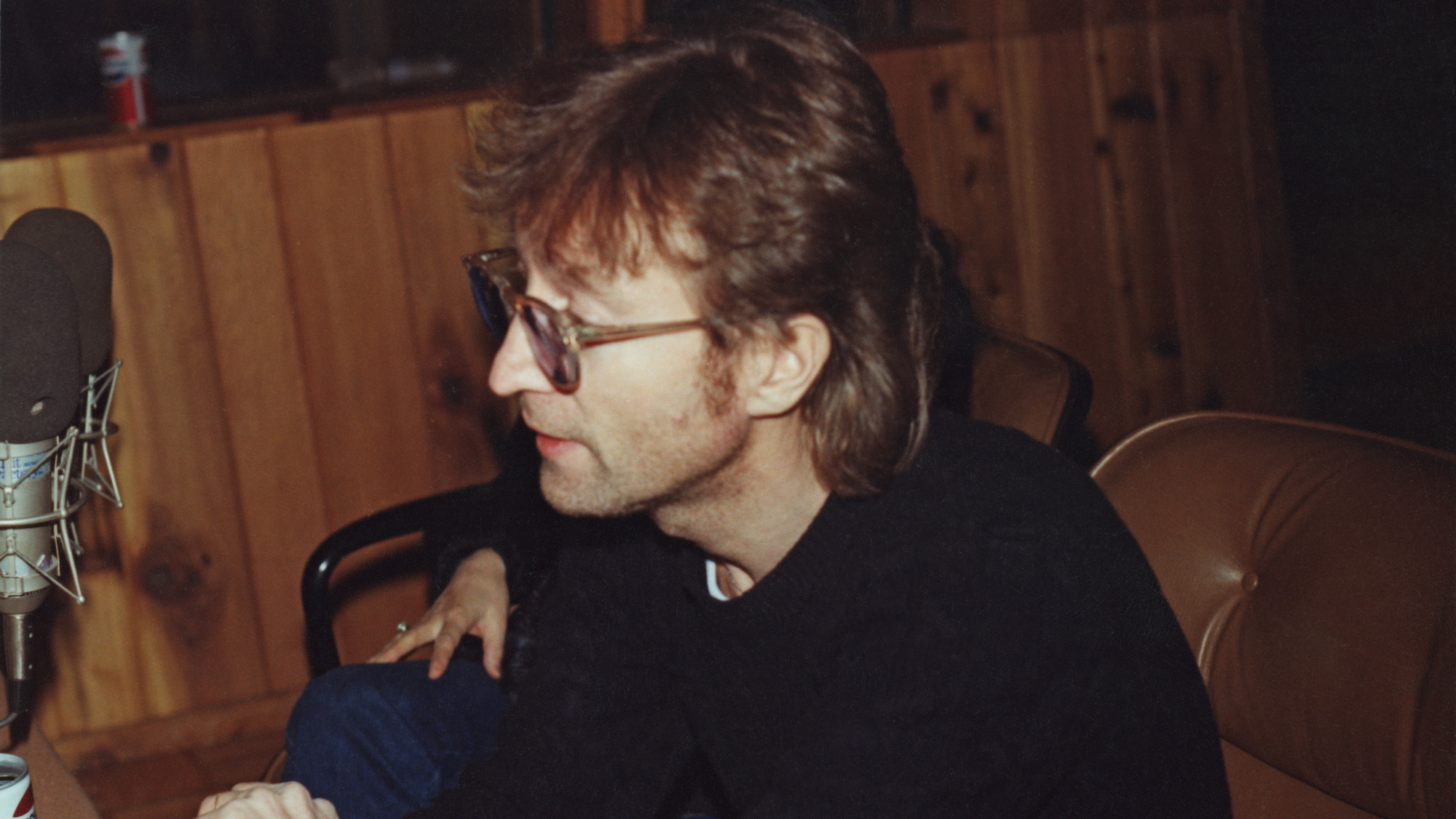
Whether one agrees with Lennon’s framing or prefers McCartney’s gentler appeals to unity, the underlying concern remains the same: division can be profitable—for someone.
That premise invites readers and listeners to examine their own sources of information and their reactions to political narratives. It asks not for blind agreement, but for awareness.
A Conversation That Continues
Decades after The Beatles disbanded, Lennon and McCartney’s cultural influence endures. Their music remains embedded in global consciousness. Their words, meanwhile, continue to spark debate.
The resurfacing of these perspectives does not settle arguments about class, power, or responsibility. It does something subtler: it reopens the conversation.
In a world where outrage often outpaces reflection, the enduring relevance of their message may lie not in its certainty, but in its provocation. It challenges audiences to consider whether conflict is inevitable—or whether it is, at times, encouraged.
As history unfolds, the questions they raised remain unresolved. And perhaps that is why their voices still echo: not because they offered final answers, but because they asked who truly benefits when we turn on each other.