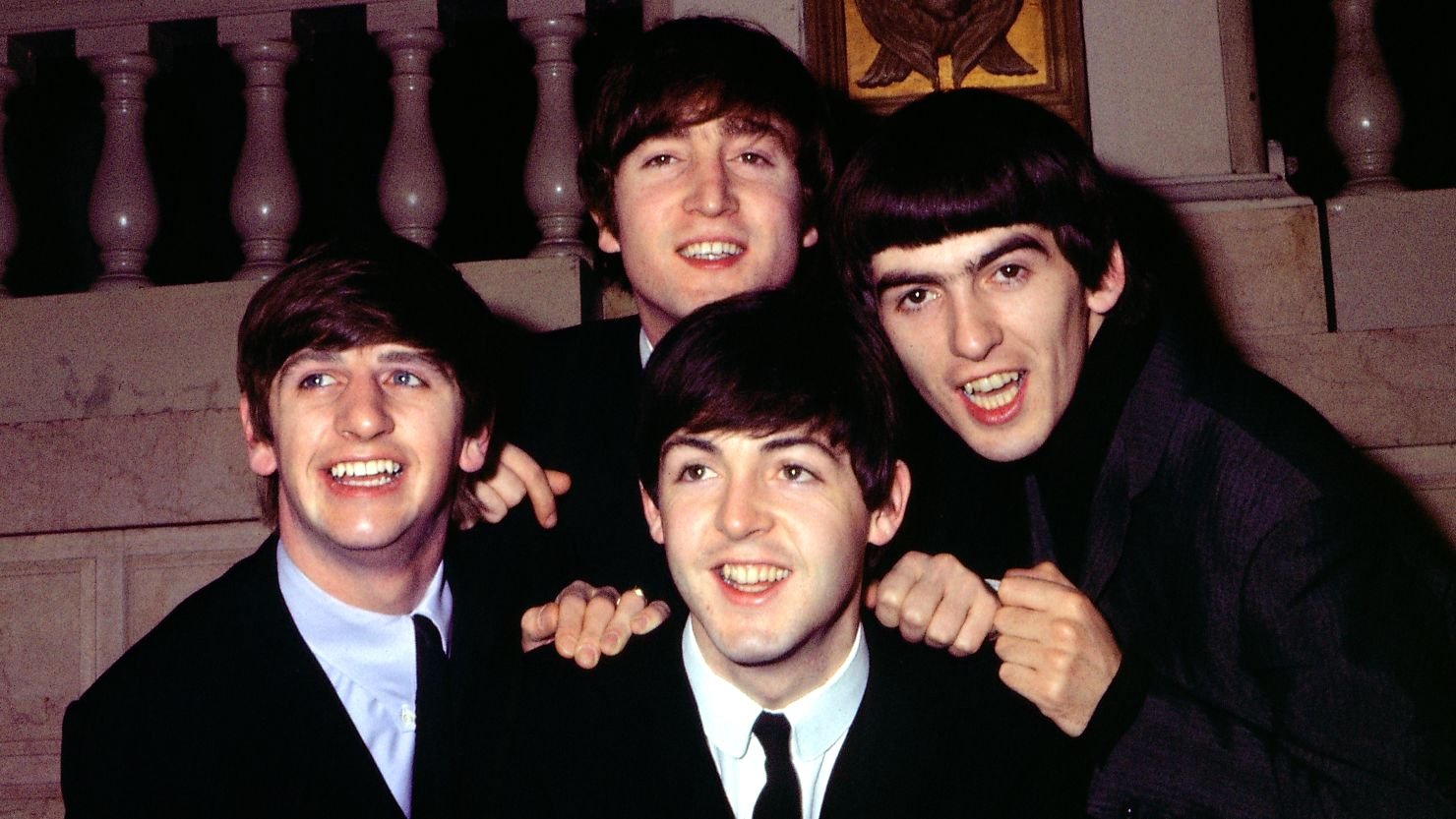
Decades have passed since The Beatles first changed the face of popular music, yet their songs remain startlingly present. In 2026, listening to tracks like In My Life, Come Together, or Something doesn’t feel like flipping through a dusty scrapbook. It feels like stepping into a conversation that’s happening right now—one that understands you, no matter who you are or where you are in life.

Take In My Life. Its melody, simple yet profound, doesn’t feel tied to the 1960s; it feels personal, a reflection on love, memory, and the passage of time that resonates with anyone experiencing life’s complexities. Each note carries the intimacy of a conversation with a close friend, making listeners feel seen rather than transported backward.
Come Together, with its rhythmic pulse and catchy hooks, still commands attention. The song’s energy doesn’t age—it lands, effortlessly connecting with listeners whether they first heard it on vinyl or streaming today. Its groove, wit, and playful darkness feel immediate, proving that good music doesn’t follow trends—it sets them.
Then there’s Something, George Harrison’s heartfelt masterpiece. Its sincerity hasn’t faded; if anything, it’s more striking now. Listeners can feel the honesty in every line, a testament to how the emotional truth in music transcends time. What was groundbreaking decades ago remains moving today, and perhaps even more relatable to those navigating love and life in the modern world.
What makes The Beatles remarkable is their ability to write songs that are deeply human. While styles and technology have changed, their music continues to meet listeners where they are emotionally. They weren’t just innovators in sound—they were chroniclers of universal feelings: love, longing, joy, confusion, and hope. That universality allows their music to remain alive, relevant, and astonishingly fresh.
Even new generations, far removed from the context in which the band first rose to fame, connect with these songs. Teenagers streaming their albums today experience the same emotional resonance as fans who first heard them on radio broadcasts or early vinyl pressings. The Beatles’ music doesn’t feel like history; it feels like life happening in real time.
In a world constantly chasing novelty, The Beatles prove that authenticity endures. Their legacy isn’t just preserved in museums or biographies—it exists in the living experience of each listener. Every chord, every lyric, every harmony reminds us why these songs are not only remembered, but felt.
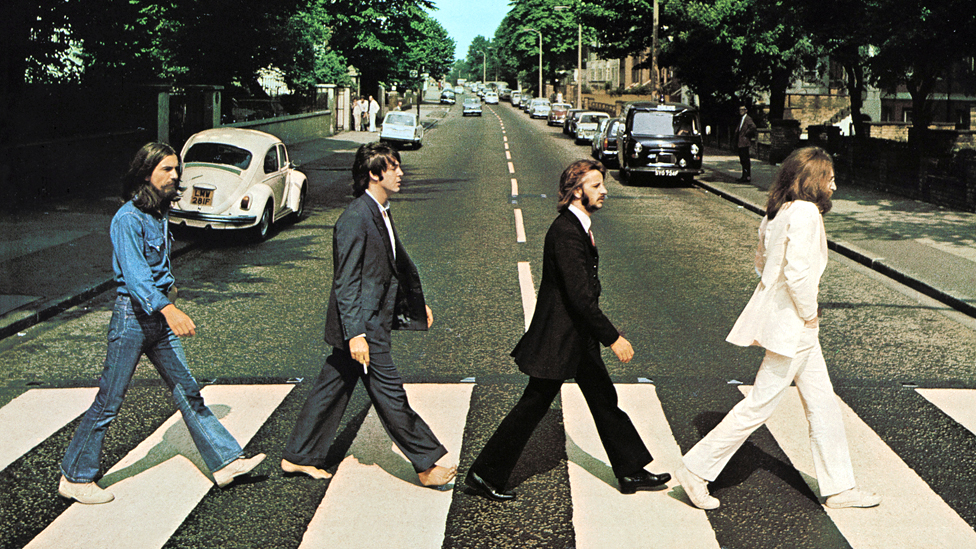
Listening to The Beatles in 2026 is a reminder that truly great music is timeless. It doesn’t belong to one era, one generation, or one moment. It belongs to everyone who listens and feels it. And for those willing to stop and listen closely, their songs still have the power to meet us exactly where we are.