
For most artists, a career spanning more than six decades would already feel like a full circle. Stadiums filled, records broken, songs etched permanently into cultural memory. Yet for Paul McCartney, the story continues to unfold — and his latest announcement makes that unmistakably clear.
At an age when many musicians have long stepped away from the demands of global touring, McCartney has revealed plans for a brand-new world tour, surprising fans and reigniting excitement across continents. The announcement quickly spread through music communities and social media, with longtime followers expressing both admiration and curiosity: how does an artist with such an immense legacy continue to move forward with the same energy that defined his earliest performances?
For McCartney, the answer appears to be simple. The stage is still where the music feels most alive.
Throughout his career, he has spoken about the unique connection created when thousands of people sing the same lyrics together. Songs that were once written quietly on a piano or guitar become shared experiences in vast arenas. That exchange between performer and audience has remained the heartbeat of his live shows.

The upcoming tour promises to carry that tradition forward while also presenting familiar music in new ways. Early details suggest that audiences can expect reimagined arrangements of many of McCartney’s most beloved songs — from Beatles classics to solo work and material from his years with Wings. Rather than recreating recordings exactly as they were first heard, the performances will reinterpret them with fresh musical textures.
Members of the production team say the stage design will combine orchestral elements with modern visual storytelling. Large-scale lighting, cinematic backdrops, and carefully arranged musical transitions are expected to create a show that feels both nostalgic and contemporary.
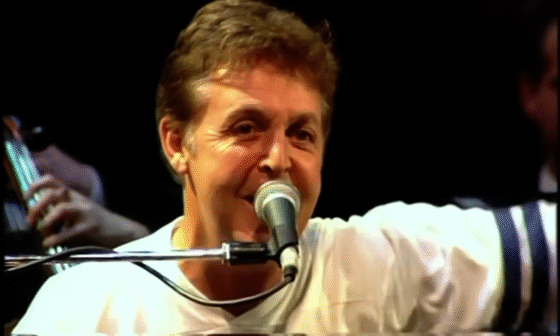
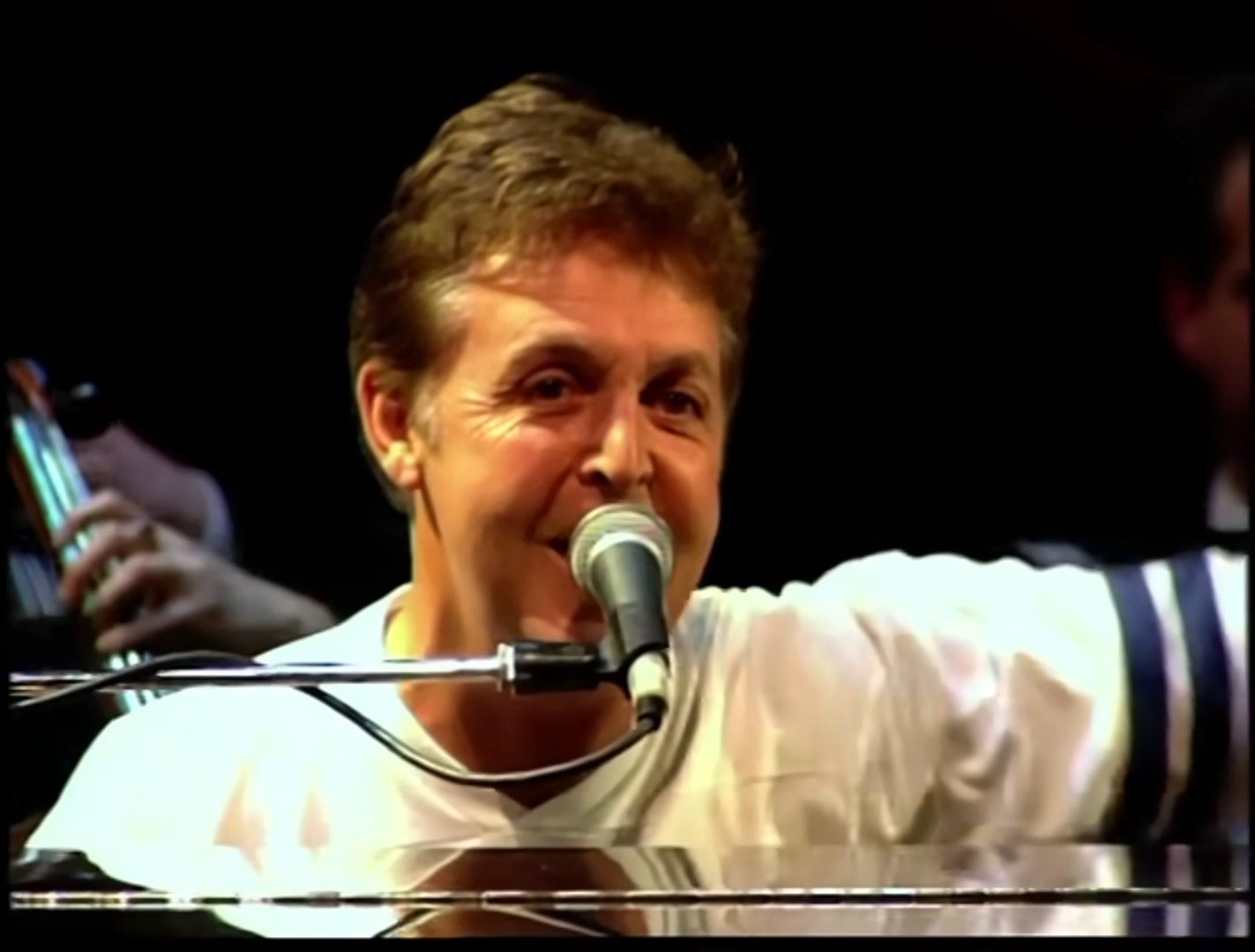
But the heart of the tour will remain McCartney himself — standing at the microphone with a guitar or his iconic Höfner bass, guiding audiences through a catalog that has shaped generations.
Songs such as “Hey Jude,” “Let It Be,” “Maybe I’m Amazed,” and “Live and Let Die” have long been staples of his concerts. For many fans, hearing them performed live carries a significance that extends beyond entertainment. The music becomes part of personal memory: first concerts, shared family moments, milestones marked by melodies that feel almost universal.
Sources close to rehearsal sessions say McCartney has approached preparation for the tour with the same dedication that has defined his career. Musicians and crew members have described an atmosphere of enthusiasm rather than routine. Despite the scale of his achievements, he reportedly continues to treat rehearsals as creative spaces where arrangements can evolve and new ideas can emerge.
At one point during preparation, according to those present, McCartney reflected briefly on the extraordinary span of his career — from the early days of The Beatles to the global stages he continues to command today. Yet instead of sounding reflective or nostalgic, his tone reportedly carried a sense of forward momentum.

“I’m not finished yet,” he said.
The statement, though simple, captures something essential about McCartney’s approach to music. Rather than viewing his legacy as a completed chapter, he appears to see it as an ongoing process — a conversation between past songs and present audiences.
That mindset has long been one of the reasons his performances remain compelling even after decades in the spotlight. Where some veteran artists focus on preserving history, McCartney often treats the stage as a living space where music continues to evolve.
For fans around the world, the upcoming tour represents more than a chance to hear familiar songs again. It offers an opportunity to witness an artist who has shaped modern music still actively shaping his own story.
In a cultural landscape that constantly searches for the next new voice, McCartney’s enduring presence serves as a reminder that creativity does not follow a strict timeline.
Sometimes the most powerful moments come from artists who simply refuse to stop.
And if his latest announcement is any indication, Paul McCartney still has more songs — and more stages — ahead of him.