More than four decades after the death of John Lennon, stories about the legendary musician still surface and spark new conversations among fans. One such moment has returned to the spotlight after Paul McCartney shared a memory from the days following Lennon’s death in 1980.
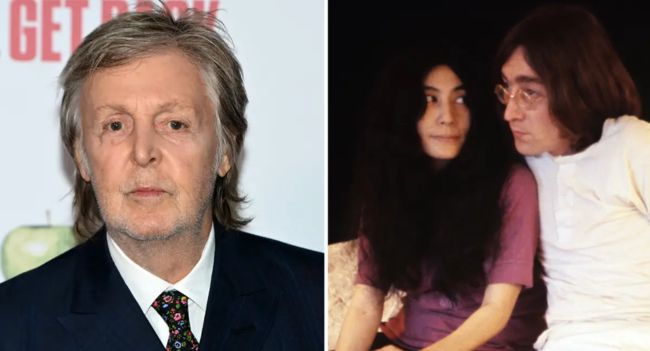
The recollection centers on a phone call McCartney says he received from Yoko Ono, Lennon’s partner and artistic collaborator. According to McCartney, the conversation took place shortly after Lennon was killed in New York City, a time when friends, family, and fans around the world were struggling to absorb the shocking news.

In interviews reflecting on that period, McCartney has described how the call left a strong impression on him—not only because of the grief surrounding Lennon’s death, but also because of a comment Ono reportedly made during their conversation.
McCartney recalled that Ono shared a personal thought about Lennon’s sexuality, suggesting that Lennon might have been gay or had questions about his identity. The remark, McCartney said, caught him by surprise at the time.
The moment was delicate and deeply personal. Lennon had been one of McCartney’s closest friends and creative partners, and the two had spent years writing songs and performing together as members of The Beatles. Their collaboration produced some of the most influential music of the twentieth century, shaping the sound of modern popular culture.
Faced with Ono’s unexpected comment, McCartney later explained that he responded thoughtfully but cautiously. According to his recollection, he told her that Lennon had never expressed anything like that to him during their years together.
At the same time, McCartney acknowledged that no one can fully know another person’s inner life. His response suggested both surprise and a sense of respect for the complexity of Lennon’s personality.
The story has resurfaced recently as fans rediscover older interviews and discussions online. In today’s digital landscape, clips and quotes from decades-old conversations can quickly circulate again, reaching new audiences who may not have heard them before.
That renewed attention has sparked debate among Beatles fans. Some listeners see the story as a glimpse into the private conversations that followed Lennon’s death, offering insight into how those closest to him processed their grief and memories.

Others feel that deeply personal topics—especially ones raised in private conversations—are difficult to revisit so many years later.
Still, the discussion highlights the enduring fascination with Lennon’s life and legacy. As both a musician and cultural figure, he often explored themes of identity, relationships, and personal honesty in his work. Songs from his solo career frequently reflected his inner struggles and evolving worldview.
McCartney’s recollection, whether surprising or thought-provoking to modern audiences, ultimately underscores the deep and complicated bond he shared with Lennon.
:max_bytes(150000):strip_icc():focal(674x316:676x318)/yoko-ono-john-lennon-021023-3-5400226f688643aebafe300619867cb1.jpg)
The two musicians met as teenagers in Liverpool and went on to form one of the most influential songwriting partnerships in history. Even after The Beatles disbanded in 1970, their connection continued to shape how fans understood the band’s story.
Today, as memories like this resurface, they remind listeners that behind the legendary songs were real people navigating friendship, fame, and loss.

And for many Beatles fans, any new glimpse into those relationships—even decades later—continues to hold a powerful emotional weight. 🎶