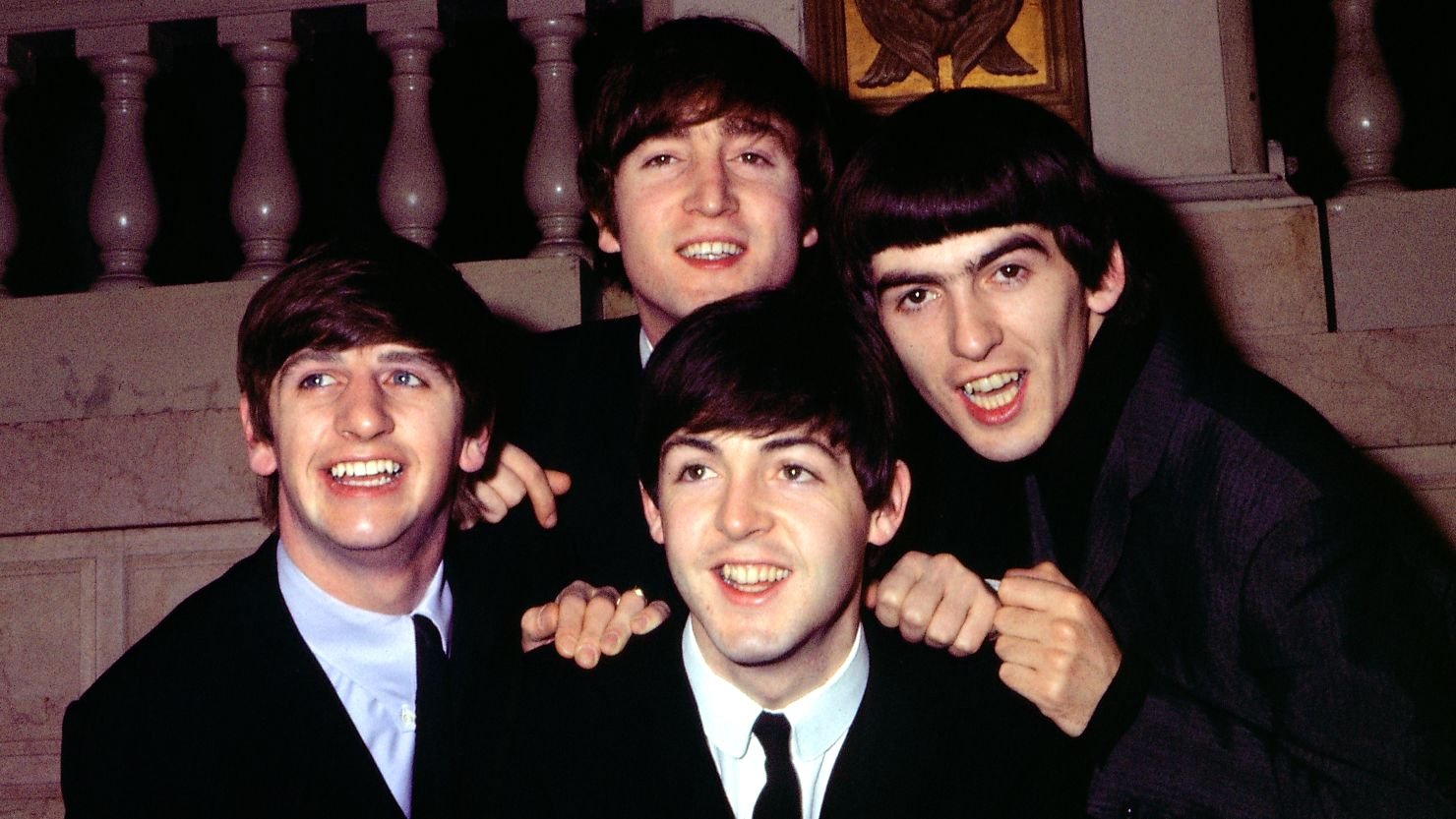
In a music world driven by streaming numbers, viral clips, and constantly shifting trends, it might seem surprising that a band formed more than sixty years ago still commands such attention. Yet the influence of The Beatles remains unmistakable in 2026.
Their songs continue to play in living rooms, cars, cafés, and headphones around the world. For some listeners, the music carries memories of youth. For others, it’s a discovery that feels unexpectedly fresh — proof that great songwriting rarely fades with time.
The story begins in Liverpool, where four young musicians — John Lennon, Paul McCartney, George Harrison, and Ringo Starr — formed a band that would eventually reshape popular music. What started with energetic rock-and-roll performances soon evolved into something much bigger: a creative partnership that pushed the boundaries of songwriting, recording, and storytelling.
Part of their enduring appeal lies in the emotional simplicity of their songs. Tracks like Hey Jude and Let It Be carry messages that feel almost timeless — reassurance during difficult moments, encouragement during change, and the comforting idea that people are rarely alone in their feelings.
Those emotions continue to resonate with listeners today.
Streaming platforms have introduced the band to entirely new audiences. A teenager discovering the opening chords of “Hey Jude” through a playlist might feel the same sense of connection that someone experienced decades earlier while hearing it on the radio for the first time. The technology may have changed, but the emotional response often remains the same.
Music historians often point out that The Beatles succeeded not just because they wrote memorable melodies, but because they captured the spirit of their era while also reaching beyond it. Their songs explored love, curiosity, uncertainty, and hope — themes that remain universal regardless of the decade.
That universality is what allows their music to travel across generations.

Parents share their favorite Beatles tracks with their children, explaining where they first heard them. Grandparents pass down old vinyl records as small cultural treasures. In many families, the music becomes a kind of shared language, bridging age gaps with melodies everyone recognizes.
Younger fans are also finding fresh meaning in the band’s work. In an age where much of daily life happens online, the warmth and sincerity of their music can feel grounding. The songs aren’t tied to a specific trend or platform; they simply speak to emotions people still experience today.
Even the band’s creative experimentation continues to influence modern artists. Producers and musicians regularly reference Beatles albums when discussing studio innovation, songwriting craft, and the courage to try something different.
More than half a century after their peak, the band’s cultural footprint remains enormous — not because nostalgia keeps them alive, but because the music itself continues to feel genuine.
Perhaps that’s the real answer to why The Beatles still matter in 2026.
Their songs remind listeners that while technology, culture, and the industry may evolve, the feelings at the heart of music — love, longing, joy, and hope — stay remarkably the same. And as long as people continue searching for those emotions in sound, the music of The Beatles will likely keep finding new ears. 🎶