Three Voices, One Unforgettable Night: Il Volo Transforms Mexico City’s Auditorio Nacional Into a Moment of Musical Connection

il volo

When the lights dimmed inside the Auditorio Nacional in Mexico City, anticipation moved through the crowd like a quiet wave. Thousands of fans filled the historic venue, waiting for a trio that has built its reputation on blending classical tradition with contemporary emotion. When the first spotlight appeared and the members of Il Volo stepped onto the stage, the atmosphere shifted instantly.

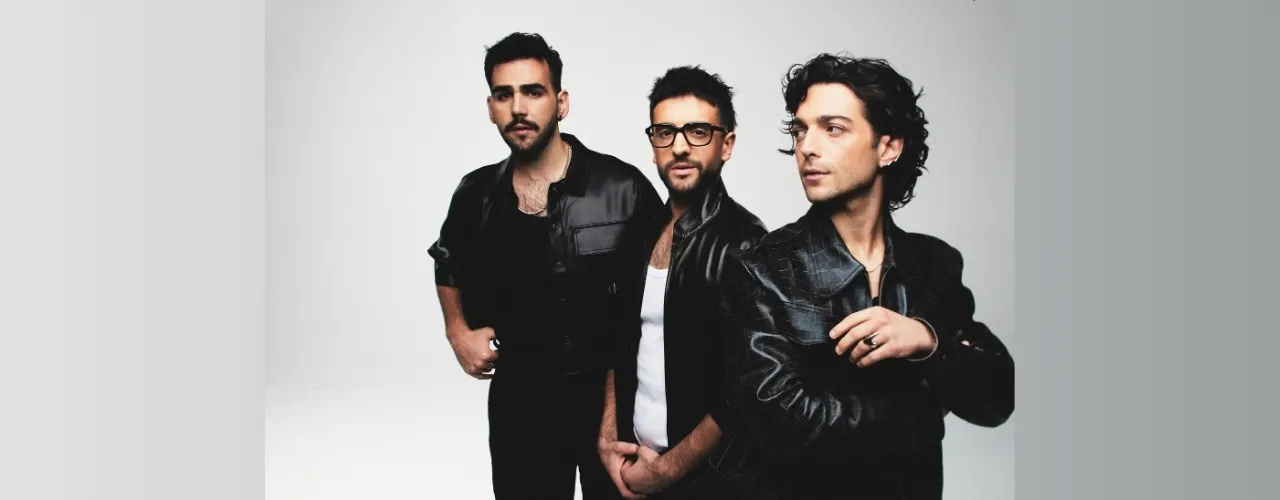
For the next two hours, Piero Barone, Ignazio Boschetto, and Gianluca Ginoble reminded the audience why their voices have captivated listeners across the world.

The trio opened the night with a sweeping orchestral arrangement that immediately showcased the strength of their vocal harmony. From the first note, the crowd was fully engaged. Some closed their eyes, letting the music wash over them. Others raised their phones to capture the moment, aware they were witnessing something special.

The performance felt less like a typical concert and more like a journey through emotion. Each song carried its own mood — moments of quiet tenderness followed by powerful crescendos that filled every corner of the hall. Il Volo’s signature sound, often described as “popera,” blends operatic technique with modern musical storytelling, and in a venue like Auditorio Nacional, the effect was striking.

What makes Il Volo unique isn’t only the technical ability of each singer but the way their voices complement one another. Barone’s strong tenor, Boschetto’s dramatic range, and Ginoble’s smooth, expressive tone create a balance that feels both grand and intimate. On stage, they move easily between powerful solos and perfectly timed harmonies, each singer stepping forward when the music calls for it.
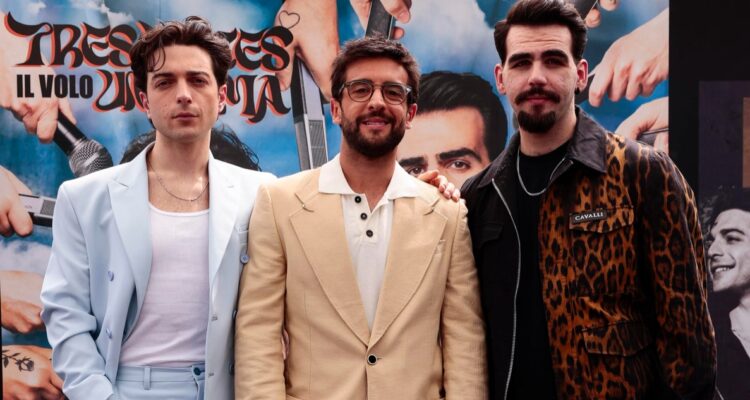
Il Volo en Chile: "Hemos crecido escuchando a Luis Miguel, José José y  Julio Iglesias" | Artes y Cultura | BioBioChile

Throughout the night, the trio connected warmly with the audience. Between songs, they shared smiles, jokes, and brief stories, creating a sense that the performance was a shared experience rather than a distant spectacle. The crowd responded with enthusiastic applause, sometimes rising to their feet before the final note had even faded.

One of the most memorable moments came during a slower ballad, when the orchestra softened and the singers allowed the melody to breathe. The hall fell almost completely silent, with thousands of listeners hanging on every word. In that moment, it was easy to understand why fans often describe Il Volo’s concerts as deeply emotional experiences.

Music critics often discuss technique, vocal control, and repertoire when evaluating artists like Il Volo. Yet nights like this demonstrate that the group’s real strength lies in their ability to create connection. Their music carries echoes of Italian musical heritage while remaining accessible to modern audiences around the world.

As the concert reached its final songs, the energy in the room grew even stronger. By the time the trio returned for their encore, the entire venue seemed united in applause and cheers.

When the last note faded and the lights slowly rose again, many fans remained in their seats for a moment, as if reluctant to let the experience end. For those who were there in Mexico City, the evening was more than just another stop on a tour.

It was a reminder that sometimes, three voices and a stage are all it takes to make time feel like it briefly stood still.

0 Shares:
Leave a Reply

Your email address will not be published. Required fields are marked *

You May Also Like
George Harrison
Read More

Nobody expected it. It was supposed to be a quiet tribute to George Harrison — Tom Petty singing softly, Dhani standing close, smiling like a son proud of his father’s memory. The air was calm, gentle, full of love. Then Prince stepped forward. One glance, one grin — and the whole room changed. He picked up his guitar and, for the next three minutes, time just stopped. Every note he played burned brighter than the last. He didn’t just perform — he possessed that stage. Tom froze mid-song. Dhani could only stare. And when Prince tossed his guitar into the air at the end, it never came back down. No one saw it fall. No one even looked away. Because for that moment, every soul in that room was already caught in the fire he left behind.

Prince’s Iconic Rock Hall Guitar Solo and the Rise of a New Guitar Virtuoso At the Rock & Roll…
Barry gibb
Read More

“THIS ONE’S FOR YOU, ROBIN AND MAURICE…” Barry Gibb left fans speechless when he called his son Stephen on stage during his 2014 Mythology Tour for a spine-tingling duet of the Bee Gees’ classic I’ve Gotta Get A Message to You. Touring without his brothers for the first time, Barry’s voice trembled with raw emotion, carrying decades of love, loss, and legacy. Stephen matched every note, proving that the musical torch had passed flawlessly to the next generation

A Heart-Stopping Tribute: Barry Gibb and Son Stephen’s Tearful Duet at the Hollywood Bowl That Left the Audience…
Beatles
Read More

“One Beatle refused to touch it. Another quietly reached back for John.” In 1984, more than a decade after The Beatles broke apart—and four years after John Lennon was gone—an unexpected remake brought old wounds back to the surface. Ringo Starr wouldn’t play on it. The pain was still too close. But Paul McCartney made a different choice. Time had softened the sharpest edges of the breakup just enough for him to sing those songs again—not as a Beatle, but as someone still carrying the weight of what was lost. Hidden inside the recording is a detail most listeners missed: Paul deliberately copied one of John’s old studio ad-libs, slipping it in quietly, almost imperceptibly. It wasn’t nostalgia. It was a private tribute—grief disguised as muscle memory, love hidden in plain sight. What sounded like a simple remake became something else entirely: a conversation across time between former bandmates who never got to say goodbye.

The 1984 Beatles Remake Ringo Starr Refused to Play on (And the Touching Way Paul McCartney Copied John…
paul
Read More

Paul McCartney returns to the moment he had to reinvent himself after The Beatles. Man on the Run doesn’t focus on stadium triumphs — it takes audiences back to the early 1970s, when doubt, pressure, and the weight of the Beatles legacy pushed Paul to the edge… and ultimately led to Band on the Run, the album that redefined his post-Beatles career. Featuring rare archival footage and an intimate perspective, the film reveals a Paul McCartney who was more vulnerable, more daring — and more creatively alive than ever.

Paul McCartney: Man on the Run Brings the Band on the Run Era to Theaters ID 185785973 ©…