From Laughter to Goosebumps: Colm Keegan and Keith Harkin Deliver a Celtic Thunder Moment Fans Never Forgot

Keith Harkin

Some of the most memorable live music moments begin in the simplest way — with a joke, a question, or a spontaneous exchange between performers and the crowd. One unforgettable performance from Celtic Thunder followed exactly that path, beginning with laughter before turning into something far more powerful.

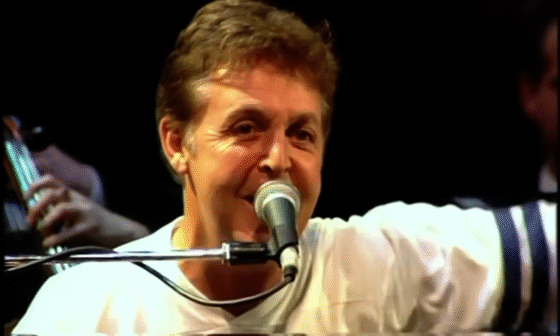
As the lights settled over the stage, Colm Keegan and Keith Harkin walked out with relaxed smiles and an easy confidence. Before any music began, they addressed the audience with a playful question: was anyone in the room from Ireland?

The response sparked immediate laughter and cheers. What followed was several moments of friendly banter as the two singers chatted casually with the crowd. Their humor and natural charm quickly broke down the usual barrier between performers and audience, making the large venue feel surprisingly intimate.

For longtime fans of Celtic Thunder, this kind of connection has always been part of the group’s appeal. While their concerts feature polished arrangements and dramatic stage productions, they also leave space for personality — moments where the singers interact naturally with the people who came to hear them.

On this night, that relaxed atmosphere set the stage for something special.

After the laughter faded, the tone shifted almost imperceptibly. A guitar chord rang out, and the room gradually settled into silence. What had moments earlier felt like a casual conversation transformed into the opening of a performance.

Keegan’s deep, resonant voice carried the first lines, steady and soulful. Soon after, Harkin joined in, his passionate tone weaving seamlessly alongside it. The blend of their voices created a harmony that filled the room without needing elaborate production or theatrical effects.

There were no flashing lights or grand visual elements — just two singers, a guitar, and a song delivered with sincerity.

That simplicity became the performance’s greatest strength. With nothing distracting from the music, every note felt more personal. Audience members listened closely, some swaying gently, others watching with the kind of quiet attention that only happens when a performance truly captures the room.

Moments like this highlight what makes live music unique. A song that listeners may already know can suddenly feel entirely new when performed with genuine emotion. The combination of Keegan’s rich tone and Harkin’s expressive delivery created a balance that resonated with the audience from the first verse to the final chord.

By the time the song ended, the atmosphere in the venue had changed completely from the lighthearted mood at the start. Applause erupted across the room, not just in appreciation of the music but in recognition of the journey the performers had taken the audience on.

Fans of Celtic Thunder often point to this performance as one of the group’s most memorable moments on stage. It perfectly captured the spirit that has made the ensemble beloved worldwide: a blend of Irish musical tradition, vocal harmony, and genuine connection with the audience.

What began with a simple question — “Anyone here from Ireland tonight?” — ended as a reminder of why live performances matter. Sometimes, all it takes is a bit of humor, a guitar, and two voices singing from the heart to create a moment people remember for years.


0 Shares:
Leave a Reply

Your email address will not be published. Required fields are marked *

You May Also Like
Toby Keith
Read More

THIS WAS THE SONG TOBY KEITH DIDN’T SING TO STAY. People remember Toby Keith as the loud one. The flag-waver. The barroom storyteller who never backed down and never whispered unless he meant to. But there was one song that didn’t sound like a stand. It sounded like a pause. He didn’t release it to chase radio or remind anyone who he was. By then, at 62, he didn’t need to. The song arrived quietly. No speeches. No headlines. No explanation. Just a voice that didn’t push. A melody that didn’t fight. It moved slow, like a man choosing his words carefully because he knew they mattered. There’s no bravado in it. No wink. No punchline. Just space. The kind of space that shows up when someone has already said most of what they needed to say in life. People who’ve heard it don’t argue about charts or timing. They ask something else. Who was he singing to — the crowd… or himself?

S Toby Keith built a career on certainty. His voice sounded like it knew exactly where it stood,…
Paul McCartney
Read More

The lights of Rockshow flared and suddenly Paul McCartney and Wings launched into “Silly Love Songs,” and what should have been a simple pop tune erupted into an anthem of joy that shook the arena like an earthquake of happiness; McCartney’s bass throbbed like a heartbeat, his voice teasing the audience as if daring them not to sing along, and soon thousands were swaying, shouting the chorus until it felt like the walls themselves were smiling; critics once sneered that the world had no use for silly love songs, but in that moment it was impossible to deny — people needed them more than ever; couples kissed through tears, strangers held hands, and fans swore they felt the weight of cynicism fall away; social media later lit up with clips calling it “the night McCartney turned doubt into celebration,” and as the final refrain rang out, one truth shimmered brighter than the spotlights — love songs might be silly, but they can still save the world.

Paul McCartney Turns “Silly Love Songs” Into Rockshow’s Unlikely Anthem of Joy The lights of Rockshow flared, and in an…
paul
Read More

Many once said that the wave of the British Invasion led by The Beatles had “buried” the career of Neil Sedaka. By 1964, as British music swept across the American market, Sedaka had virtually disappeared from the charts. For the next 13 years, he endured a quiet period: little radio presence, no major performances, and a career that seemed all but forgotten. However, the story does not end there. Sedaka once stated that he could write songs in the style of Paul McCartney. He moved to London, performed in small clubs, and gradually rebuilt his name. Notably, Sedaka also recorded a classical composition with the London Symphony Orchestra — an achievement previously associated with McCartney and Billy Joel. Recently, an intriguing development has circulated within music circles. Just hours after news of Sedaka’s passing was announced, McCartney reportedly canceled all of his scheduled engagements for the day. There was no official statement, no social media post — only silence. According to a source close to him, he spent the evening alone at his piano, playing a melody described as “belonging to neither man entirely, yet somehow carrying the spirit of both.” The man once said to have unintentionally overshadowed Sedaka’s career may have just composed a private farewell. For now, however, the public has yet to hear it. ▶️ Listen to the song mentioned in the first comment below.

The Rumor After the Silence: Neil Sedaka, Paul McCartney, and the Song No One Has Heard People love…

“The Day the Music Died” — one freezing night in Iowa in 1959, and the course of modern music changed forever. Three rising stars at their peak — Buddy Holly, Ritchie Valens (just 17), and The Big Bopper — boarded a short flight… and none of them came back. What still haunts people isn’t only the crash, but the chilling twists of fate behind it: a seat swap because of the flu, a coin toss deciding who got on the plane… Years later, a 14-year-old paperboy turned that heartbreak into American Pie — and gave the tragedy its name: “The Day the Music Died.” But here’s the question that won’t go away: if that night never happened, how different would rock & roll look today?

What Really Happened on ‘The Day the Music Died’? Unpacking Buddy Holly, Ritchie Valens and The Big Bopper’s…