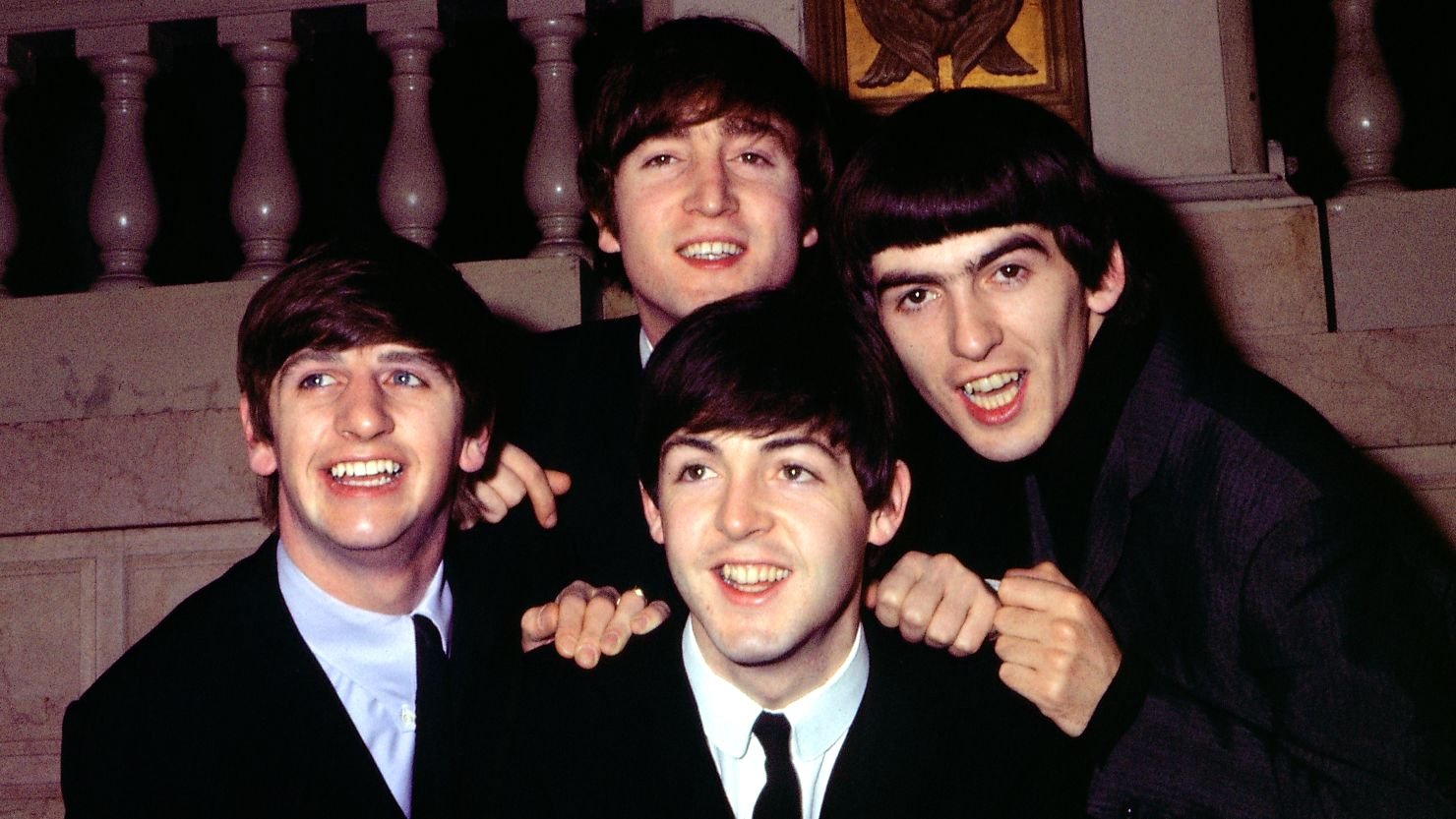
There were no flashing lights outside the hospital. No gathering of fans. No sense that history was being written inside those walls.
In November 2001, in a quiet room in New York City, Paul McCartney walked in to see his old friend George Harrison for what would become the final time.
George had been ill for years. Cancer had taken its toll, and those closest to him understood that time was limited. But when Paul entered the room, the weight of fame — and even the weight of what was coming — seemed to fall away.
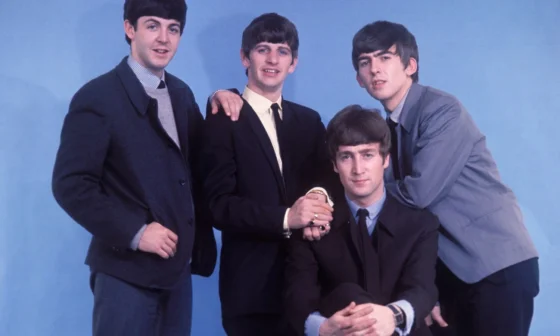
For a while, they weren’t global icons or former bandmates of The Beatles. They were just two boys from Liverpool again.
Their conversation drifted easily, as if no time had passed. They spoke about the early days — crowded clubs, long nights, and the raw excitement of discovering music together. Liverpool, then Hamburg, then the world. It all seemed to come rushing back in fragments, each memory carrying its own rhythm.

They laughed.
It wasn’t forced or careful laughter. It was natural, the kind that only comes from shared history. They had lived something few others could truly understand — the rise of a band that changed everything.
At some point, a small guitar was brought into the room. It was a simple gesture, but it carried decades of meaning.
George, though physically weak, still wanted to play. Music had always been his way of connecting — to others, to himself, to something deeper. Paul picked up the instrument and began to strum gently. George followed along as best he could.
There was no audience. No microphones. No need for perfection.
It wasn’t about performance. It was about familiarity. About returning, even briefly, to the one language they had always shared without effort.
For a moment, nothing else existed.
As the visit went on, the mood gradually shifted. The laughter softened into quieter conversation. George spoke openly about life — not with fear, but with acceptance. His long spiritual journey had given him a sense of calm, a perspective that reached beyond the immediate.
Paul listened.
There was little need for words in return. Presence was enough.
Eventually, the time came to leave. These moments always arrive too soon, no matter how expected they are. Paul stood, perhaps reluctant, perhaps aware in a way that couldn’t quite be spoken. He reached out and held George’s hand.
It was a simple gesture, but it carried everything — friendship, history, gratitude, and goodbye.
George looked at him and smiled faintly. Then he said, quietly, “I’ll see you around, mate.”
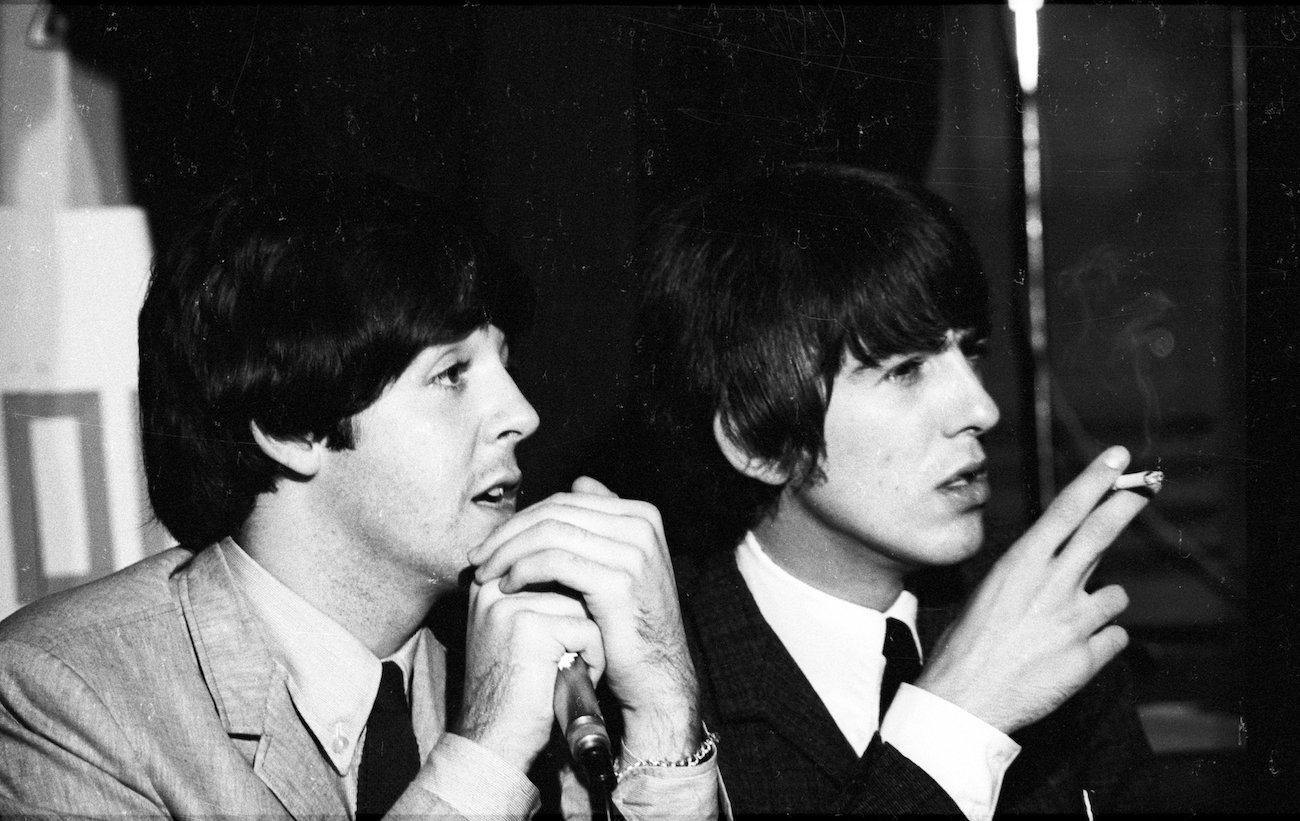
It wasn’t dramatic. It wasn’t framed as a final statement. But in its simplicity, it held a quiet weight.
Weeks later, on November 29, 2001, George Harrison was gone.
For Paul, that final exchange never faded. Not because of what was said, but because of what was understood.
Sometimes, the most meaningful goodbyes don’t announce themselves. They arrive softly, in familiar words, between people who no longer need to explain anything at all.
And somewhere within that quiet hospital room, two friends who had once changed the sound of the world shared one last moment — not as legends, but simply as Paul and George