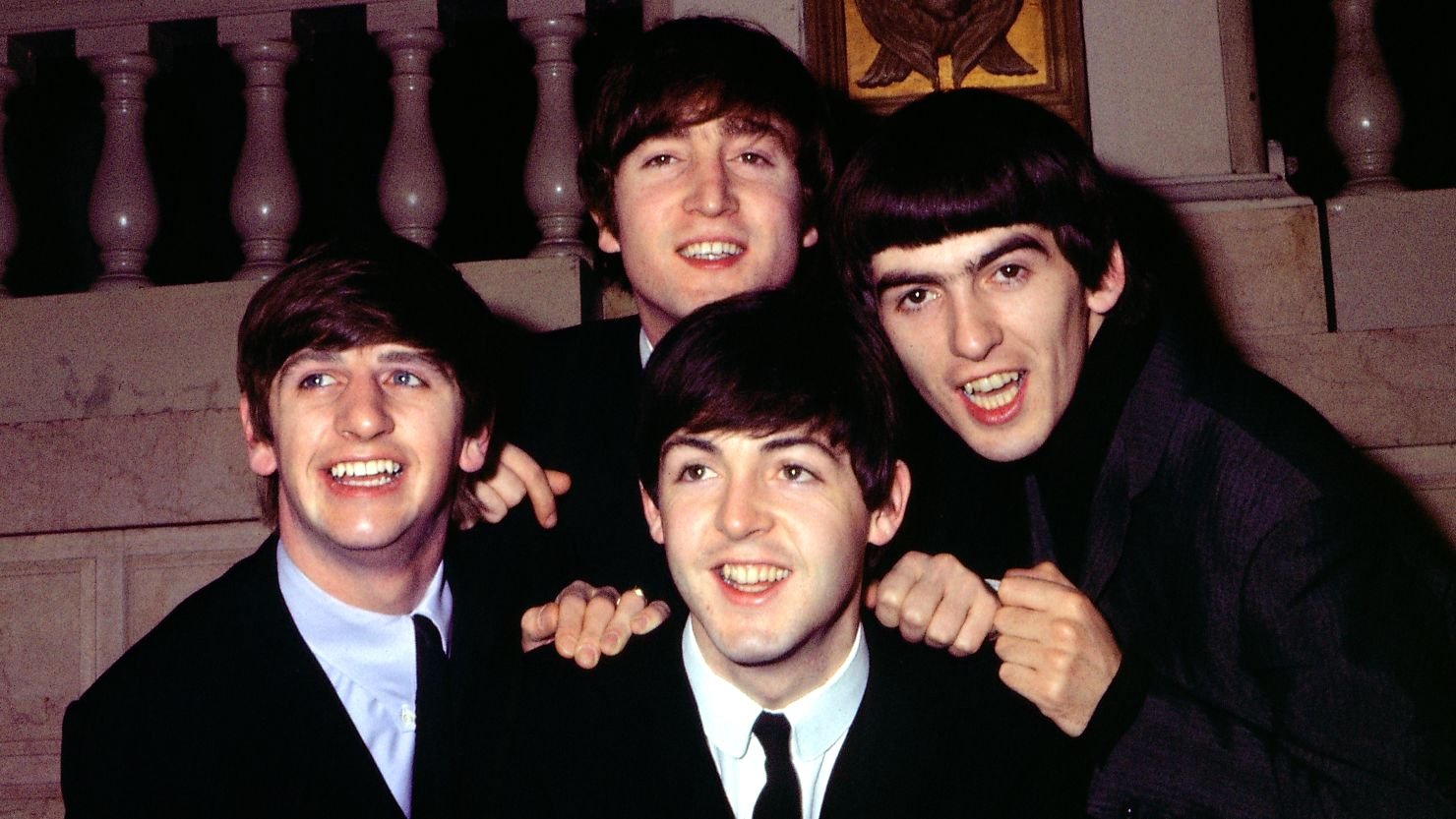
On a spring day in 1966, The Beatles returned to the studio, continuing what would become one of the most celebrated recording periods in music history. Among the songs they worked on was “When I’m Sixty-Four,” a track that, even then, carried the weight of a much earlier time. While it would eventually find its place on Sgt. Pepper’s Lonely Hearts Club Band, its true origins stretched back a full decade before the band’s rise.

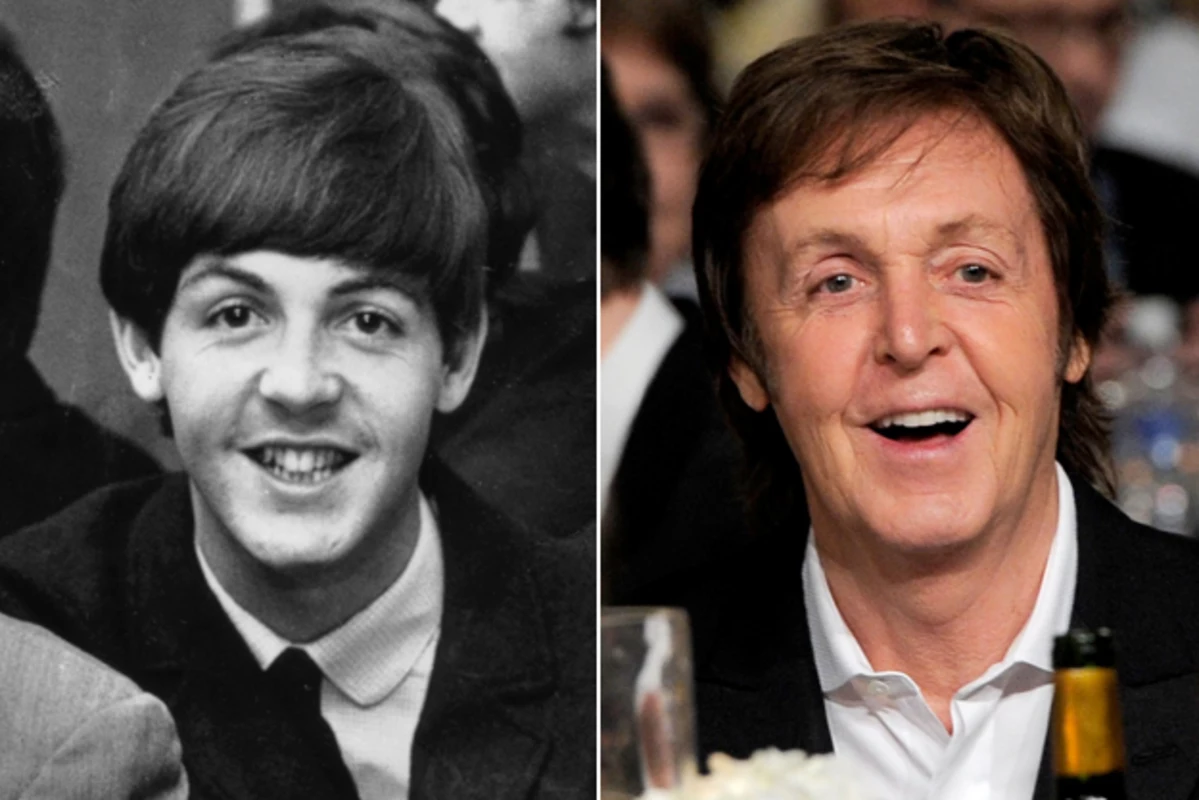
In 1956, a fourteen-year-old Paul McCartney sat at a piano and wrote a song that imagined life far into the future. At that point, rock and roll was still new, and his own path was uncertain. He wasn’t yet part of a global phenomenon—just a teenager experimenting with melody, influenced as much by traditional music hall sounds as by the emerging energy of popular music. “When I’m Sixty-Four” reflected those early influences, with a charm that felt almost timeless even then.
In the years before fame, the song served a practical purpose. It became a reliable piece during performances, especially when conditions weren’t ideal. Without the need for amplification, it could be played in stripped-down settings, its melody carrying easily without technical support. It was simple, adaptable, and quietly enduring—a song that didn’t demand attention but earned it.#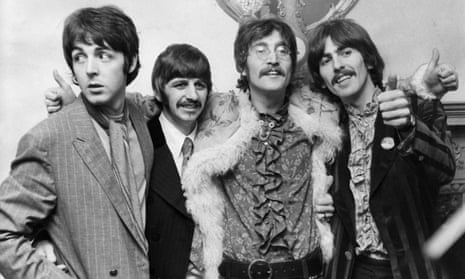
By the time The Beatles began shaping Sgt. Pepper, their music had moved into more experimental territory. Psychedelia, studio innovation, and bold new ideas defined the sessions. Against that backdrop, revisiting a song like “When I’m Sixty-Four” might have seemed out of place. Yet its inclusion brought something different—something grounding.
There are small details that add to the song’s story. George Martin, the band’s longtime producer, and Beatles historian Mark Lewisohn have both noted the possibility that the song’s revival coincided with Paul’s father reaching the same age mentioned in the lyrics. Whether intentional or not, the connection adds a quiet layer of meaning. In the studio, the band made subtle adjustments, including speeding up the tape, which gave Paul’s vocal a lighter, almost youthful quality—an echo of the boy who first wrote it.
Musically, the track stands apart on Sgt. Pepper. Its warm clarinets and steady rhythm draw from an older English tradition rather than the swirling experimentation found elsewhere on the album. But that contrast is exactly what gives it strength. It acts as a reminder that innovation doesn’t always mean leaving the past behind.
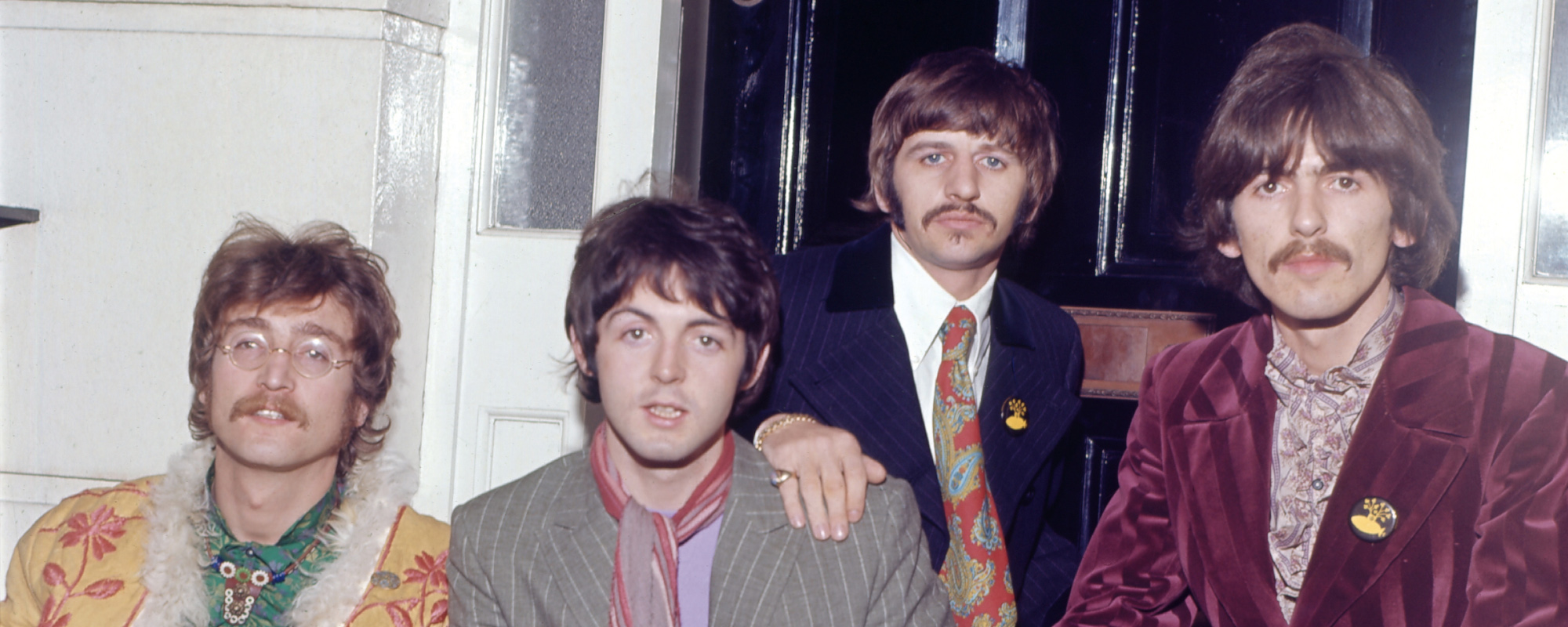
Instead, “When I’m Sixty-Four” bridges two moments in time. It connects a young songwriter’s early imagination with a band at the height of its creative powers. In doing so, it captures something essential about The Beatles themselves—their ability to evolve without losing sight of where they began.
And perhaps that is why the song still resonates. It isn’t just a reflection on aging or love. It’s a quiet testament to continuity, showing that even in the most groundbreaking chapters of music history, there is always space for the simplest beginnings.