Every artist has someone behind the scenes who helps shape their journey—someone who sees the potential before the world does. For Il Volo, that person was Barbara Vitali.
Long before international tours, standing ovations, and global recognition, Vitali believed in three young voices that had yet to find their place in the world. Piero Barone, Ignazio Boschetto, and Gianluca Ginoble were still at the beginning of their journey when she stepped in—not as a figure in the spotlight, but as a steady presence behind it.

She didn’t just manage their careers; she helped shape their identity. With a quiet sense of direction, she guided them through the early stages of their rise, helping transform raw talent into something refined and lasting. While audiences saw the performances, the growth, and the success, Vitali was there ensuring that each step forward was grounded in purpose.
Her belief in them came before the world’s applause. And that kind of belief leaves a lasting mark.
So when news of her passing came, it wasn’t just a professional loss—it was deeply personal. For the trio, it meant losing someone who had been part of their foundation, someone who had walked beside them through the most important stages of their journey.
Fans began to notice a shift. It wasn’t something easily defined, but it was there—in the tone of their performances, in the way they carried themselves on stage. The music remained technically flawless, but something more emotional had entered the space.
That change became especially clear when they returned to perform one of the songs that had once helped define them. On the surface, nothing had changed. The arrangement was the same, the harmonies intact, the delivery as precise as ever. But beneath it all, there was a new layer—one shaped by memory and loss.
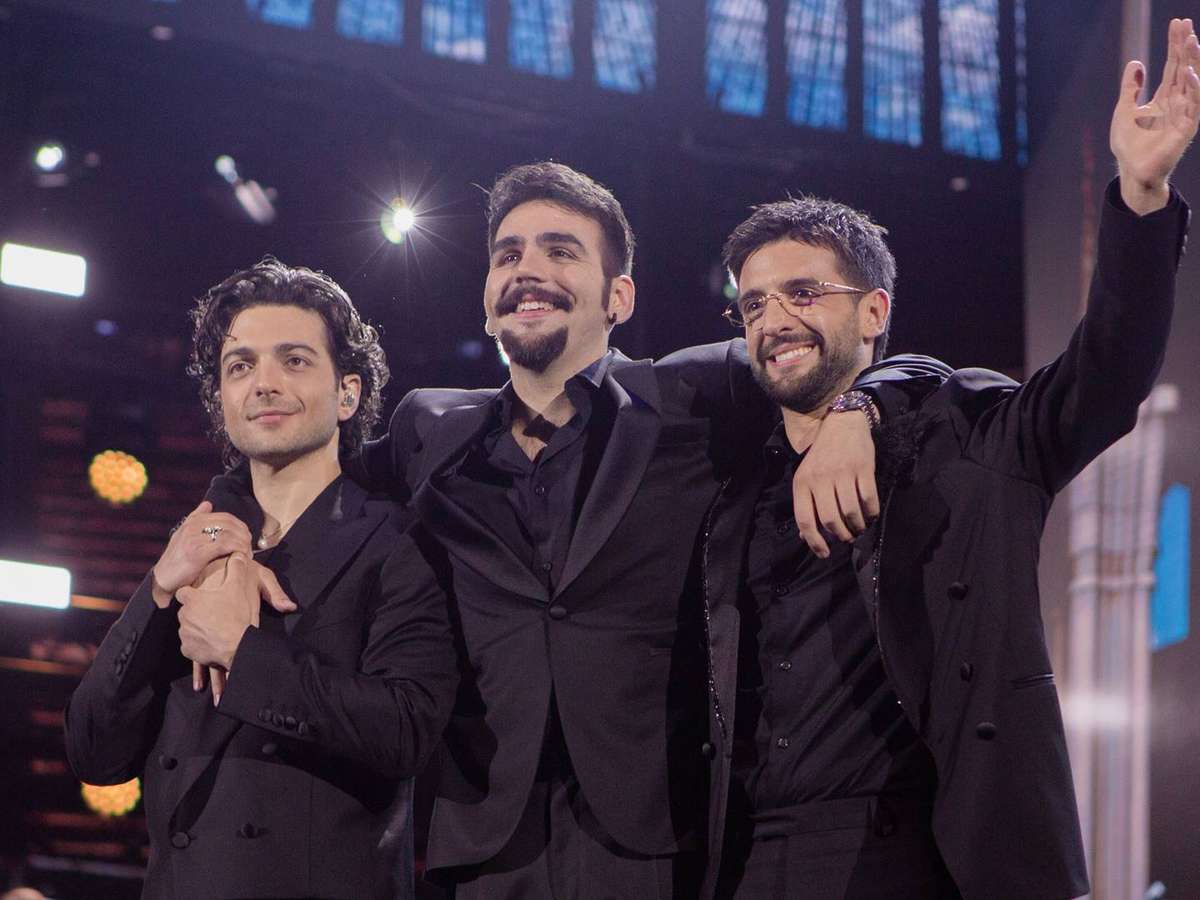
Each note seemed to carry more weight, as though it held something unspoken. Their voices, once effortlessly soaring, now revealed a subtle vulnerability. It wasn’t a flaw—it was a reflection of something real. The performance felt less like a showcase and more like a quiet conversation, one that didn’t need to be explained to be understood.
For those watching closely, it became clear that this was more than just music. It was a tribute—one not announced or framed in obvious ways, but woven into the performance itself. Every phrase, every pause, seemed to carry a sense of gratitude and remembrance.
Then came the final moments.
As the last note approached, there was a stillness in the air, a shared awareness that something meaningful had just taken place. And just before the silence settled in, Barone spoke—his voice soft, almost fragile.
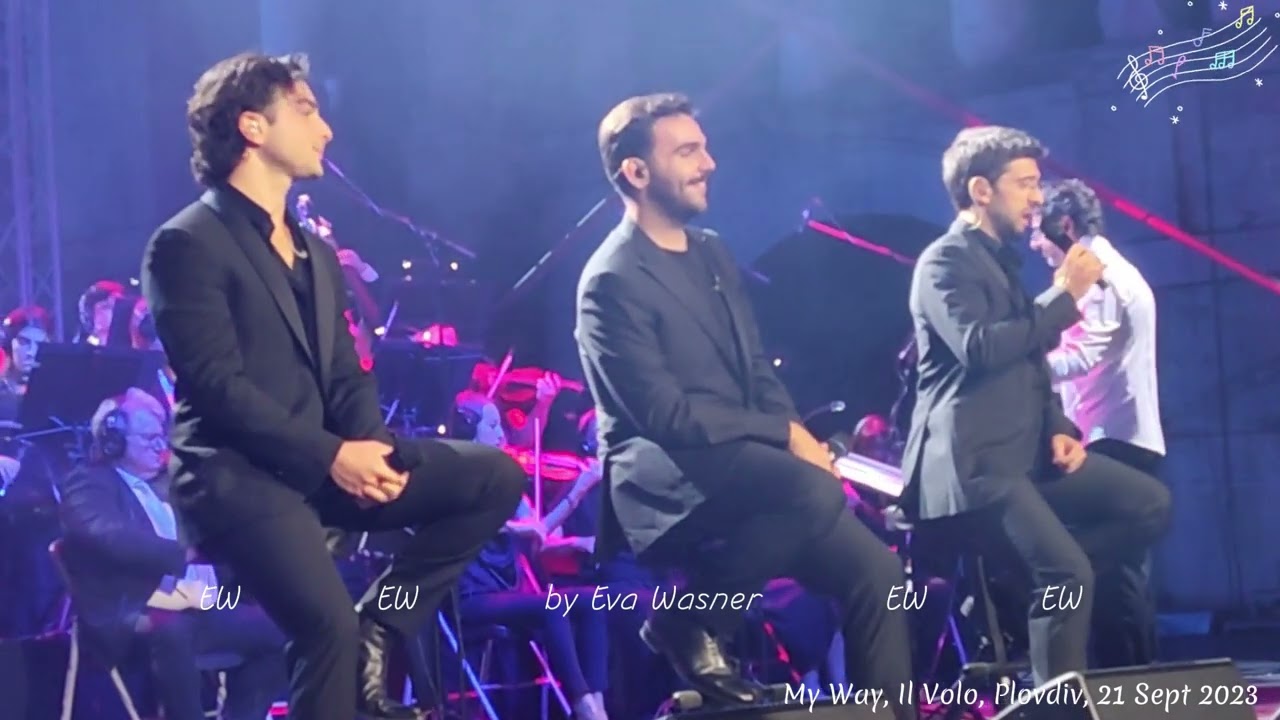
It was a brief moment, but it changed everything.
Because sometimes, the most powerful tributes aren’t the ones spoken loudly. They are the ones felt—in the music, in the silence, and in the space between what is said and what remains unspoken.