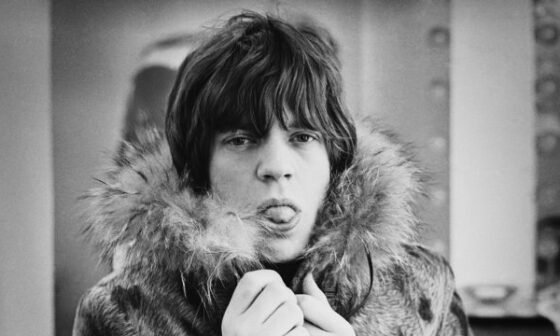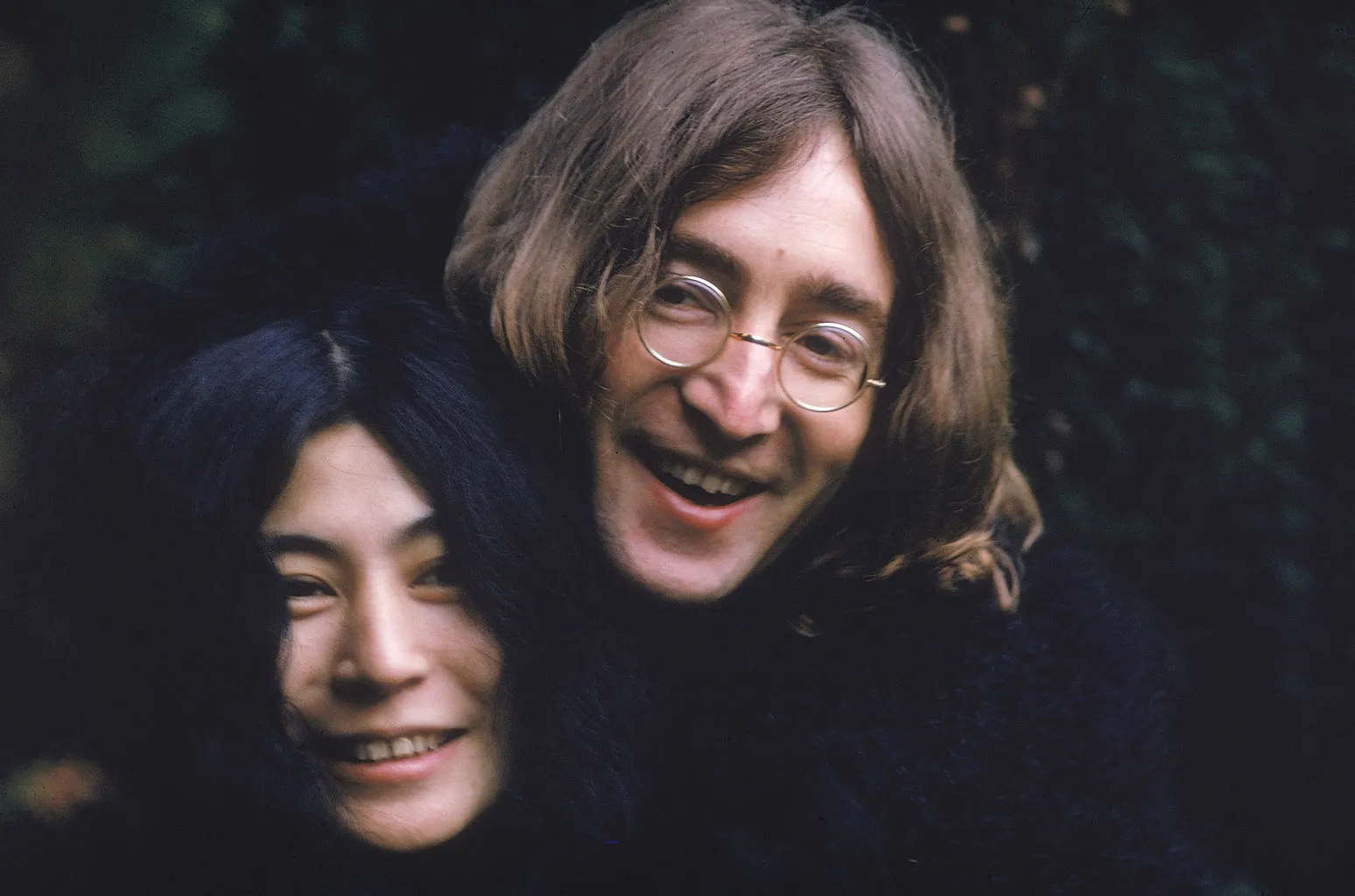
On December 8, 1980, the world lost John Lennon But for Yoko Ono, that loss was intensely personal. Rather than leaving the Dakota Apartment where Lennon spent his final moments, she stayed—immersed in the tangible remnants of his life.
Surrounded by his guitars, handwritten lyrics, drawings, and even the faint scent that lingered on pillows, Ono created a living memorial within the apartment. Friends have recounted that she would whisper, “He’s not gone… he just stepped into another room,” a sentiment reflecting her belief that Lennon’s presence remained close, even when the world saw only absence.
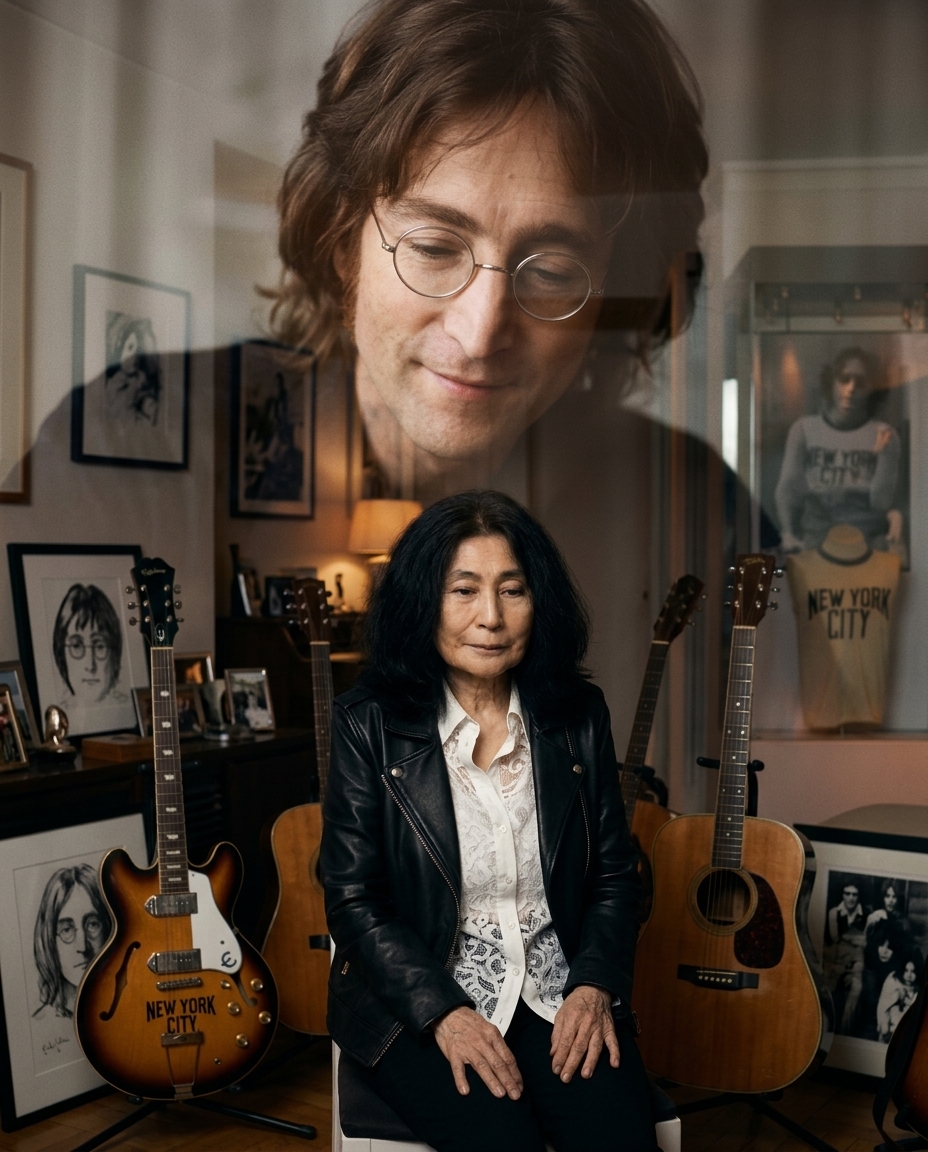
For over four decades, she maintained the space with remarkable care. Every object, every detail, became part of a narrative of love, loss, and devotion. While the apartment itself remained almost frozen in time, Ono found ways to channel grief into creation.
One of her most enduring contributions is Strawberry Fields in Central Park, a landscaped tribute open to the public. Designed as a space for reflection, it allows visitors to feel connected to Lennon’s spirit and the profound message of love he championed. Ono’s vision transformed private sorrow into a shared sanctuary, a place where music, memory, and emotion intertwine.
Ono’s actions illustrate a unique way of mourning: one that preserves memory, honors legacy, and allows grief to blossom into something meaningful. Through Strawberry Fields, the echoes of Lennon’s music—and their bond—continue to resonate, offering solace to strangers who have never met him, yet feel the power of his presence.
Her story is a testament to the idea that love can transcend mortality. Some connections do not break with death—they reverberate, shaping the lives of those who remain, and even those who come after.
In a world that often rushes to forget, Yoko Ono’s vigil reminds us that memory, care, and artistry can create a bridge between past and present, keeping a spirit alive through the echoes of song and sanctuary.