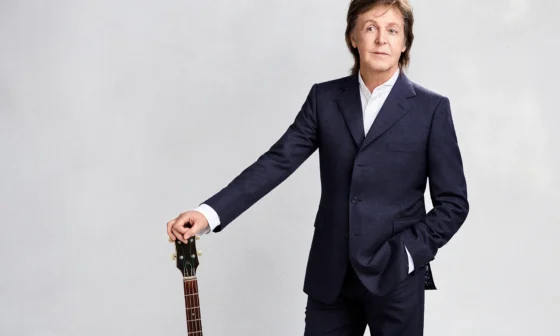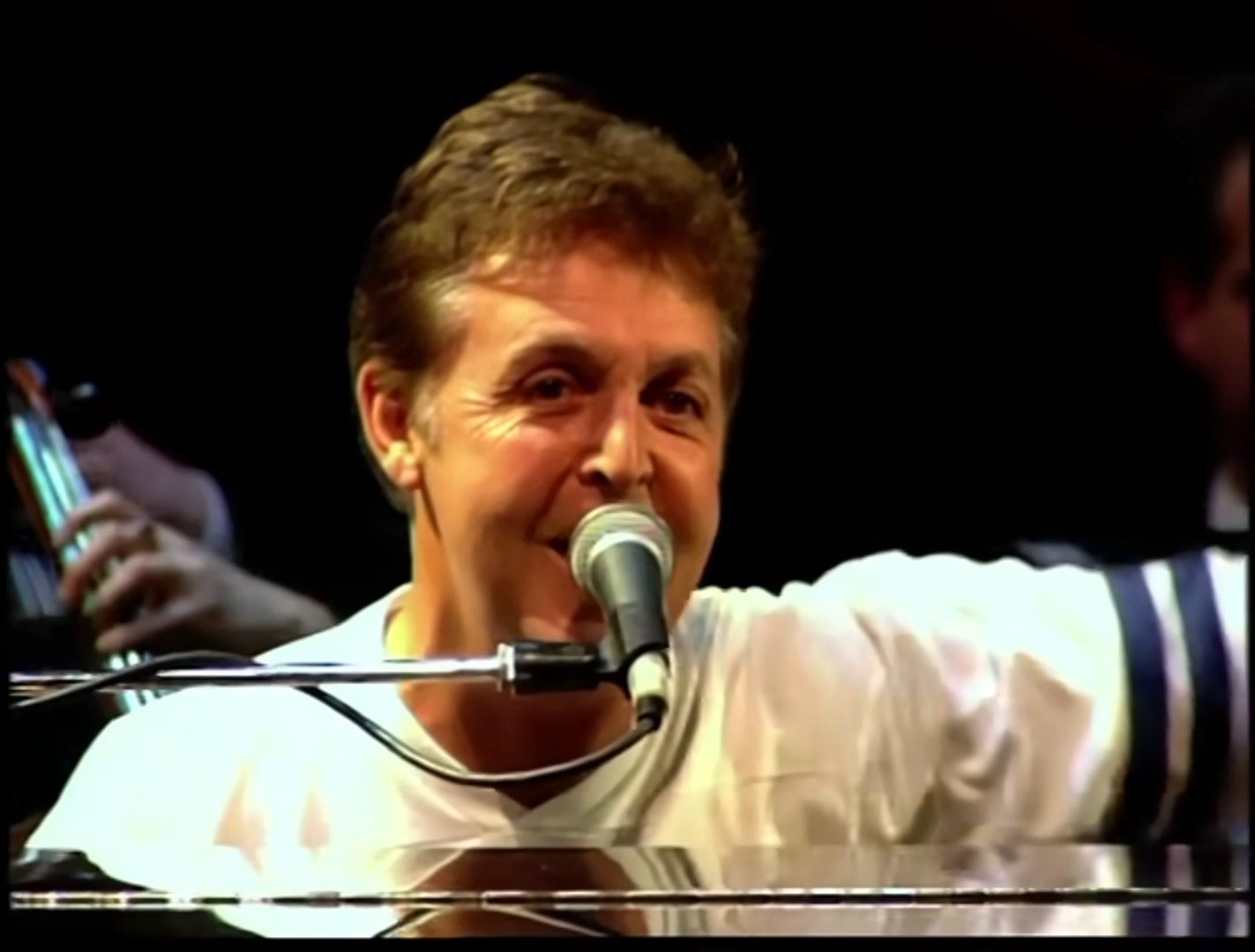
There are concerts, and then there are moments that feel like living history. When Paul McCartney took the stage at the Fonda Theatre, the line between the two seemed to disappear.
With a capacity of just over 1,000, the venue offered something rare for an artist of McCartney’s stature: intimacy. Every note, every story, every smile felt within reach. And at 83, he didn’t approach the stage as a legacy act—he arrived with the same sense of purpose that has defined his career for decades.
83-year-old Paul McCartney performing Hey Jude last Saturday in Los Angeles pic.twitter.com/T2e3yfeRXD
— 🎸 Rock History 🎸 (@historyrock_) March 30, 2026
From the opening moments, the atmosphere was electric. The crowd knew they were witnessing something special, but what made the night even more remarkable was who else was in the room. Among the audience were Taylor Swift, Elton John, Harrison Ford, and Reese Witherspoon—a cross-section of artists and icons from different corners of entertainment.
Yet as the music began, those distinctions faded. Everyone became part of the same audience.
McCartney moved effortlessly through his catalog, blending solo work with timeless classics from The Beatles. Between songs, he shared stories that felt less like rehearsed anecdotes and more like conversations. He spoke about early travels, first impressions of America, and the unpredictable path that led to global recognition. These moments added depth to the music, reminding listeners that behind every iconic song is a real story.
Then came the song everyone was waiting for.
As the opening chords of Hey Jude filled the theater, a sense of anticipation spread through the crowd. It didn’t take long for the audience to join in, their voices rising together in a chorus that has transcended generations.
What made this performance stand out wasn’t just the song itself—it was the shared experience. Fans, celebrities, and fellow musicians all sang side by side, creating a rare sense of unity. The familiar “na-na-na” refrain became something more than a melody; it turned into a collective moment of connection.
McCartney, standing at the center of it all, seemed to take it in as much as he led it. There was a visible sense of appreciation in his expression, as if he understood exactly what the moment meant—not just for the audience, but for the legacy of the music itself.
By the time the final notes faded, the room held onto the silence for just a second longer, reluctant to let the experience end. Then came the applause, loud and sustained, a reflection of what everyone had just shared.
For those who were there, it wasn’t simply about seeing a legendary performer. It was about witnessing the enduring power of music—the way a single song can bring together people from different generations, backgrounds, and experiences.
And in that small theater in Los Angeles, for one unforgettable night, Paul McCartney reminded everyone why those songs still matter.