In an era dominated by fast trends and ever-changing sounds, it’s easy to believe that only certain kinds of music can survive. But every so often, artists come along who challenge that idea—not by following the rules, but by quietly refusing to accept them. That’s exactly what Il Volo did.
Long before they stood on the world’s biggest stages, they were simply three teenagers from different parts of Italy, brought together by a shared passion for music that felt timeless. Piero Barone, Ignazio Boschetto, and Gianluca Ginoble didn’t sound like their peers. Their voices carried echoes of another era—rich, expressive, and rooted in classical tradition.
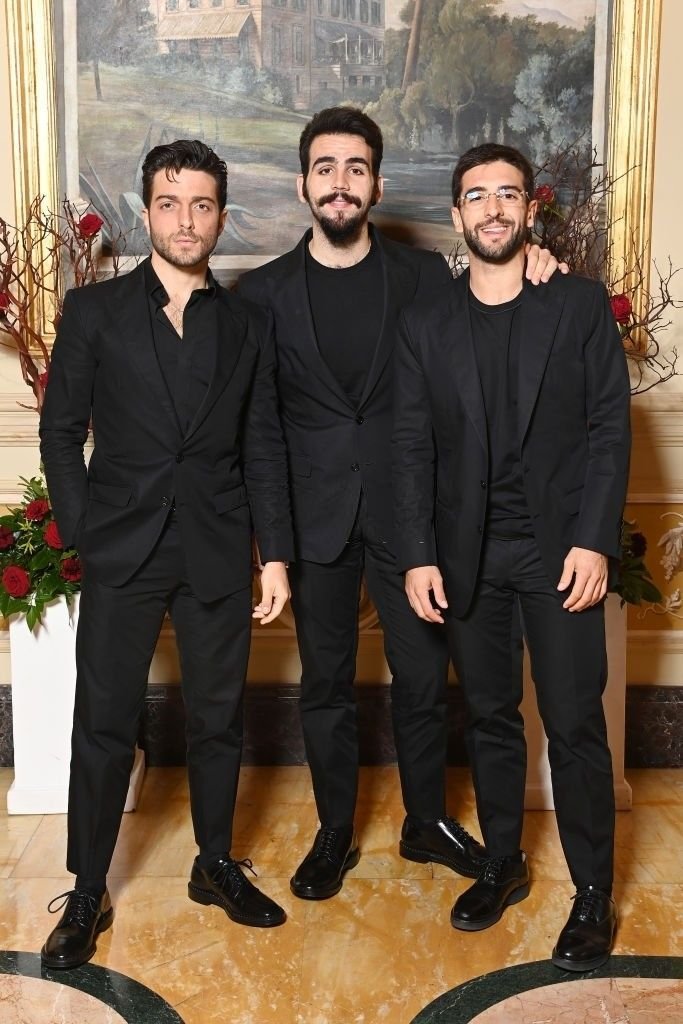
From the beginning, there were doubts. Industry voices questioned whether their style had a place in the modern music scene. They were encouraged to adapt, to reshape their sound into something more current, more “marketable.” Opera, some said, no longer belonged in the mainstream. Younger audiences, they believed, wouldn’t connect with it.
But Il Volo chose not to follow that path.
Instead, they leaned into what made them different. They embraced the depth of their training, the emotion of their delivery, and the unmistakable character of their voices. Rather than chasing trends, they focused on authenticity—on singing in a way that felt honest to who they were.
That decision would define their journey.
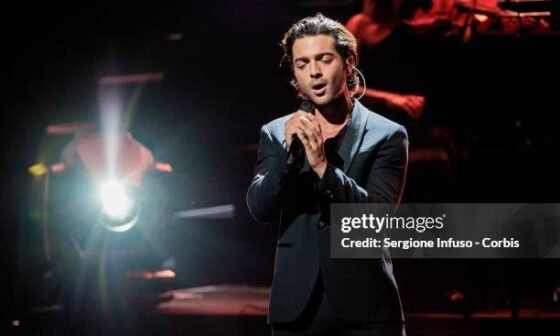
As their music began to reach wider audiences, something unexpected happened: people listened. Not just casually, but deeply. Their performances carried a sincerity that cut through the noise, reminding listeners of the power of melody, harmony, and emotion. Songs like “Grande Amore” became more than performances—they became statements.
Their rise took them across continents, from historic Italian settings to major international arenas. Each stage brought new challenges, new audiences, and new expectations. Yet through it all, they remained grounded in the same principle that started it all: stay true.
What also set them apart was their bond. In an industry often defined by competition, Il Volo operated as a unit—three distinct voices working together in harmony. That connection, built over years of shared experience, became one of their greatest strengths. It wasn’t just about singing well; it was about understanding each other, supporting each other, and growing together.
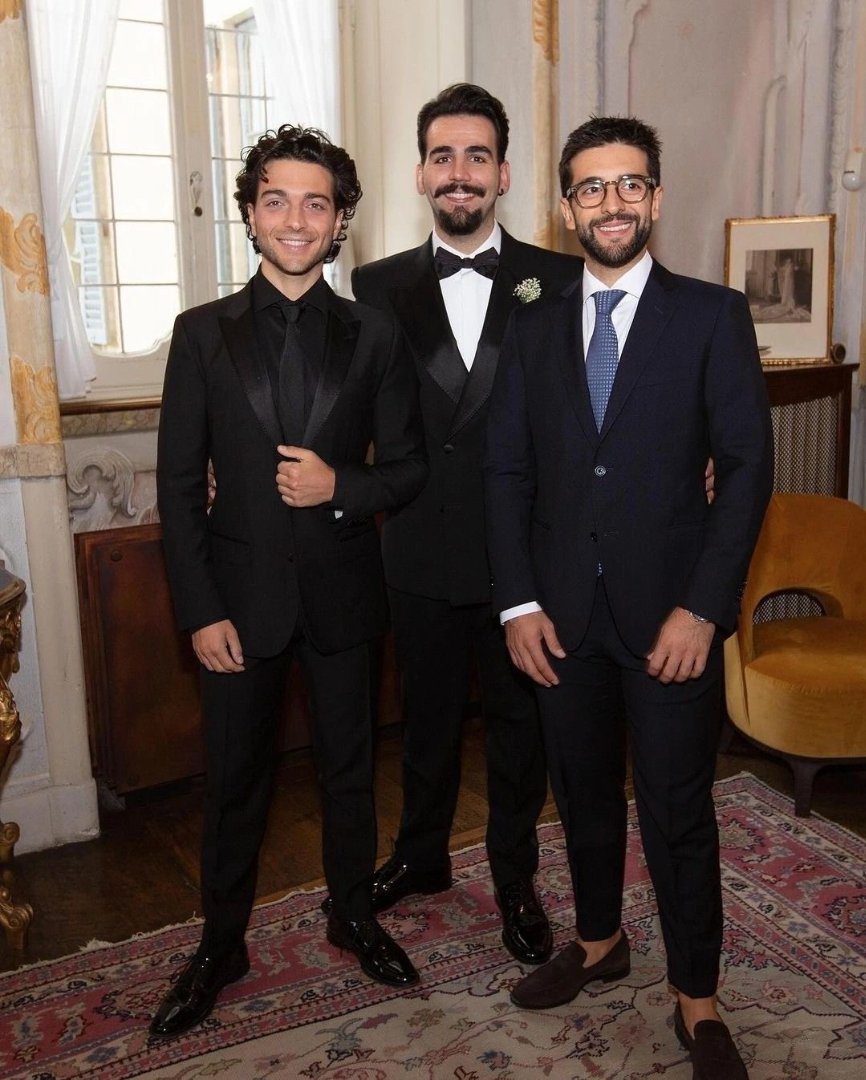
Over time, the skepticism began to fade. Critics who once questioned their relevance found themselves reconsidering. Audiences continued to grow, drawn not just by the uniqueness of their sound, but by the honesty behind it.
Their story resonates because it speaks to something universal. The pressure to conform, to adjust, to become something more acceptable—it exists in every field, not just music. Il Volo’s journey is a reminder that sometimes, the most powerful choice is to remain unchanged.
Today, they stand as proof that tradition and modernity don’t have to be in conflict. That classical influence can coexist with contemporary appeal. And that when artists believe in what they do, others will believe in it too.
They didn’t just build a career—they made a statement. One that continues to echo with every performance.
And in doing so, they showed the world that a voice doesn’t need to fit in to be heard. Sometimes, it just needs the courage to rise above the noise.