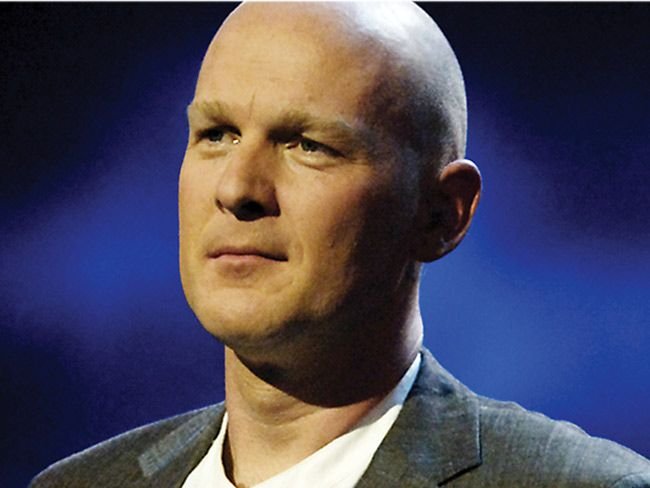
There are songs that belong to the artists who wrote them—and then there are songs that seem to belong to everyone. I’m Gonna Be (500 Miles) is firmly in the second category. Decades after The Proclaimers first released it, the track continues to spark instant recognition, its rhythm and chorus as familiar as ever.
But when George Donaldson, a member of Celtic Thunder, takes the stage to perform it, something interesting happens. The song doesn’t just return—it evolves.

At first, the performance feels grounded and focused. Donaldson approaches the opening lines with a steady confidence, allowing the melody to settle into the room. There’s a sense of respect for the original, but also a quiet readiness to make it his own. His voice carries warmth and clarity, inviting the audience in without overwhelming them.
Then comes the shift.
It often begins subtly—audience members tapping their feet, a few voices joining in under their breath. The structure of the song almost demands participation, and Donaldson leans into that instinct rather than holding it back. By the time the chorus arrives, the atmosphere has already started to change.
“Da-da da da (Da-da da da).”
It’s a simple phrase, but it acts like a spark. Suddenly, the line between performer and audience begins to blur. People aren’t just listening anymore—they’re responding. Clapping becomes synchronized. Voices grow louder. Some stand, others sway, and before long, the energy spreads across the entire room.
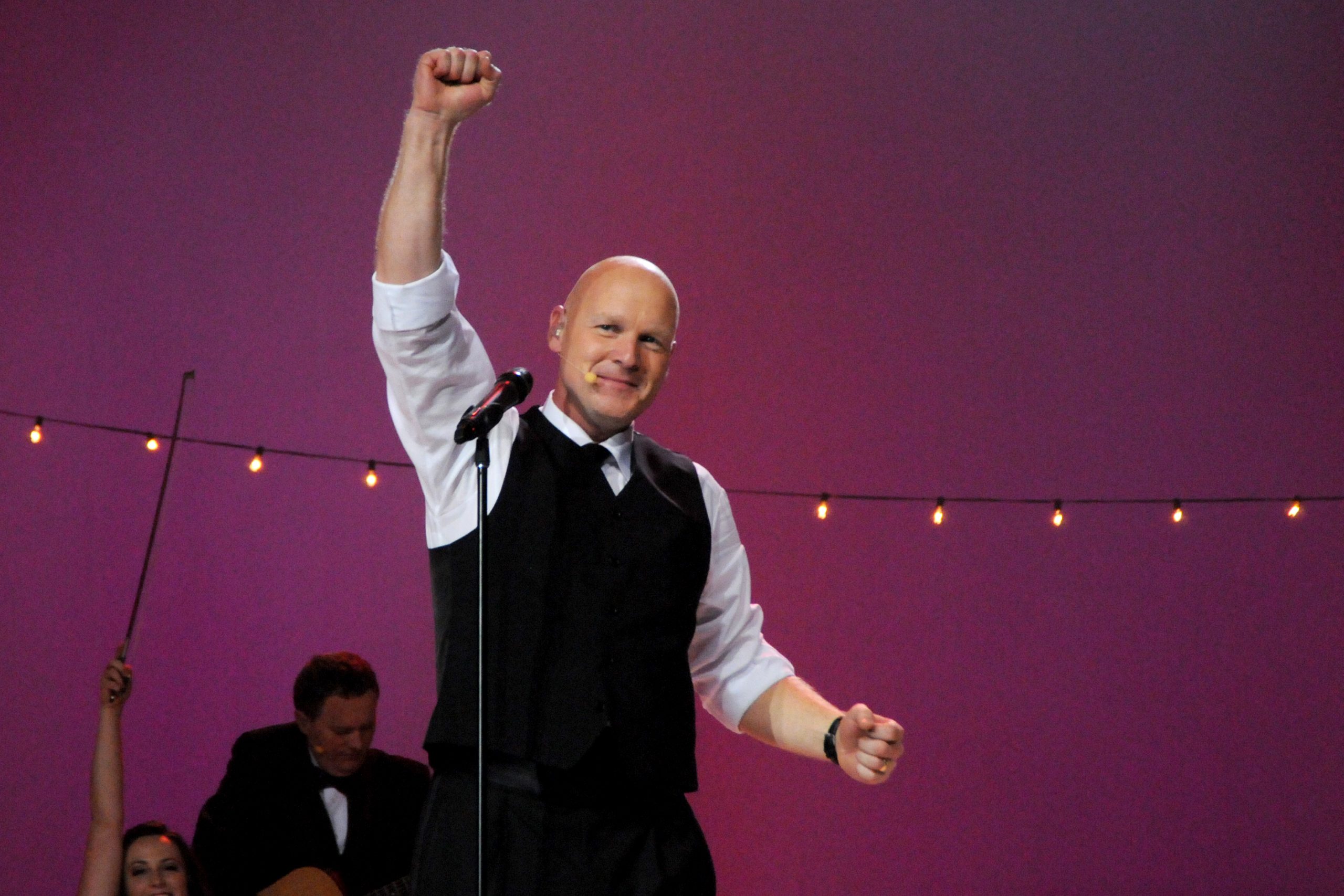
What makes this moment compelling isn’t just the enthusiasm—it’s the sense of connection. Donaldson doesn’t try to control the crowd; he allows them to become part of the performance. The stage no longer feels separate. Instead, it becomes the center of something shared.
This is where live music reveals its unique power.
In recordings, songs are fixed. Every note, every beat remains the same. But on stage, especially in moments like this, a song becomes flexible. It adapts to the room, to the audience, to the mood. Donaldson’s version of “500 Miles” isn’t just a cover—it’s a conversation.
And the audience answers back.
For fans of Celtic Thunder, this kind of interaction is part of what defines the group’s appeal. Their performances often balance musical precision with an approachable, almost communal energy. Donaldson, in particular, had a way of making large venues feel intimate, as though each person in the audience was included in the moment.
As the song builds toward its final chorus, the energy peaks—not because of a dramatic vocal flourish, but because of the collective voice filling the space. It’s no longer about how well the song is sung. It’s about how fully it’s felt.
By the end, what started as a performance has transformed into something else entirely: a shared celebration of a song that refuses to fade.
And as the final notes settle, one thing becomes clear—some journeys aren’t measured in miles, but in moments like these, where music brings everyone a little closer together.