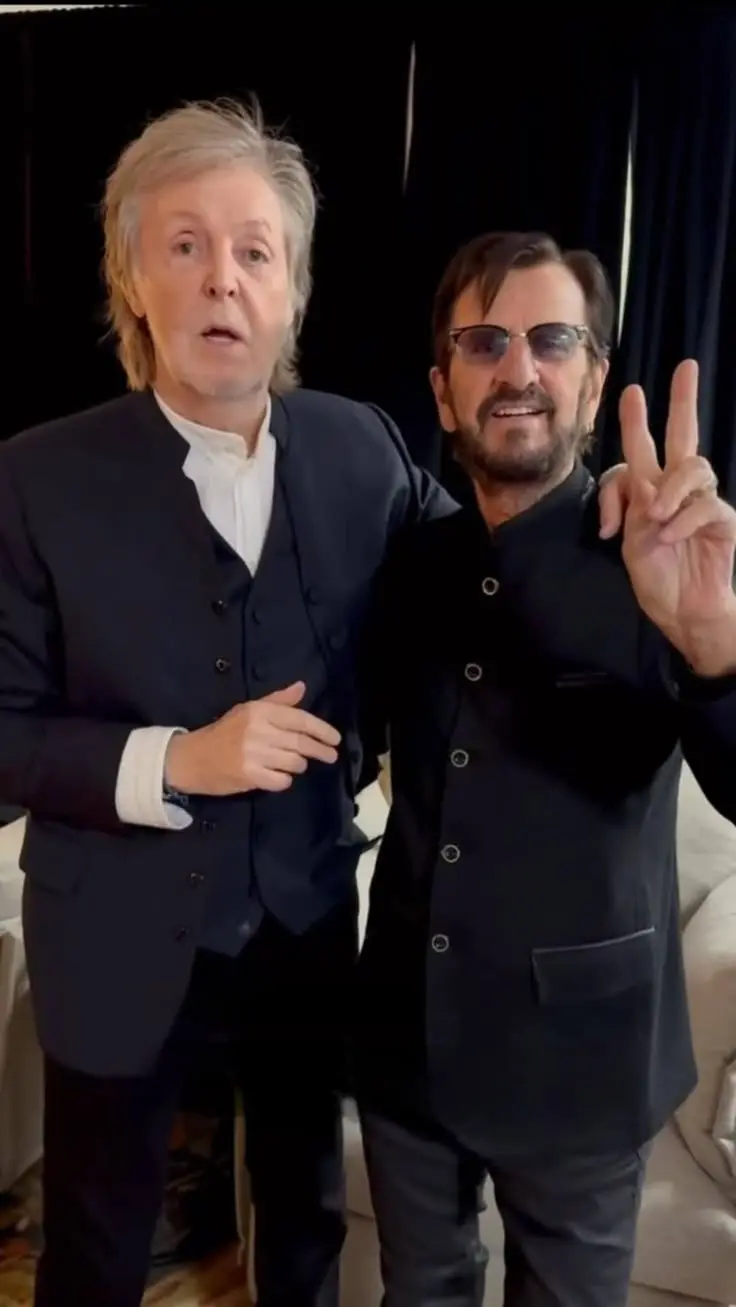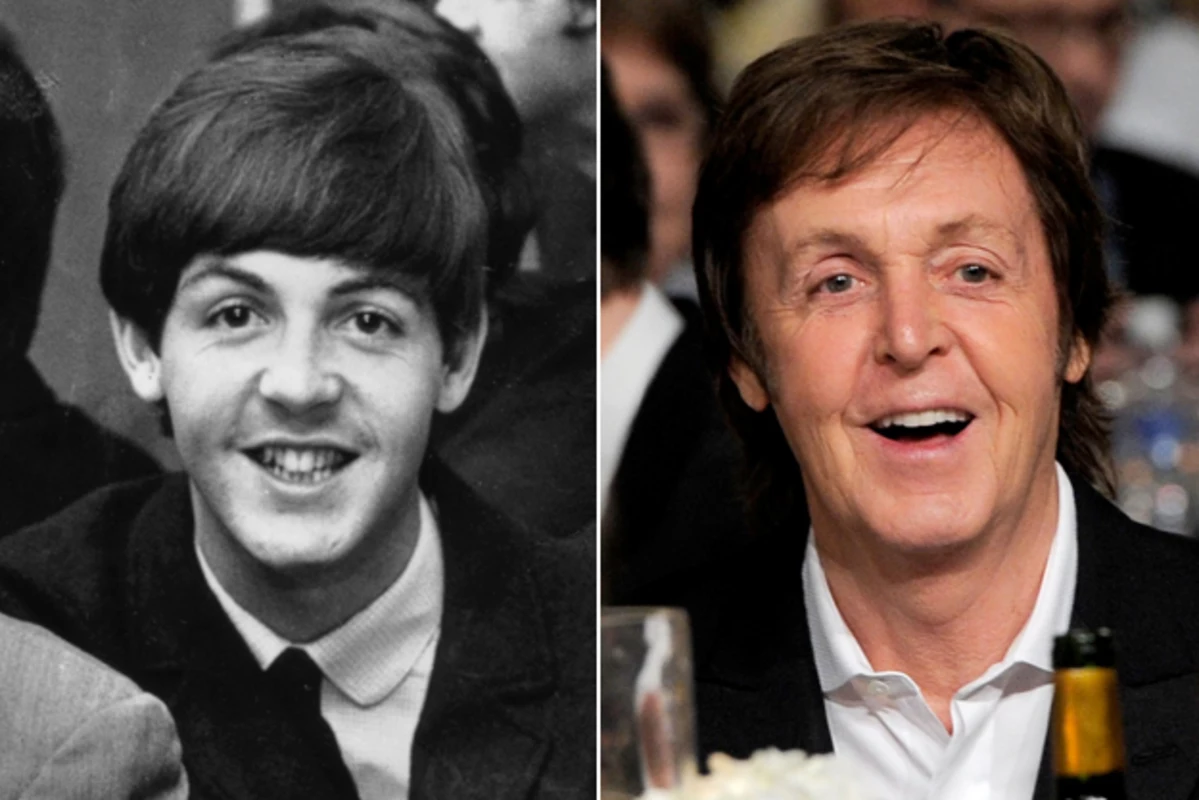
Few names in music carry the weight of The Beatles. Decades after their final performance, their influence remains unmatched, their songs still woven into the fabric of everyday life. So when whispers begin about a possible reunion involving Paul McCartney and Ringo Starr, it doesn’t just spark interest—it ignites a global reaction.
The latest wave of excitement centers on reports suggesting the two could embark on a 2026 world tour together. According to early information circulating online, the tour might include multiple dates across North America, with iconic cities like Los Angeles, New York, Chicago, and Toronto listed as potential stops, alongside select international appearances.
For fans, the idea is almost surreal.
The thought of two Beatles sharing the same stage again carries emotional weight that goes far beyond nostalgia. It represents continuity—a living link to a band that reshaped modern music. It’s not just about hearing familiar songs performed live; it’s about witnessing history still in motion.
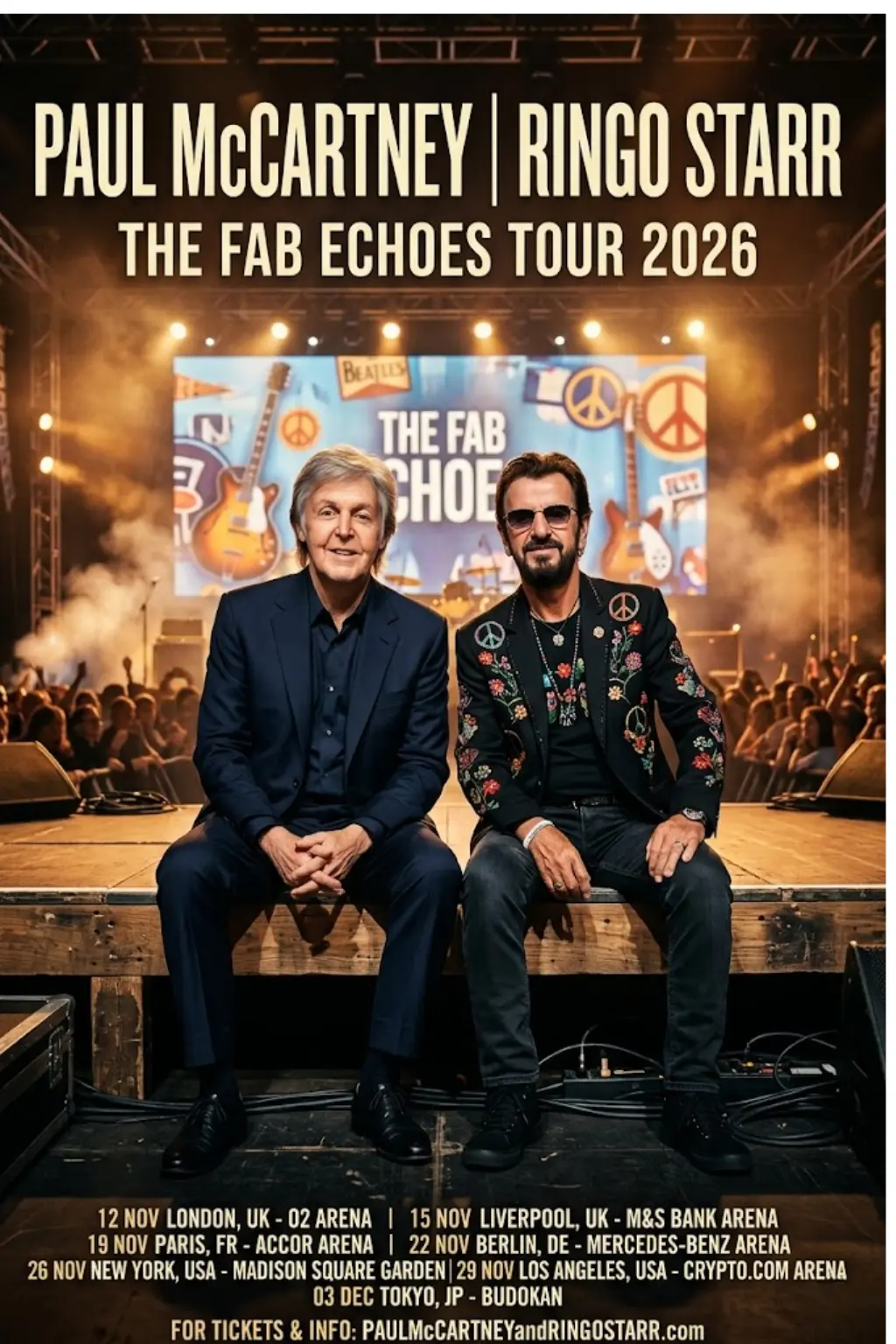
And yet, amid the excitement, there is an important note of caution.
Announcements of this magnitude are rarely subtle. Major tours, especially those involving artists of this stature, are typically accompanied by official confirmations, detailed schedules, and coordinated releases across platforms. As of now, much of the information remains unverified, spreading primarily through social media and fan discussions.
That doesn’t make it impossible—but it does mean it should be approached thoughtfully.
Still, the reaction itself says something powerful.
Why does this rumor resonate so deeply? Because for many, McCartney and Starr are not just musicians—they are part of a shared cultural memory. Their work helped define an era, but more importantly, it continues to connect generations. Parents pass their music to children. Songs written decades ago still feel immediate and relevant.
A reunion tour, if it were to happen, would tap into that enduring connection.
It would bring together audiences who grew up with The Beatles and those who discovered them years later. It would create a space where different generations could experience the same music, in the same moment, performed by the artists who helped create it.

There’s also the emotional dimension. With John Lennon and George Harrison no longer present, any collaboration between McCartney and Starr naturally carries a sense of tribute. Their performances often include subtle acknowledgments of their former bandmates, reminding audiences that while time moves forward, the legacy remains intact.
Whether this rumored tour becomes reality or fades as speculation, the excitement surrounding it is telling.
It shows that the story of The Beatles isn’t finished—not in the hearts of fans, and not in the ongoing journeys of the artists themselves.
And if the day comes when Paul McCartney and Ringo Starr do step onto a stage together for a full tour, it won’t just be another series of concerts.
It will be something far rarer.
A moment where the past and present meet—and music history plays on, live.