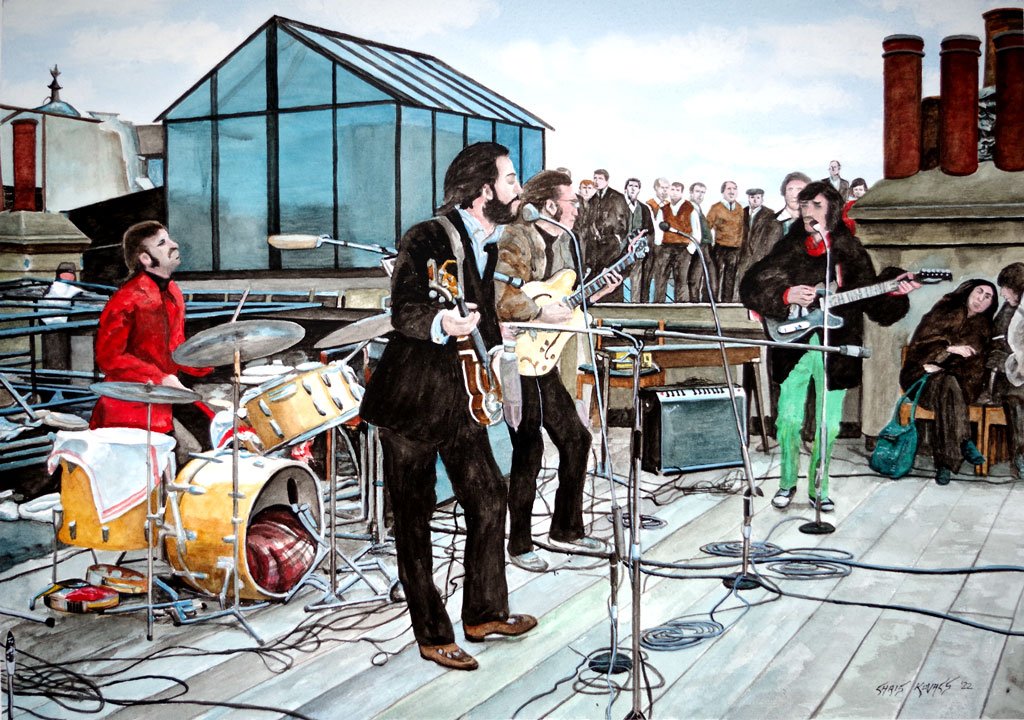
By the summer of 1968, the atmosphere inside Abbey Road Studios was no longer what it had once been. The building still echoed with the same instruments, the same voices, and the same creative energy that had defined a generation—but something had shifted. Beneath the surface, tension simmered among The Beatles, and even their most devoted collaborators could sense it.
It wasn’t one dramatic explosion that signaled trouble. Instead, it was a quiet, almost understated moment that revealed just how fragile things had become. John Lennon walked into the studio that day, looking distant, detached. The others were preparing to rehearse, continuing the painstaking work that would eventually shape what fans now know as the “White Album.” But Lennon had something else on his mind.
“I’m not rehearsing… maybe not ever again.”

The words landed heavily. There was no shouting, no immediate argument—just silence. It was the kind of silence that forces everyone in the room to confront what’s left unsaid. For a band that had built its legacy on collaboration and shared vision, the statement felt like a crack running straight through its foundation.
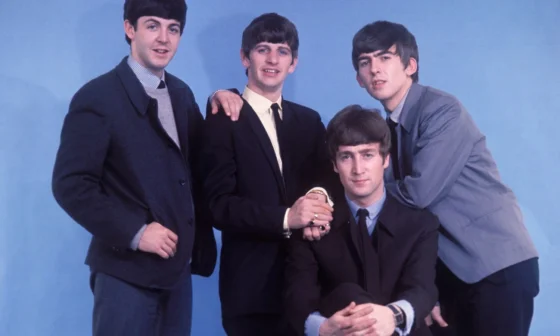
To understand the weight of that moment, it helps to look at where each member stood at the time. Paul McCartney was pushing forward with relentless energy, determined to keep the band productive. George Harrison was growing increasingly frustrated, eager to have his own songwriting voice taken more seriously. Ringo Starr, often the quiet observer, had already begun to feel disconnected from the group’s dynamic.
And Lennon—arguably the band’s emotional core—was changing. His artistic interests were expanding, his personal life evolving, and his commitment to the group no longer felt absolute. What he said that day wasn’t just about skipping rehearsal; it reflected a deeper uncertainty about whether the band could continue as it had before.
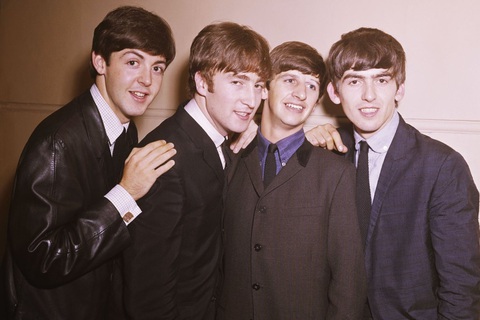
The tension wasn’t entirely new. The Beatles had just returned from India earlier that year, where their spiritual retreat had created both inspiration and division. Back in London, creative differences began to surface more openly. Recording sessions stretched longer, disagreements grew sharper, and the sense of unity that once defined them started to fade.
Yet, despite the strain, they didn’t break that day.
Instead, something more complicated happened. They carried on—sometimes together, sometimes almost as individuals sharing the same space. The music that emerged from those sessions was raw, diverse, and often brilliant. The “White Album” itself stands as proof that even in conflict, their creativity remained unmatched.
Looking back, that quiet declaration from Lennon feels like a turning point. It didn’t end the band, but it made clear that the end was no longer unthinkable. The bond that had once seemed unbreakable was now under pressure, stretched by ambition, identity, and change.
For fans, it’s tempting to focus on the music alone—the melodies, the lyrics, the cultural impact. But moments like this remind us that behind the legend were four individuals navigating success, expectation, and their own evolving paths.
And on that summer day in 1968, inside a familiar studio, the future of The Beatles paused—held in a silence that said more than any song ever could.