Some songs arrive at exactly the right moment—not just for the artists who create them, but for everyone who hears them. “Let It Be” by The Beatles is one of those rare pieces of music that feels both deeply personal and universally understood.
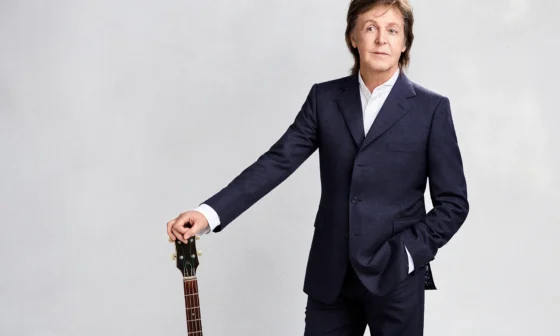
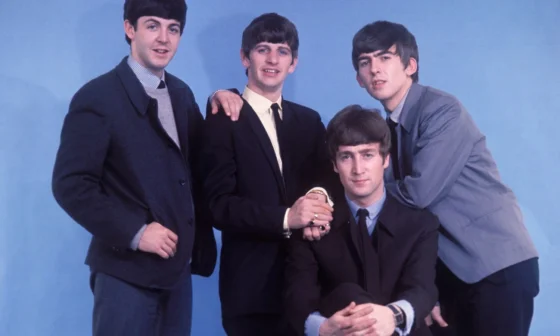
When Paul McCartney began writing the song in the late 1960s, life within The Beatles was becoming increasingly complicated. Creative disagreements, business pressures, and personal changes were creating distance between the four members. The unity that had once defined them was harder to maintain, and the future of the band felt uncertain.

In the midst of that turmoil, McCartney experienced something simple but profound—a dream about his mother, Mary McCartney, who had passed away when he was just a teenager. In the dream, she spoke reassuringly, offering a sense of calm and guidance during a difficult period in his life. Her message was clear and gentle: let things be.
That moment became the foundation of the song.
From its opening piano chords, “Let It Be” creates a sense of quiet reflection. Unlike many of The Beatles’ earlier recordings, which often experimented with complex arrangements and studio innovation, this track leans into simplicity. The melody is steady, almost meditative, allowing the lyrics to take center stage.
There’s also a subtle but powerful gospel influence running through the song. The backing vocals and organ lines give it a spiritual quality, as if it belongs not just to a recording studio but to a shared human experience. It feels like a hymn—not tied to any one belief system, but rooted in the idea of finding peace when answers are unclear.
As the song was released in 1970, it carried an added layer of meaning. It appeared both as a standalone single and as the title track of Let It Be, which would become the band’s final studio release. By then, the breakup of The Beatles was no longer just speculation—it was reality.
That context shaped how listeners received the song. What began as a personal reflection from McCartney soon felt like a message from the band itself. “Let it be” wasn’t just advice—it sounded like acceptance. A recognition that not everything can be fixed, and not every story has a neat ending.
And yet, there’s no bitterness in the song. That’s what makes it so enduring. Instead of dwelling on conflict or regret, it offers reassurance. It acknowledges hardship but chooses calm over chaos, patience over panic.
Over the decades, “Let It Be” has taken on a life far beyond its original moment. It has been played at times of loss, change, and uncertainty—moments when people search for something steady to hold onto. Its meaning remains open, allowing each listener to interpret it in their own way.
For some, it’s about faith. For others, it’s about acceptance. For many, it’s simply a reminder that not everything needs to be solved right away.
In the end, “Let It Be” stands as one of The Beatles’ most lasting contributions—not just to music, but to the emotional language we use to navigate difficult times. It doesn’t demand answers. It doesn’t promise solutions.
It simply offers a quiet, enduring truth: sometimes, the best thing we can do is let things be.