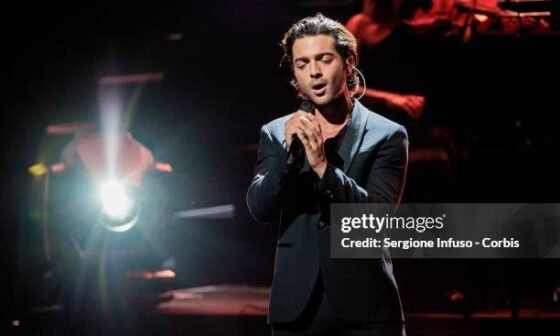
On Valentine’s Day in 2015, the stage of the Sanremo Music Festival 2015 became the setting for one of the most talked-about performances in modern Italian music. When Il Volo—Piero Barone, Ignazio Boschetto, and Gianluca Ginoble—walked into the spotlight, they carried more than just a song. They carried a sound that would challenge expectations, divide opinions, and ultimately leave a lasting mark.

The song was “Grande Amore,” a sweeping, dramatic declaration of love delivered with operatic intensity. From the first note, it was clear this wasn’t typical pop fare. Their voices soared in harmony, backed by orchestration that felt closer to a classical performance than a contemporary chart hit. By the final note, the audience inside the Ariston Theatre had erupted, responding not just with applause, but with something closer to awe.
Yet outside the theater, the reaction was far from unanimous.
Almost immediately, debate took over. Critics questioned where Il Volo fit in the modern music landscape. Some argued their style was too rooted in classical tradition to resonate with younger audiences. Others claimed the opposite—that it lacked the purity and discipline of true classical music. For every admirer who saw elegance and passion, there was a skeptic who saw excess and theatricality.
It wasn’t just critics who were divided. Across Italy, the public reaction mirrored the split. Some celebrated the performance with pride, embracing it as a powerful representation of Italian musical heritage. Others dismissed it, rolling their eyes at the formal attire and grand romantic gestures that felt out of step with contemporary trends.
But the story didn’t end at Sanremo.
A few months later, Il Volo brought “Grande Amore” to the international stage at the Eurovision Song Contest 2015 in Vienna. There, the divide between critics and audiences became even more visible. While the professional jury placed them third, the televote—the voice of millions watching from home—told a different story. Il Volo ranked first with the public, a clear signal that the song had struck an emotional chord across borders.
That contrast became a defining part of the narrative. It raised a familiar question in music: who ultimately decides what matters more—critical consensus or audience connection? In Il Volo’s case, the answer seemed clear. The people listening, voting, and feeling the performance had already made up their minds.
Looking back, “Grande Amore” stands as more than just a competition entry. It represents a moment when tradition and modernity collided, when a performance sparked conversation about taste, identity, and the evolving definition of pop music. It showed that even in a divided landscape, a song can still find a way to resonate deeply.
Years later, the debate itself has become part of the legacy. Some still see it as overly dramatic; others view it as timeless. But perhaps that’s exactly why the performance endures. It wasn’t safe, and it wasn’t universally accepted—but it was impossible to ignore.
And in music, sometimes that’s what makes history.