There are moments at high-profile events when everything unfolds exactly as expected—awards are handed out, speeches are delivered, and applause fills the room on cue.
And then there are moments that break that pattern entirely.
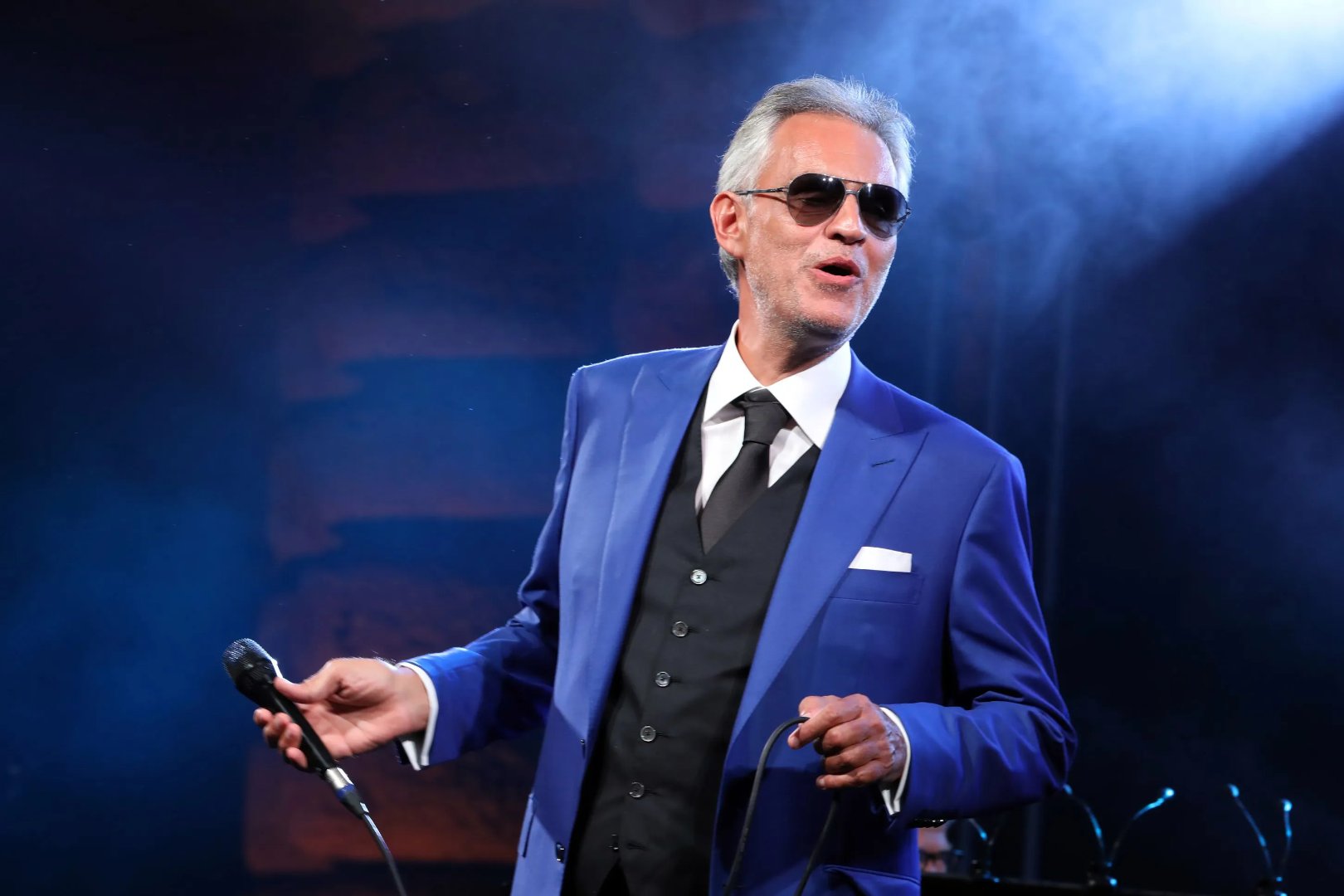
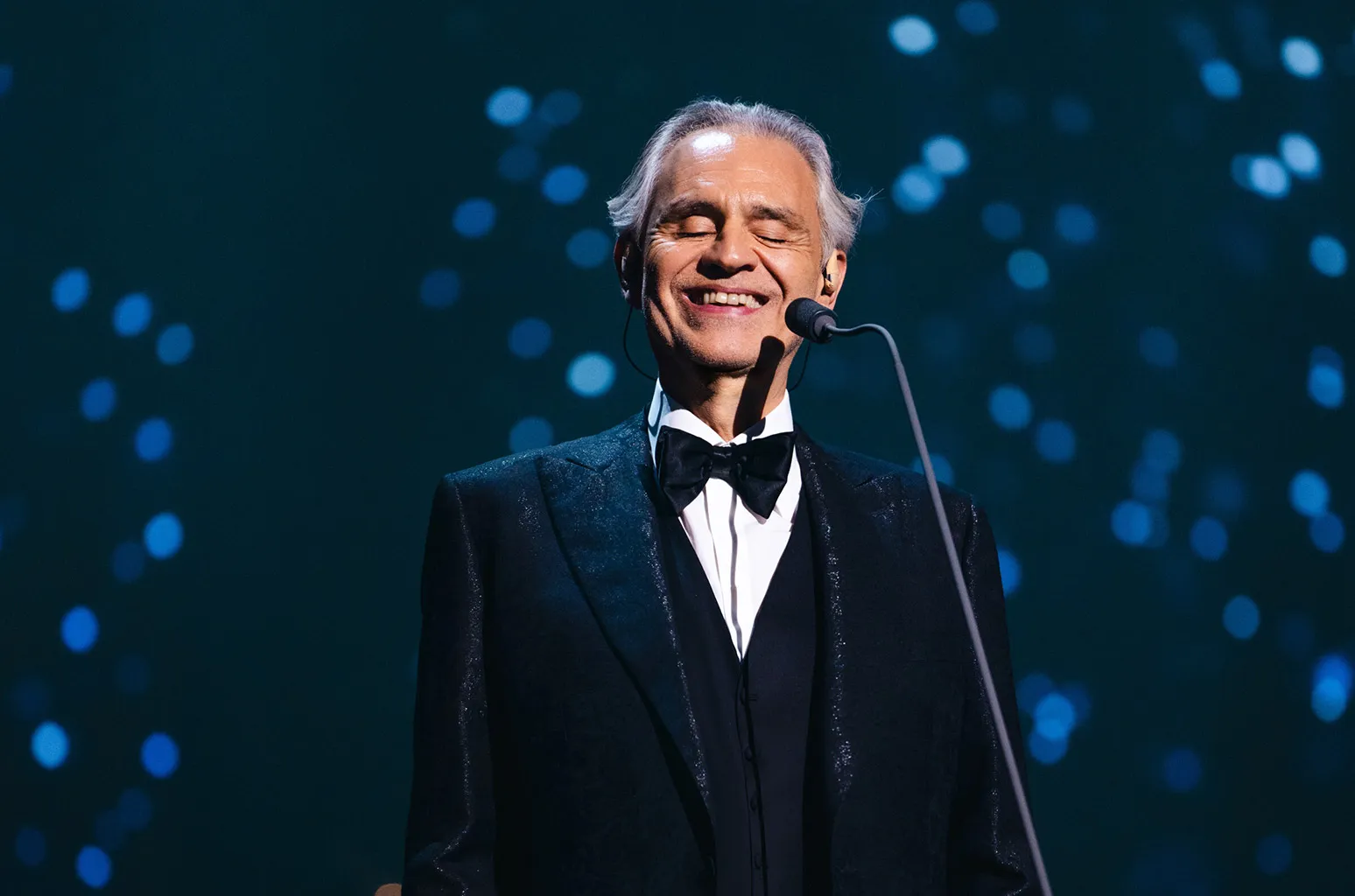
At a recent gathering in Los Angeles, Andrea Bocelli stepped onto the stage to accept a lifetime honor. The setting was familiar: a red carpet, a room filled with industry leaders, celebrities, and influential voices. By all accounts, it should have been another polished celebration of achievement.
But something shifted when he began to speak.
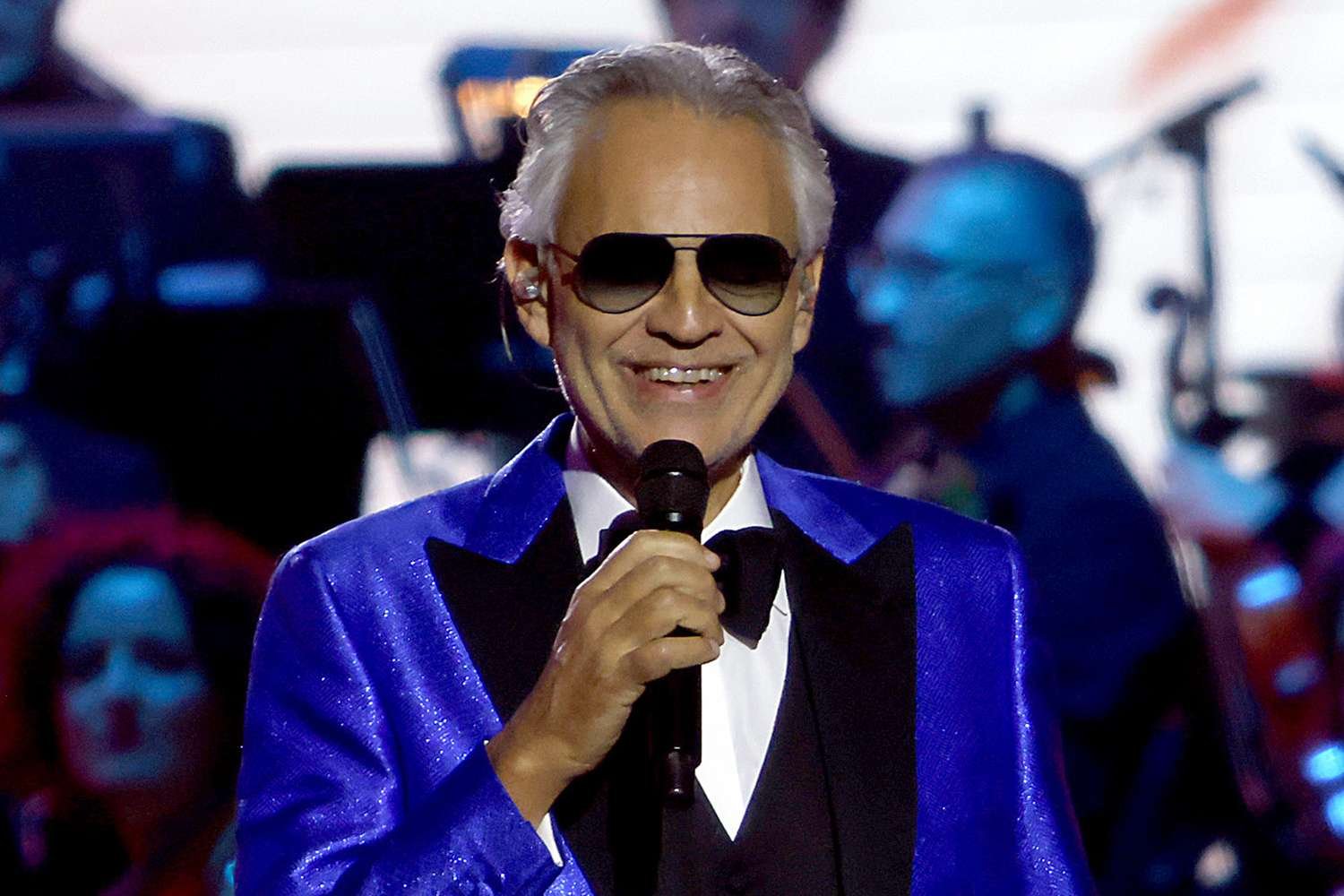
Rather than revisiting the milestones of his career—the sold-out performances, global recognition, or decades of artistic influence—Bocelli directed attention elsewhere. His message centered on responsibility, particularly for those who hold influence in a world marked by stark contrasts.
In a setting defined by success and visibility, he drew attention to what exists beyond it: the people and communities who remain unheard.
The effect was immediate.
Accounts from attendees describe a noticeable stillness in the room. Conversations faded. The usual rhythm of such events paused as his words settled in. It wasn’t a dramatic or confrontational moment, but something quieter—more reflective.
Bocelli has long been associated with humanitarian work, particularly through the Andrea Bocelli Foundation, which supports initiatives in education, healthcare, and emergency response. His remarks aligned with that ongoing commitment, reinforcing the idea that influence carries a broader purpose.
What made the moment resonate wasn’t just the message itself, but the setting in which it was delivered. In a space built around recognition, he reframed the conversation toward contribution.
That distinction matters.
In recent years, public audiences have grown more attentive to how figures in positions of influence use their platforms. Applause alone is no longer enough; there is an increasing expectation of awareness, responsibility, and tangible impact. Bocelli’s remarks fit into that evolving conversation, offering a perspective grounded in experience rather than performance.
Importantly, while stories circulating online have amplified elements of the event—particularly claims of large-scale financial pledges—there has been no widely confirmed report of a single donation on the scale some posts describe. What remains clear, however, is his consistent involvement in charitable efforts and his willingness to speak about them in meaningful ways.
And perhaps that’s where the real significance lies.
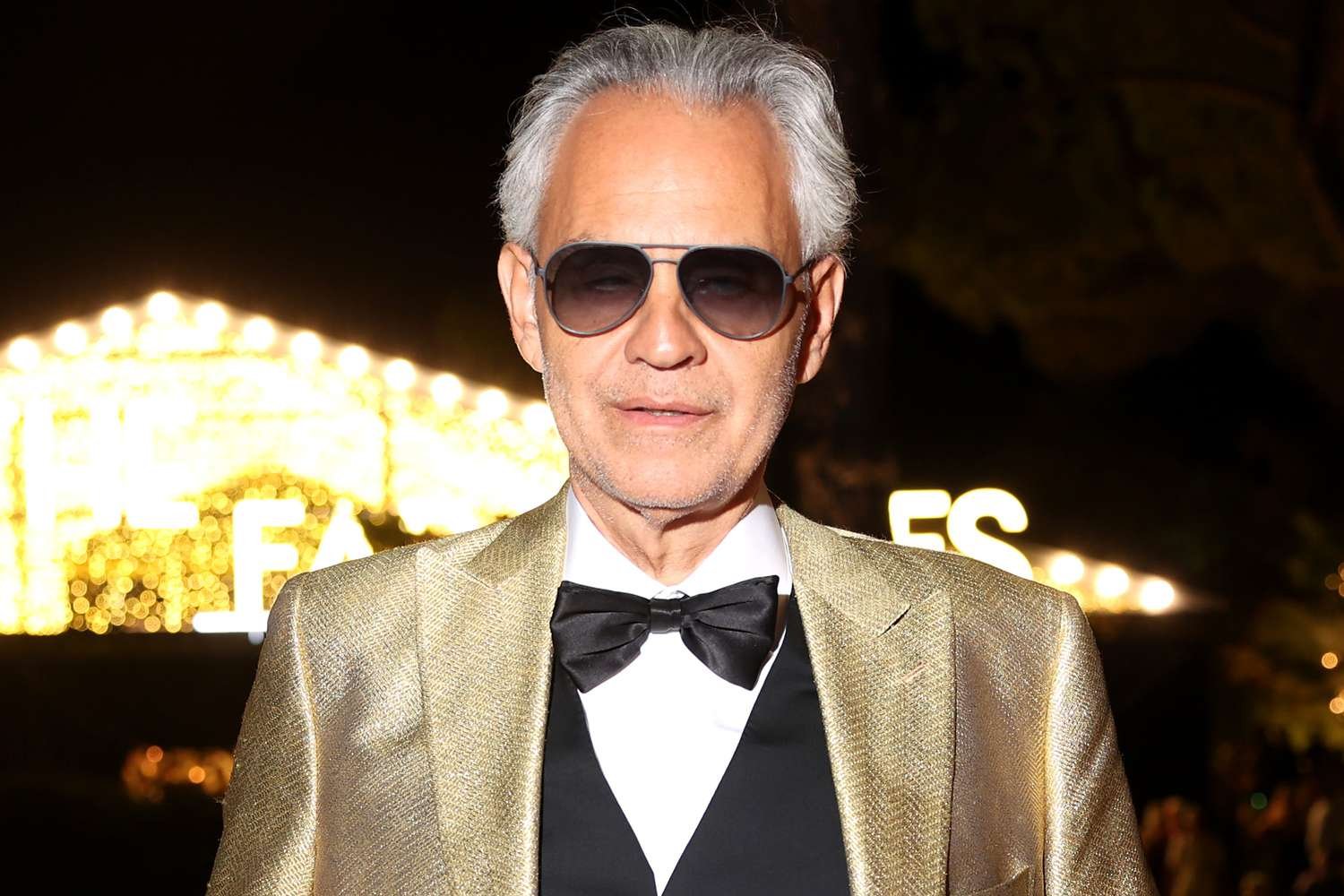
Not in a single dramatic gesture, but in a sustained approach to using influence with intention. Bocelli’s career has always been defined by his voice—one that transcends language and reaches audiences across the world. In moments like this, he extends that reach beyond music, into ideas about responsibility and shared humanity.
As the evening continued and the formalities resumed, the atmosphere inevitably shifted back to celebration. But something lingered.
A pause. A question. A reminder.
Because sometimes, the most lasting impact doesn’t come from the loudest applause—but from the moments when a room falls completely silent, and people begin to think about what truly matters.