There are nights in music when everything changes—not because of a new song or a flawless performance, but because something deeply human takes center stage.
At the Arena di Verona, one such moment unfolded in front of thousands. It wasn’t announced. It wasn’t introduced with fanfare. It simply happened.
For years, Il Volo has been known for its grand sound—soaring vocals, orchestral arrangements, and performances that fill vast spaces with emotion. But on this night, the scale shifted.
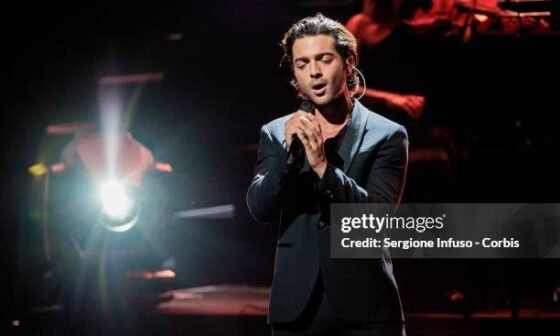
Only two voices stepped into the light.

Piero Barone and Gianluca Ginoble walked onto the stage without the full weight of production behind them. No dramatic buildup. No elaborate staging. Just stillness, and the quiet understanding that what was about to happen carried meaning far beyond music.
In the front row sat Ignazio Boschetto.
Usually, he stands alongside them—one of three voices blending into the group’s signature harmony. But this time, he wasn’t there to sing. He was there to listen.
And to remember.
The performance was shaped by the loss of his father, Vito Boschetto, a figure who had been part of the journey from the very beginning. Not in the spotlight, but always nearby—backstage, behind the scenes, present in the moments that built a career.
For artists who grow up in the public eye, family often becomes the quiet foundation beneath everything visible. They are the constant through rehearsals, tours, and the long stretches between success and uncertainty. Losing that presence changes something fundamental.
That’s what made the moment so powerful.
The song itself wasn’t new. It had been performed countless times before, often as a tribute to the people who supported them along the way. But on this night, its meaning shifted. Every lyric carried a different weight. Every note felt more deliberate.

From the stage, Barone and Ginoble didn’t try to overwhelm the moment. They didn’t push their voices to fill the arena in the way audiences might expect. Instead, they allowed space—between lines, between breaths—letting the silence become part of the performance.
And in that silence, something remarkable happened.
The audience responded not with applause, but with stillness. Thousands of people, united not by spectacle, but by a shared awareness that they were witnessing something deeply personal.
For Boschetto, the experience seemed to blur the line between artist and individual. The roles he usually carries—performer, tenor, entertainer—fell away, leaving something simpler and more vulnerable.
A son, listening.
As the song moved toward its final moments, the voices onstage held a note just a fraction longer than expected. It wasn’t dramatic, but it was enough to shift the air in the arena. A pause that felt intentional. A space where emotion could settle.
No one needed to explain it.
Because sometimes, music doesn’t need to be louder to say more.
When the final note faded, the applause eventually came—but it arrived differently. Not as a reaction to performance, but as recognition of something shared.
In a career filled with global tours, standing ovations, and polished productions, this moment stood apart. It wasn’t about perfection. It wasn’t about scale.
It was about connection.
And in that space—between memory and music—Il Volo reminded everyone that the most powerful performances aren’t always the ones that fill the stage.
They’re the ones that fill the silence.