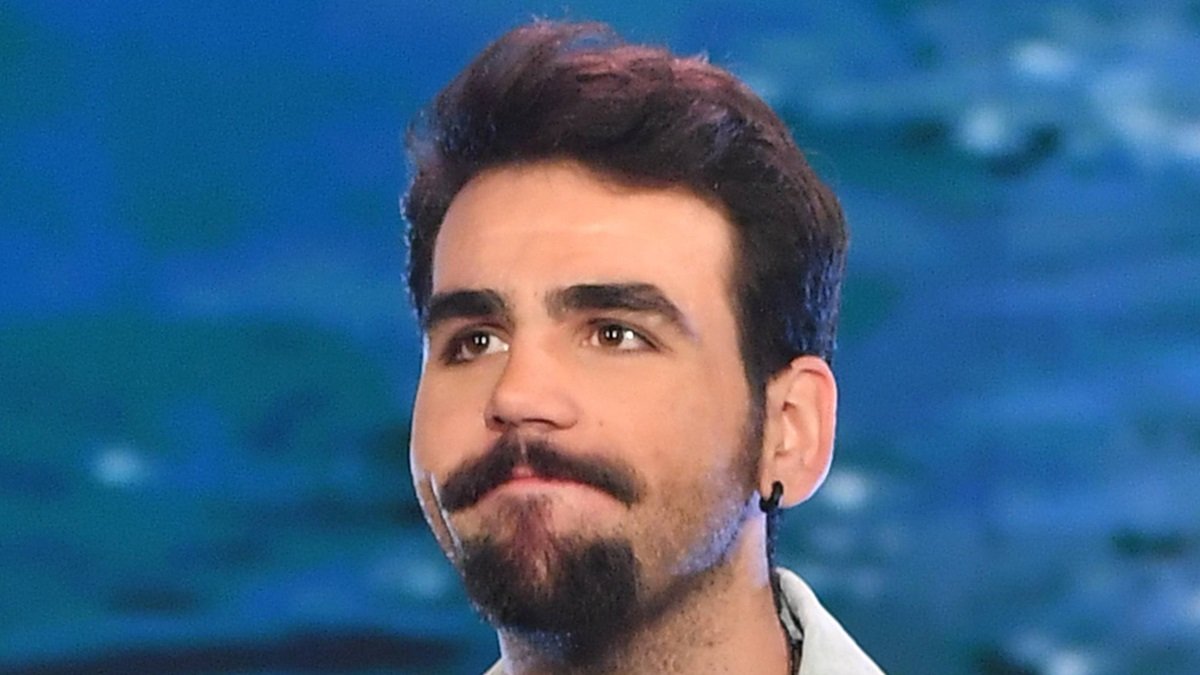
In the small, sun-drenched town of Marsala, Sicily, the Boschetto household was much like any other—filled with the typical sounds of a growing family. But one afternoon, the ordinary air of their home was shattered by something impossible. Vito and Caterina Boschetto were walking down their hallway when they were struck by a sound that simply shouldn’t have existed: the soaring, dramatic lines of a Verdi aria.
They followed the sound to the bedroom of their three-year-old son, Ignazio. Expecting to find a radio left on or perhaps a television playing a broadcast, they instead found silence’s greatest rival. Behind the closed door, their toddler was singing. He wasn’t mimicking a melody or babbling along to a rhythm; he was performing. The notes were crisp, the phrasing was deliberate, and the power behind the small child’s voice carried the weight of a seasoned professional.
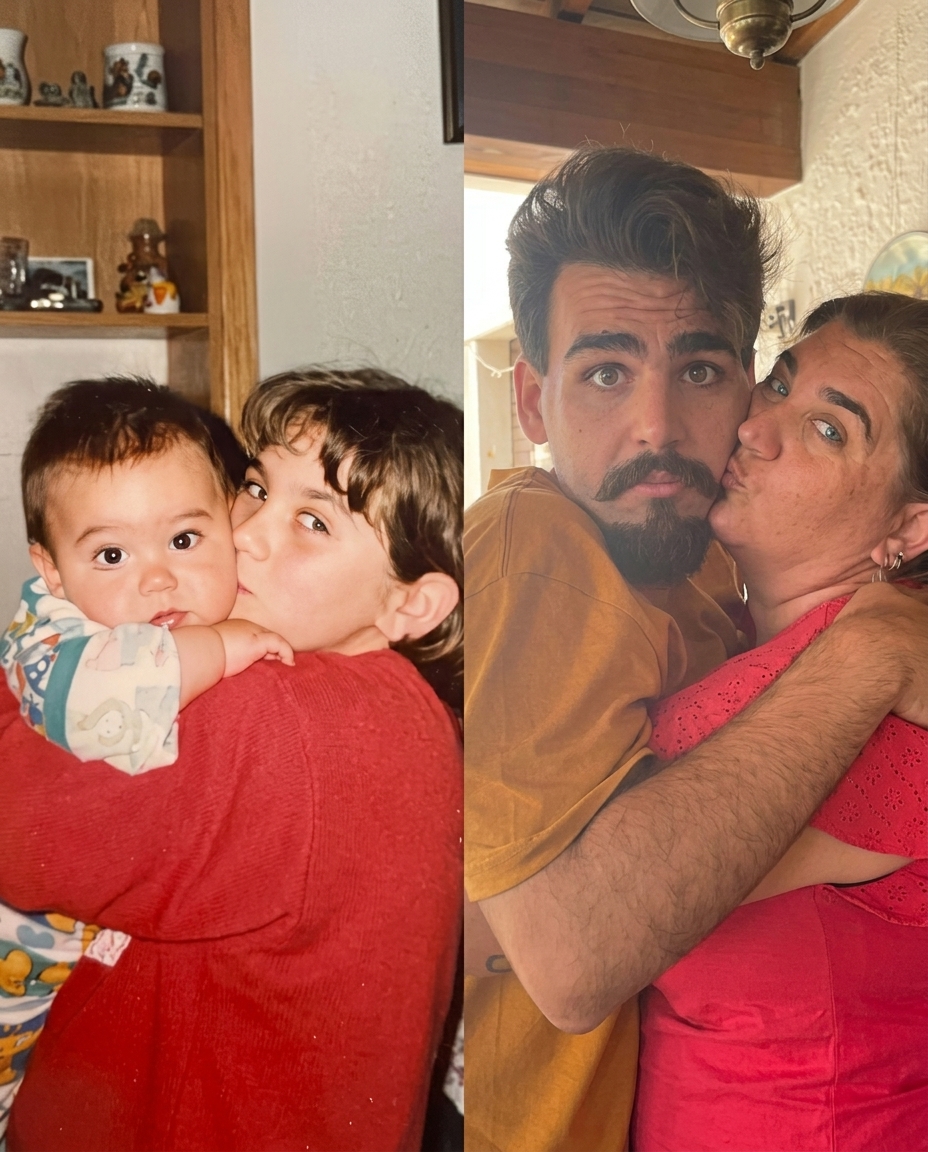
For Vito and Caterina, the experience was chilling. At three, Ignazio hadn’t been taught a single note of music. Sheet music was foreign to him, and no one in the house had been playing opera. It was as if the music of the Italian masters had been hard-coded into his DNA, waiting for the right moment to pour out. They stood in that hallway, frozen, gripped by the realization that their son was carrying a gift that bypassed the laws of practice and age.
This wasn’t a passing whim of childhood play. The “voice” stayed. As Ignazio grew, so did the magnitude of his talent. By the time he reached the age of 14, the secret of the hallway was out. He appeared on the Italian talent show Ti lascio una canzone, where his chemistry with two other young singers—Piero Barone and Gianluca Ginoble—would eventually birth the global phenomenon known as Il Volo.
By 16, the boy who once sang Verdi to his stuffed animals was signing contracts with major American record labels. By 20, he was a veteran of the road, selling out iconic venues like the Radio City Music Hall and the Arena di Verona. To the world, he was a powerhouse tenor with a charm that bridged the gap between classical opera and modern pop. But to his parents, the platinum records and world tours were secondary to the memory of that small house in Marsala.
Vito and Caterina didn’t see a superstar; they saw the miracle they had vowed to protect. They understood early on that a gift this profound was a heavy burden for a child to carry. They became the guardians of his spirit, ensuring that while the world demanded his voice, his heart remained rooted in the Sicilian soil where it all began.
Today, when Ignazio Boschetto stands under the spotlight, his voice filling stadiums across four continents, there is a depth to his performance that feels ancient. Music fans often wonder how a young man can sing with such lived-in soul. The answer lies back in that Sicilian hallway. It reminds us that sometimes, genius doesn’t wait for an invitation—it simply arrives, full-voiced and fearless, through a bedroom door.