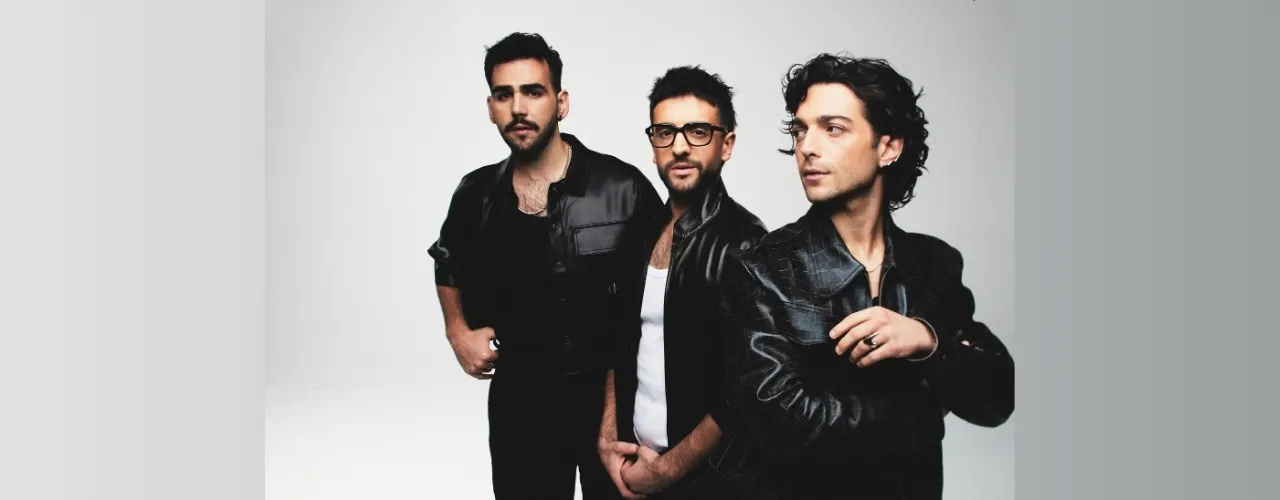
For a group known for filling grand theaters and commanding massive stages, Il Volo made a surprising choice: they stepped away from it all.
No sweeping venue. No dramatic lighting design. No orchestra behind them. Instead, Piero Barone, Ignazio Boschetto, and Gianluca Ginoble gathered in a quiet, unassuming room with only a handful of cameras capturing the moment. It was a setting that, at first glance, felt almost too simple for voices of their scale.
But that was precisely the point.
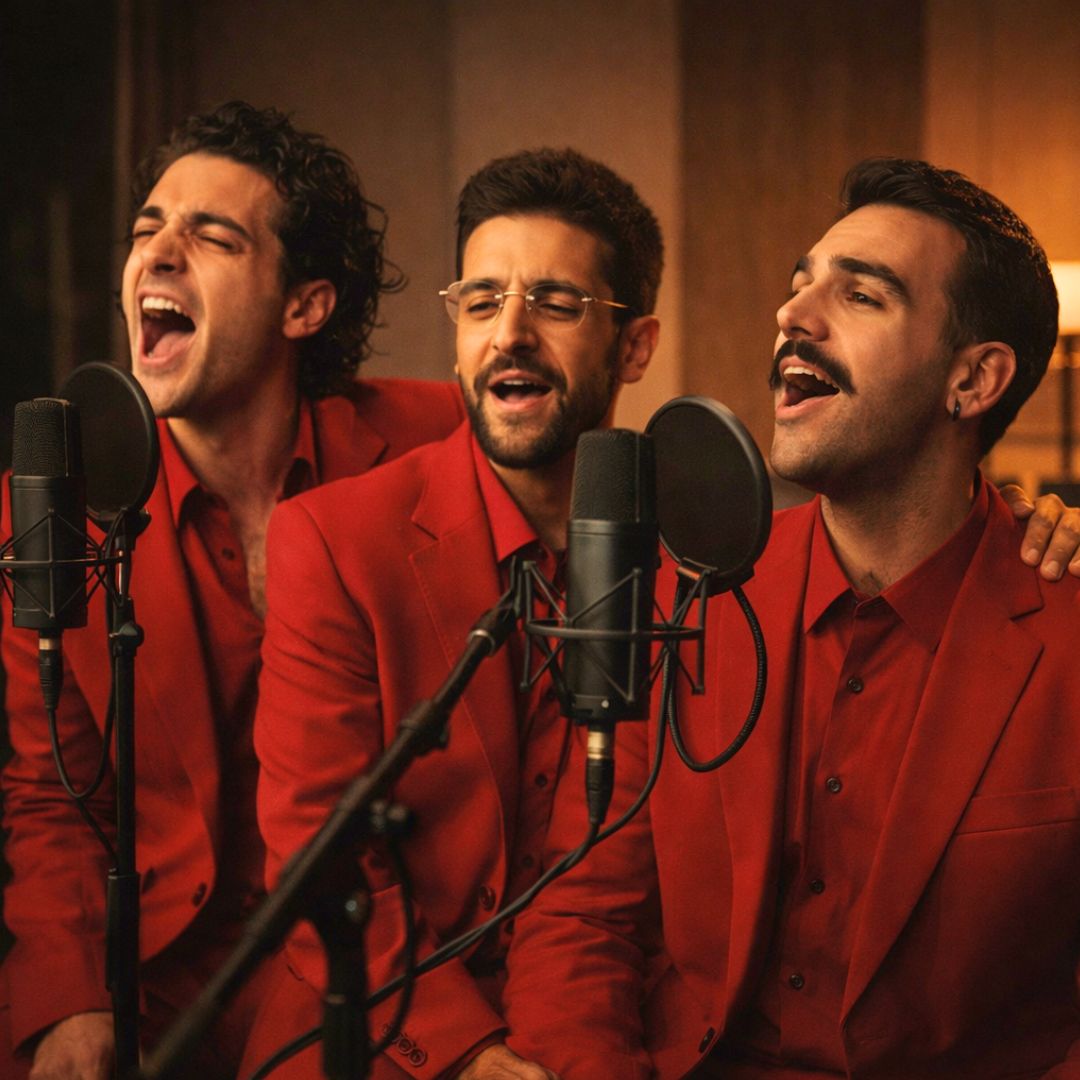
From the first notes, it became clear that nothing else was needed. When they began singing Grande Amore, the absence of spectacle didn’t feel like a limitation—it felt like clarity. Every harmony, every breath, every shift in tone came through with striking immediacy. The same held true as they moved into ‘O Sole Mio and the operatic intensity of Nessun Dorma.
These are songs built for vast spaces, for echoing halls and orchestral support. Yet here they were, unfolding in a stripped-down environment, carried solely by the strength of three voices. Without elaborate arrangements or production layers, the focus sharpened. The listener wasn’t guided by visuals or staging—they were drawn in by sound alone.
What made the performance especially compelling was its honesty. There were no visible safety nets—no heavy editing, no effects to smooth over imperfections. Each note stood on its own. And in that vulnerability, there was a kind of confidence. Il Volo didn’t need to prove anything; they simply needed to sing.
For viewers, the experience shifts quickly from observation to immersion. The usual distance between performer and audience fades. Instead of watching from afar, it feels as though you’ve been invited into the room itself. The camera doesn’t distract—it quietly reinforces the intimacy, offering close glimpses of expressions and subtle cues between the singers.
Moments like these reveal something essential about Il Volo’s appeal. While they are often associated with grandeur and theatricality, their foundation has always been vocal connection. Strip everything else away, and that foundation becomes impossible to ignore.
One of the most talked-about points in the performance arrives near the end, when Ignazio sustains a powerful note that seems to stretch beyond expectation. It’s not just technically impressive—it’s emotionally charged, a culmination of everything the trio has built throughout the session. There’s a stillness in that moment, as if time briefly pauses to let the sound fully resonate.
In an era where live performances are often defined by scale and production value, this approach feels almost radical. It suggests that, sometimes, less truly can offer more—that a quiet room can hold as much power as any stage, if the music is strong enough.
Il Volo’s choice wasn’t about rejecting spectacle altogether. It was about reminding listeners where the real impact begins. And in doing so, they created something that doesn’t just sound impressive—it feels immediate, personal, and enduring.