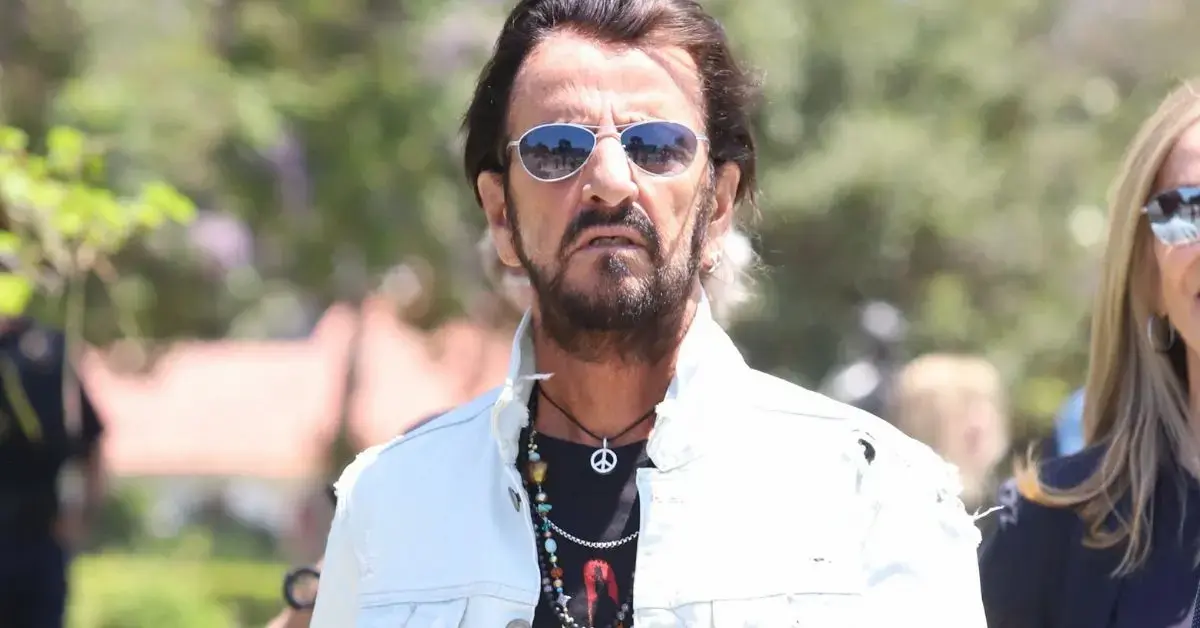
In the world of popular music, few names carry as much historical weight as Ringo Starr. As the drummer of The Beatles, his contributions are permanently embedded in some of the most influential recordings ever made. But like many long-career artists, Starr’s history also includes studio sessions, alternate takes, and experimental recordings that never reached official release.

Over the years, fans and collectors have occasionally speculated about rare or unheard material—songs recorded during informal sessions, abandoned projects, or studio experiments that were set aside during production. In most cases, these recordings are not “hidden” in the dramatic sense often suggested online. Instead, they are part of a broader reality of music creation: not everything recorded is intended for release.
In professional recording environments, especially during the 1960s and 1970s, artists often produced far more material than what ultimately appeared on albums. Songs could be cut for pacing, thematic consistency, or simply because they didn’t fit the direction of a project. Members of The Beatles, including Starr, participated in countless such sessions, many of which have been documented over time through archives and later releases.

This is where modern storytelling often blurs the line between fact and speculation. The idea of a “lost song” or “secret recording” is compelling because it suggests something hidden just beneath the surface of known history. It invites curiosity: what else might exist that fans haven’t heard?
However, there is a clear distinction between unreleased material and intentionally suppressed content. In Starr’s case, there is no confirmed record of a deliberately concealed song withheld from the public for extraordinary reasons. Most known unreleased material from The Beatles era has either surfaced through official reissues, archival projects, or widely documented bootlegs over the decades.

Still, the fascination remains understandable. Part of what makes The Beatles—and each member’s solo career—so heavily studied is the sheer volume of recorded output. Studio experimentation was constant, and not every idea was meant to become a finished product. That creative overflow naturally fuels curiosity long after the sessions end.
It also reflects something broader about music culture. Fans often imagine unseen layers of artistic history, especially when it comes to iconic figures. The possibility of “lost” or “hidden” work becomes a kind of mythology—one that grows over time through repetition, reinterpretation, and online storytelling.

In reality, the more grounded truth is often less mysterious but equally interesting: artists record, experiment, discard, refine, and move forward. What remains is a curated version of their work, shaped by artistic decisions rather than secrecy.
So while stories about a hidden Ringo Starr recording may circulate, the confirmed history tells a different story—one of prolific creativity, much of which has already been shared, and some of which simply never left the studio.
And sometimes, that is mystery enough.