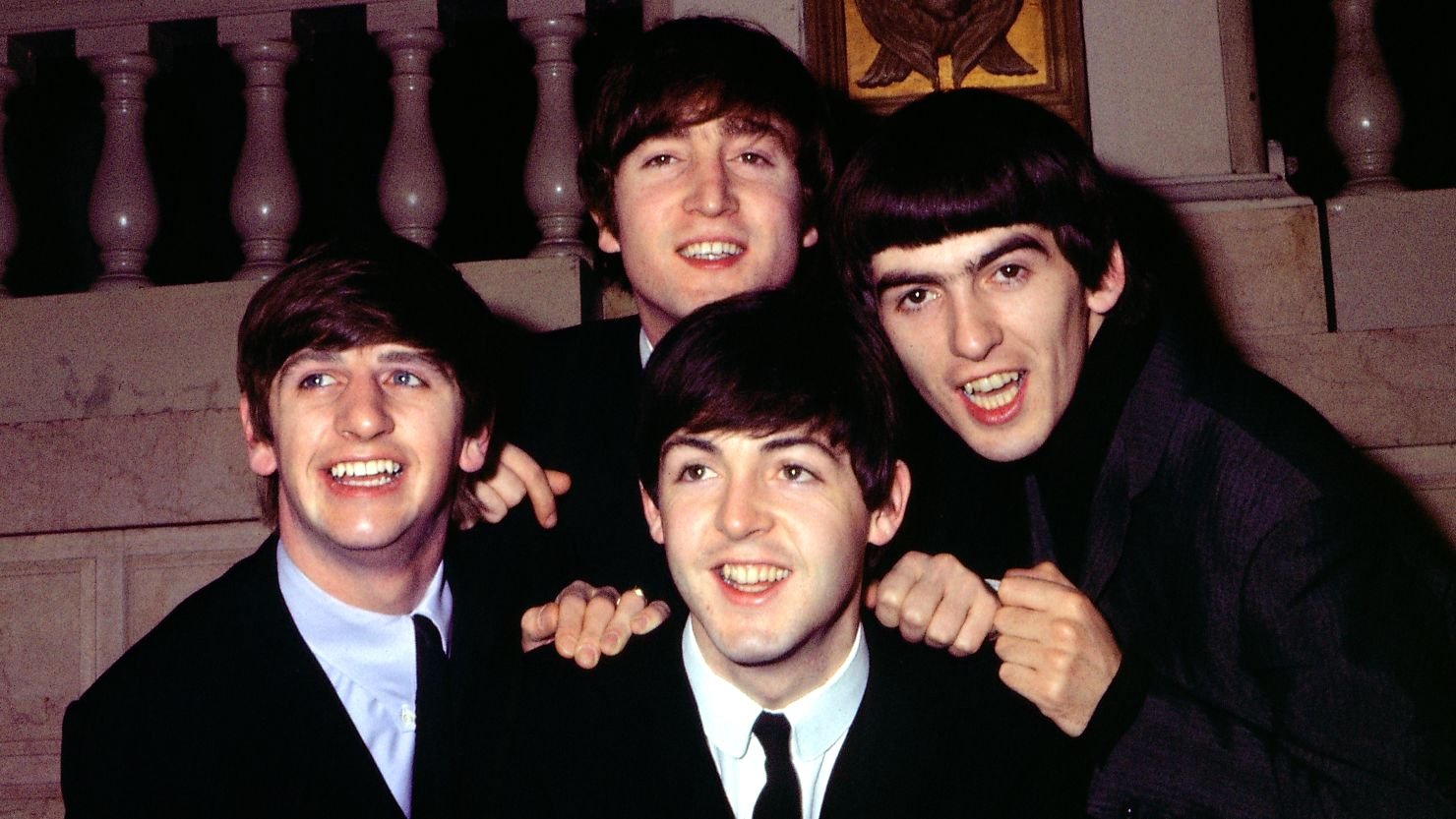
The Long and Winding Road to Forever: Why the Beatles Never Left the Room

beatle

In the winter of 1964, a localized phenomenon from Liverpool turned into a global permanent fixture. But to speak of The Beatles today in 2026 isn’t just a lesson in nostalgia; it is a study of how four individuals managed to bottle the human experience into three-minute melodies. We often get lost in the “Beatlemania” of it all—the screaming fans, the mop-tops, and the black-and-white footage—but if you strip away the roar of the crowd, you’re left with something much more quiet and profound: connection.

How the Beatles Launched a String-Playing Revolution | Strings Magazine

The journey of The Beatles is the ultimate story of metamorphosis. In the beginning, they were the masters of the three-chord adrenaline rush. Songs like “She Loves You” were explosions of youthful joy. Yet, unlike so many who find a winning formula and cling to it until the ink runs dry, John, Paul, George, and Ringo chose to grow up in public. They traded the matching suits for psychedelic tapestries and, eventually, for the raw, stripped-back honesty found in their final years.

Think of the shift from the jangly optimism of their early work to the haunting, cinematic sweep of Abbey Road. When you listen to “Something,” you aren’t just hearing a love song; you’re hearing George Harrison find a lyrical maturity that paved the way for every singer-songwriter who followed. They took the genre of “pop” and stretched its walls until it could contain orchestras, Indian sitars, and avant-garde tape loops. They proved that a rock band could be as sophisticated as a symphony and as intimate as a diary entry.

However, their true legacy isn’t found in their experimentation alone. It’s found in the “quiet moments.” It is the solitary acoustic guitar in “Yesterday,” a song so simple it feels like it has existed since the beginning of time. It is the meditative, cosmic drift of “Across the Universe,” where John Lennon’s lyrics become a mantra for the soul. These songs work because they don’t strive for technical perfection; they strive for emotional truth. They are honest, often melancholic, and deeply human.
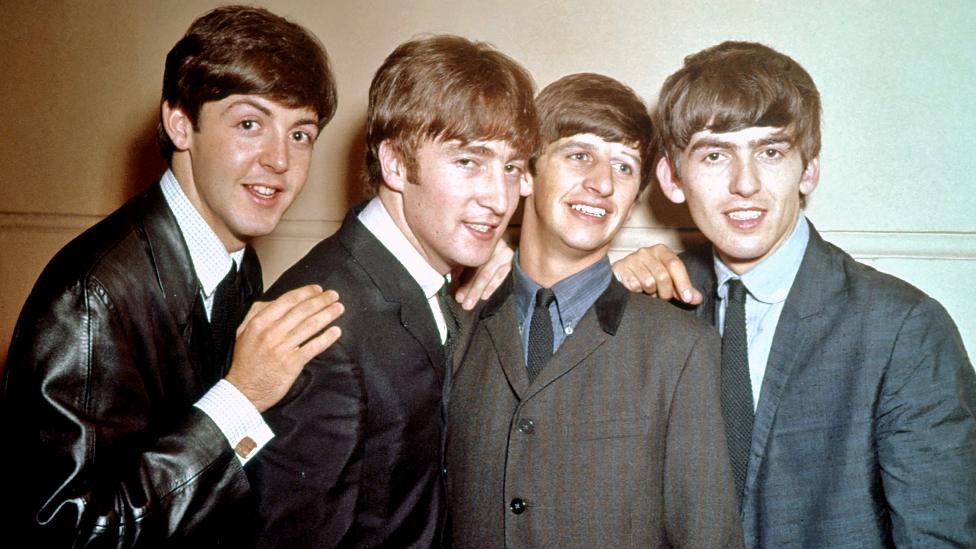
The Beatles' last song Now And Then is finally released - BBC News

The Beatles taught us that music could be the glue for a generation. They provided the soundtrack for a world in flux, offering a sense of identity to people who were looking for something to believe in. Today, that glue hasn’t lost its grip. You can walk into a café in Tokyo, a record shop in London, or a high school bedroom in New York, and you will hear those same harmonies. A teenager discovering Sgt. Pepper today feels the same rush of wonder that a listener felt in 1967.

That is the definition of a legacy. It isn’t a museum piece gathered in dust; it is a living, breathing entity. The Beatles didn’t just walk across a zebra crossing on a London street; they walked into the collective consciousness of humanity and decided to stay. As long as there is someone looking for comfort in a melody or a reason to sing along with a stranger, their music will be playing.

0 Shares:
Leave a Reply

Your email address will not be published. Required fields are marked *

You May Also Like
paul-mccartney
Read More

NETFLIX REVEALS PAUL McCARTNEY DOCUMENTARY — AND THE WORLD IS ALREADY TALKING Netflix has officially dropped the first trailer for “Paul McCartney: The Songs That Shaped a Lifetime”, and within moments, it sent ripples through the global music community. From the opening seconds, it’s clear this is far more than a standard career retrospective. The film offers an intimate, visually rich exploration of Paul McCartney — an artist whose songs didn’t just top charts, but quietly became the emotional soundtrack of everyday life. Tracing his journey from modest Liverpool roots to world-changing stages with The Beatles and beyond, the documentary focuses on instinct, vulnerability, and creative courage. Rare footage and deeply personal reflections reveal moments of doubt, risk, and inspiration that shaped music history. Early reactions suggest this film uncovers chapters of McCartney’s life never fully explored — moments that may reshape how his legacy is understood. This isn’t just something you’ll watch. 👉 It’s something you’ll feel. Discover the full story in the first comment 👇

PAUL MCCARTNEY AND THE DOCUMENTARY THAT REMINDS THE WORLD WHY HIS MUSIC STILL MATTERS When Netflix released the…
AC
Read More

The night began like any other rock show, but when AC/DC joined forces with The Rolling Stones for “Rock Me Baby,” the stage detonated into something no one thought possible — Angus Young’s guitar screamed like lightning ripping through steel while Mick Jagger prowled the mic like a wild animal set free; Keith Richards locked riffs with Malcolm Young until the arena shook like an earthquake, and when Brian Johnson howled beside Jagger, fans swore it felt like two volcanoes erupting at once; the crowd lost their voices, strangers hugged in disbelief, and critics gasped that it was “rock’s ultimate collision”; social media lit up calling it “a once-in-history detonation,” and as the final chord thundered, one truth echoed louder than the amplifiers — this wasn’t just a jam, it was the night rock ’n’ roll crowned itself king all over again.

When AC/DC Met The Rolling Stones: The Night Rock Crowned Itself King The night began like any other…
paul
Read More

George Harrison didn’t just write a song—he loaded it like a weapon and aimed it straight at Paul McCartney. By the time The Beatles were nearing their breaking point, the tension wasn’t just behind the scenes—it was in every note, every lyric, every glare exchanged in the studio. What once felt like brotherhood had turned into a battlefield, and the music that used to bring them together was now tearing them apart. Harrison, long overshadowed and quietly simmering with frustration, finally let his anger spill into his work. His song wasn’t just music—it was a message, a sharp jab at McCartney that fans and bandmates alike couldn’t ignore. What had started as harmony had now become open fire, and Harrison wasn’t afraid to pull the trigger.

By the time The Beatles reached their final years, the tension within the band was impossible to overlook.…