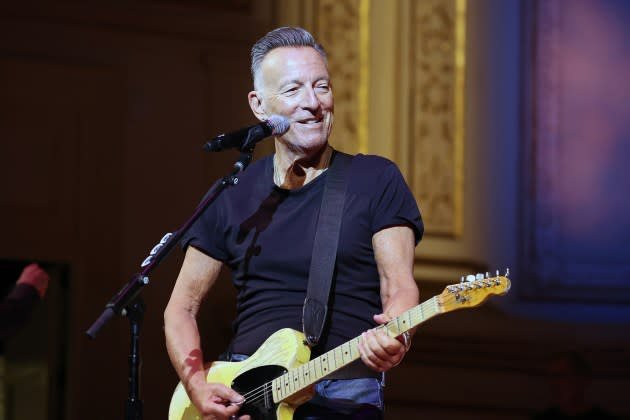
In the spring of 2026, the American touring landscape has become a mirror of the country itself: divided, passionate, and increasingly unpredictable. On one side, you have Bruce Springsteen and the E Street Band, currently sweeping through the nation on their “Land of Hope and Dreams” tour. On the other, Kid Rock’s ambitious “Rock the Country” festival, which was marketed as a “Freedom” celebration for the heartland.
The numbers tell a compelling story. Springsteen’s 20-date run, which kicked off in Minneapolis this March, has seen tickets disappear in minutes—despite some fan outcry over dynamic pricing that saw top-tier seats reach eye-watering figures. The Boss has leaned into his role as a unifying storyteller, weaving a setlist that addresses “our sacred American dream” with a blend of hope and grit. For Springsteen, the momentum isn’t just about nostalgia; it’s about a shared sense of purpose that his audience is clearly willing to pay for.

Contrast this with the recent headlines coming out of Kid Rock’s camp. Earlier this year, the “Rock the Country” festival suffered a major blow when its South Carolina date was officially canceled. The collapse followed a mass exodus of talent; high-profile acts like Shinedown, Creed, Ludacris, and Jelly Roll pulled out of the lineup, with some citing a desire to “unite audiences” rather than participate in an event increasingly branded by critics as a “MAGA festival.”
The fallout hasn’t just been limited to the lineup. In a move that has sparked both mockery and frustration from early buyers, organizers recently slashed ticket prices for remaining dates by up to 50%. While the official reason cited “rising gas prices” to help out working-class fans, industry analysts suggest the move was a desperate attempt to fix lackluster sales, with some venues reportedly having sold only a tiny fraction of their capacity.

So, is this “Karma” or just a marketing misfire? The reality is likely deeper. Springsteen has managed to maintain a “legacy” status that transcends the daily political cycle, even while being vocally political himself. Kid Rock, conversely, has built his modern brand entirely around the cultural divide. When that divide leads to artist withdrawals and a “brand” that feels too narrow for a massive festival circuit, the bottom line suffers.
As Springsteen prepares for his massive finale at Nationals Park this May, and Kid Rock fights to keep his remaining dates afloat, the lesson for the industry is clear: in 2026, music can still move millions—but only if the message doesn’t leave half the audience behind.